
Vandaag of morgen in huis

Kwaliteit gegarandeerd

Welkomstaanbiedingen ontgrendelen: GRATIS bezorging | Tot 80% korting | Gratis 30 dagen JoyPlus-proefperiode
Download de app
A pre-workout supplement can be useful if you want to choose a targeted source of caffeine, creatine, citrulline or beta-alanine before exercising, or simply prefer a convenient format. However, there’s a wide range to choose from, and product claims aren’t always easy to compare. Eye-catching packaging or a long ingredients list won’t, on its own, tell you whether a product is right for your training.
So the key question isn’t which product makes the biggest promises, but which formula, dosage and format suit the way you use it.
A product may contain citrulline, creatine and beta-alanine, but the amount per serving can vary considerably. Always compare the dosage per recommended serving. An ingredient near the bottom of the list may be present in only a small amount.
A caffeine-containing pre-workout is often taken alongside coffee, energy drinks or caffeine tablets. This can cause your total intake to creep up without you realising. For example, products in this guide contain 100, 130, 150, 175 or 200 mg of caffeine per serving. Also check the guidance on taking them close to bedtime.
A pre-workout powder is usually easy to adjust by adding more or less water. A pre-workout shot, gel or tablet is quicker to use, but the dosage is often fixed. That’s handy when you’re on the go, but less flexible if you want to start cautiously.
Choose a caffeinated pre-workout if you deliberately want to use a stimulant before training. According to the product information, Optimum Nutrition Gold Standard Pre-Workout contains 175 mg of caffeine per 11-gram serving. C4 Original contains 150 mg per recommended serving, while Lucovitaal Pre-Workout lists 150 mg per daily dose of 10 grams.
A caffeine-free pre-workout may be a better choice for training later in the day or if you want to avoid caffeine. According to the label, Applied Nutrition ABE Pump Stim Free contains no caffeine.
Please note: caffeine sensitivity varies from person to person. Follow the recommended dosage and don’t combine several stimulant products without careful consideration. Caffeine-containing supplements are not intended for children and are generally not recommended during pregnancy or breastfeeding. If you take medication or have a medical condition, it’s sensible to speak to a doctor or pharmacist.
Powder is a good choice if you can make a shake at home or at the gym. Check the seal, as moisture can cause clumping. A shot or gel is ready to use, but often contains a fixed amount of caffeine. With powder, also check whether one scoop is the recommended serving. According to the product information, one scoop of Jack3d is 7 or 8 grams, depending on the version, and the recommended amount can be up to three scoops. More scoops also mean more caffeine.
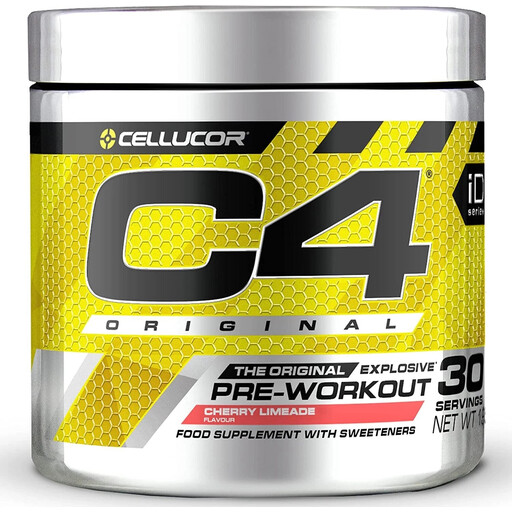
Why it suits this profile: A straightforward powder formula with one recommended scoop and 150 mg of caffeine per serving. This makes it easy to keep track of how much you’re taking when you’re starting out with a strength-training supplement.
The product information lists the amount of each ingredient per serving: 150 mg of caffeine, 1,600 mg of beta-alanine and 1,500 mg of creatine monohydrate.
30 servings, easy to mix with water and available in a familiar powder format.
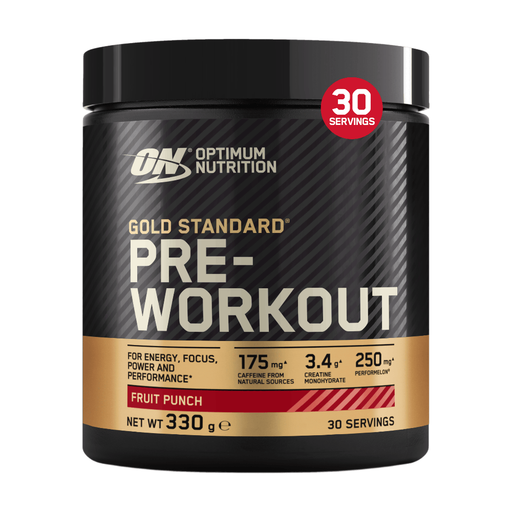
Why it suits this profile: A multi-ingredient formula for adults who want to compare caffeine, creatine and other additional ingredients in a set serving.
The formula lists the amounts per serving of ingredients including creatine, beta-alanine, citrulline and caffeine, rather than simply referring to a general blend.
3 grams of creatine per serving, 175 mg of caffeine and around 30 servings per pack.
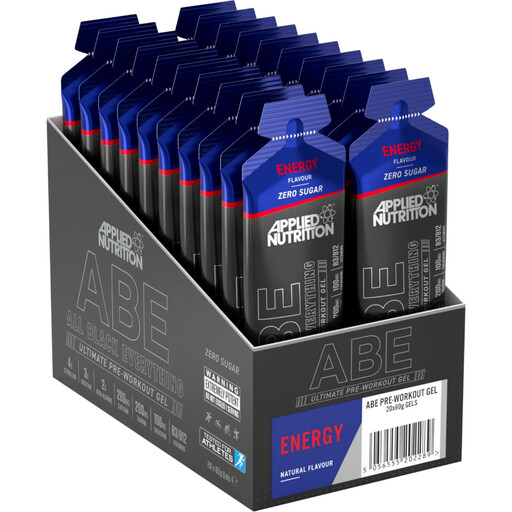
Why it suits this profile: A ready-to-use, single serving for adults who don’t want to use a shaker or measuring scoop before an intense workout.
Each sachet contains a set amount: 200 mg of caffeine, 4 grams of citrulline malate, 3 grams of creatine monohydrate and 2 grams of beta-alanine.
Ready to use, compact format and one gel as the maximum daily amount according to the product information.
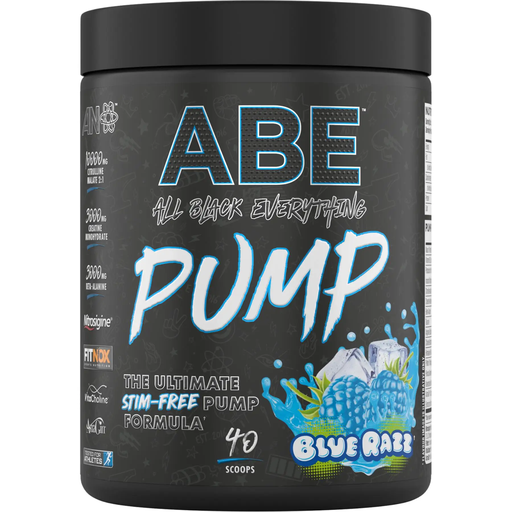
Why it suits this profile: A caffeine-free pre-workout powder for adults who want to train in the evening or avoid caffeine around their workout.
The product description explicitly states that the formula is caffeine-free. So you don’t have to search through a multi-ingredient list to check for caffeine.
Contains citrulline malate, beta-alanine, creatine and taurine; 3 grams of creatine in 25 grams of product per day.
We’ve put together a complete, up-to-date list of products that meet these strict selection criteria and comply with current European safety regulations.
When trying a new product, start with the lowest recommended amount, if the label allows. As a general rule, take a caffeine-containing product 20 to 30 minutes before training, unless the packaging says otherwise. A shot or gel is often taken around 15 minutes beforehand.
Keep powder tightly sealed and store it in a cool, dry place. Moisture can cause clumping. Always check the current packaging for ingredients, allergens, the best-before date and warnings. A supplement is no substitute for a varied diet and healthy lifestyle.
It depends on the ingredients, your sensitivity to caffeine and when you take it. Product information usually suggests when to take the supplement, but doesn’t guarantee a set duration of effect. If it contains caffeine, bear your sleep and total daily intake in mind.
Not necessarily. Creatine can be part of a pre-workout, but you can take it separately too. Focus on comparing the amount per daily serving. Some versions list 3 grams of creatine, while other products contain considerably less.
Powder gives you more control over the amount of water and sometimes the serving size. A pre-workout shot or pre-workout gel is quicker and easier to take on the go, but has a fixed dosage. Choose the format that suits your training routine, and always check the caffeine content.
