
Vandaag of morgen in huis

Kwaliteit gegarandeerd

Welkomstaanbiedingen ontgrendelen: GRATIS bezorging | Tot 80% korting | Gratis 30 dagen JoyPlus-proefperiode
Download de app
A packet of prawn-flavoured instant noodles may seem easy to choose. However, products vary considerably in serving size, spice level, preparation method, allergens and pack size. An attractive image of prawns also does not automatically mean that the product contains a large amount of prawns. The flavour often comes from herbs and spices, fish extract, prawn powder or flavourings.
For a quick meal, an office snack or supplies for a student house, three pitfalls are particularly important: looking at the front instead of the ingredients list, underestimating the amount per serving and buying a multipack without checking the shelf life or storage requirements.
Products with names such as seafood ramen, shrimp ramen or prawn noodles may contain a variety of ingredients. These can include prawn powder, shellfish extract, fish, squid, mussels or flavourings. For example, the product information for MAMA Shrimp Tom Yum lists prawn powder and dried prawns, among other ingredients. Nongshim Seafood Ramyun lists squid, crab, fish, prawns and seaweed in its ingredients.
A brand’s own research may describe a product as flavoursome or authentic. That is not an objective guarantee of the quantity of seafood. Therefore, check the quantitative ingredients declaration and see whether a percentage for prawns or seafood is stated.
A 55 or 60 gram pack is practical as a snack, but may be less filling for some people than a 90, 108, 125 or 127 gram serving. Do not just look at the number of packets; also check the net weight per serving.
A bowl or cup is convenient at the office or when travelling, as you only need hot water. A packet usually offers more flexibility: you can prepare it in a pan and add your own vegetables, egg or tofu.
A box containing 20, 24 or 30 packets is practical for a household, office, restaurant or Asian supermarket. However, check:
A multipack makes most sense when you already know that you like the flavour. For a first purchase, a single pack or smaller bundle can help you avoid unnecessary stock.
Check whether the product is prepared in a pan, bowl or cup. According to the product description, MAMA Shrimp Tom Yum uses approximately 400 ml of water and takes around three minutes to prepare. The amount of water may differ for other products. Always follow the instructions on the current packaging.
Also consider the type of noodle. Korean ramen is often somewhat thicker and firmer, while some Thai instant noodles are thinner and soften more quickly. Nongshim Tempura Udon is known, for example, for its thicker udon-style noodles; the product information mentions a savoury broth and tempura elements.
Not every seafood-flavoured instant noodle tastes the same. Broadly speaking, you can choose from:
Spice levels are not always shown using one standard European scale. Therefore, look for words such as spicy, chilli, hot or Tom Yum and check the ingredients.
Crustaceans, fish, molluscs, soya, milk and wheat are frequently found in this product category. Under European labelling rules, relevant allergens must be clearly indicated in the ingredients list. Check the label again whenever you have an allergy or intolerance, as recipes and packaging may change.
Also pay attention to the salt content per 100 grams and per serving. The nutritional value of instant noodles is sometimes shown per 100 grams, even though one packet weighs more. Therefore, compare products on the same basis. Use only the information on the current packaging as a guide.
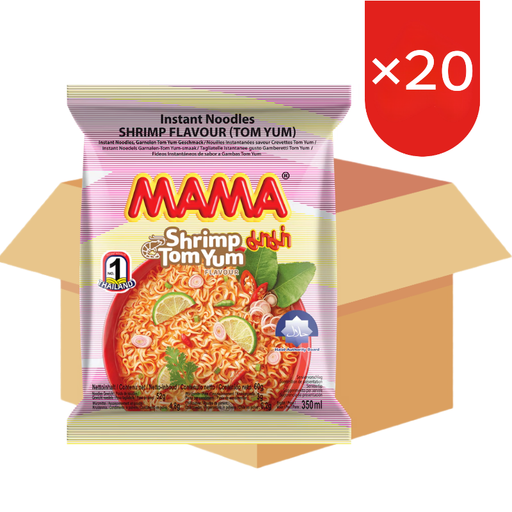
Why this suits the profile: A box with 20 90-gram servings is suitable for anyone who regularly eats Thai instant noodles and wants to buy by the serving. The product description states that preparation takes approximately three minutes.
The total number of servings and the weight are clearly stated. However, check the best-before date and allergens on the box before buying.
20 individual servings, Thai Tom Yum flavour and preparation with approximately 400 ml of water.
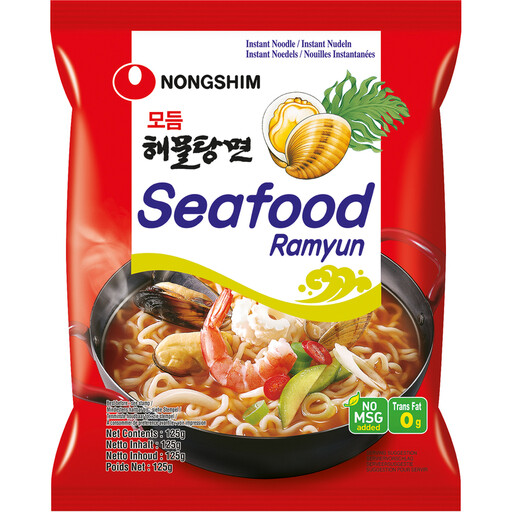
Why this suits the profile: This Korean ramen has a 125-gram serving and, according to the product information, combines seafood, vegetables and a spicy soup base.
The product information names several types of seafood and vegetable flakes. Read the allergen list carefully, as the product may contain fish, soya and crustaceans, among other allergens.
125 grams per pack, Korean seafood flavour and a combination of noodles, soup seasoning and dried ingredients.
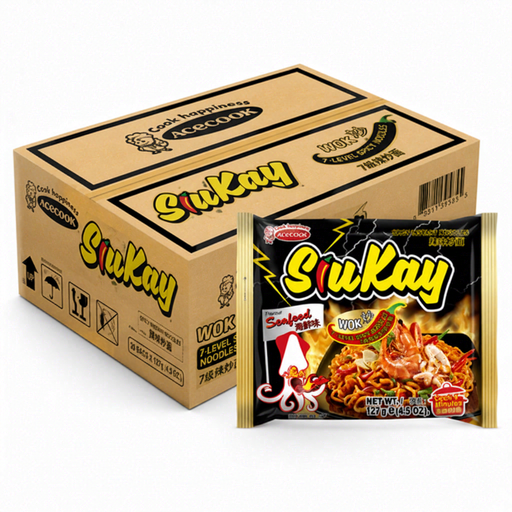
Why this suits the profile: The box contains 24 packs of 127 grams, making it suitable for offices, catering businesses, families with several users and business stock.
The weight per packet and the total weight of 3,048 kg are stated. The spicy seafood blend is clearly indicated in advance, so you will not accidentally choose a mild flavour.
24 individual servings, 127 grams per pack and a seafood flavour that, according to the product description, includes prawn, fish and squid extract.
We have put together a complete, up-to-date list of products that fully meet these strict selection criteria and the applicable European safety regulations.
Choose a single pack if you want to try a new flavour or occasionally fancy a quick snack. A multipack of instant noodles is better suited to regular use, shared supplies or resale. For a creamy Thai flavour, look at MAMA Creamy Shrimp Tom Yum; for a spicier Korean profile, Nongshim Seafood Ramyun or other Korean ramen are logical choices.
If you want to make the meal more substantial, add fresh spring onion, pak choi, sweetcorn, an egg or tofu. If you want to adjust the intensity, it is best to start by adding only some of the seasoning sachet. Before eating, always check the preparation instructions, allergens and best-before information on the product itself.
This varies by product. Many varieties are prepared with approximately 360 to 500 ml of boiling water and take three to four minutes. Some packets need to be cooked in a pan. Follow the instructions on the packaging and add the seasoning as directed.
The shelf life is stated on the packaging, often on the packet, lid or bottom of the box. Store the noodles in a cool, dry place away from direct sunlight. Do not use damaged packaging and check multipacks on delivery.
Not always. Standard shrimp ramen can be mild to savoury, while Tom Yum noodles, seafood spicy varieties and some Korean ramen are noticeably hotter. Check for words such as chilli, spicy, hot and Tom Yum in the product name and ingredients list.
