
Vandaag of morgen in huis

Kwaliteit gegarandeerd

Welkomstaanbiedingen ontgrendelen: GRATIS bezorging | Tot 80% korting | Gratis 30 dagen JoyPlus-proefperiode
Download de app
A bag of prawn dumplings may seem simple to choose, but the differences between ha kau, gyoza and other Asian dumplings are significant. One variety is designed for steaming, while another is intended for frying. The proportion of prawn, the number of pieces and the allergens also vary.
If you focus only on attractive packaging or a low price, you could end up with dumplings that stick together, contain too little filling or are unsuitable for your planned cooking method. Use the checks below to compare frozen prawn dumplings based on practical, verifiable information.
Ha kau, also written as har gow, is a Cantonese dim sum with an often translucent wrapper. This variety is usually steamed. Prawn gyoza generally has a firmer wheat-based wrapper and can be fried, steamed or deep-fried.
A product labelled “shrimp dumplings” can therefore refer to different styles. Always check the cooking instructions. “Do not thaw” is important: many frozen dumplings can be cooked straight from the freezer.
Compare the stated prawn content, not just the net weight. In the available product information, this proportion ranges from 17.2% to 45%, depending on the recipe and product type. Some dumplings also contain fish, pork fat, vegetables or breadcrumbs.
As a result, an 800-gram pack may have a different ratio of wrapper to filling than a 500-gram pack. Also check the number of pieces and, if necessary, calculate the weight per dumpling.
Prawn dim sum often contains more allergens than just crustaceans. Possible ingredients include wheat, gluten, soya, sesame, egg and fish. If you have an allergy or are cooking for someone who does, check the complete product packaging before buying. Online product information is useful for an initial comparison, but the label on the packaging remains the definitive source.
Frozen products should be stored at -18 °C or below, unless the label gives different instructions. According to the supplied product information, thawed dumplings must not be refrozen.
For a clear comparison, look at:
A higher prawn content is no guarantee of a flavour everyone will enjoy, but it does provide an objective point of comparison. With prawn dim sum, the texture may also differ from gyoza with a vegetable filling.
A crystal wrapper is often made from wheat starch and tapioca starch. The wrapper may become translucent when steamed. Gyoza usually uses wheat flour and has a more familiar, slightly firmer dumpling wrapper.
If you want soft, steamed prawn dumplings for a dim sum meal, look for ha kau or crystal shrimp dumplings. For a crispy exterior, gyoza are more suitable, especially when the packaging recommends pan-frying.
Pay attention to the time, temperature and equipment you need:
A 400–500-gram pack is suitable for a snack, side dish or light meal. For a family, stock cupboard or regular use, packs of 800 grams to 1 kilogram are more practical. Check beforehand that you have enough space in the freezer.
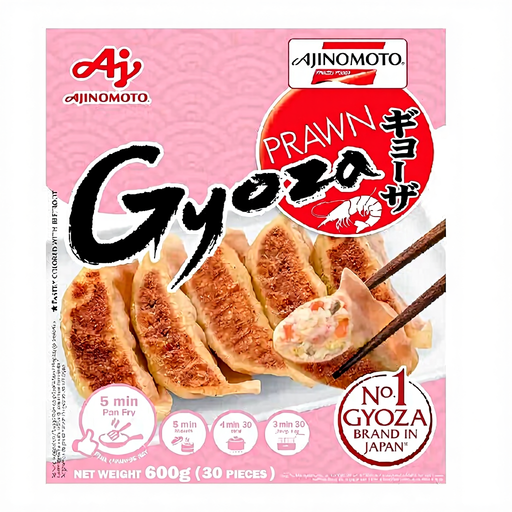
Why it suits this profile: The pack contains 30 pieces and weighs 600 grams. This makes it a straightforward choice for trying prawn gyoza as a snack, side dish or quick meal.
The number of pieces and net weight are clearly stated. The product information specifies 27% peeled prawn and provides cooking and storage instructions.
30 pieces per pack; filling with prawn and vegetables; suitable as a meal or snack.
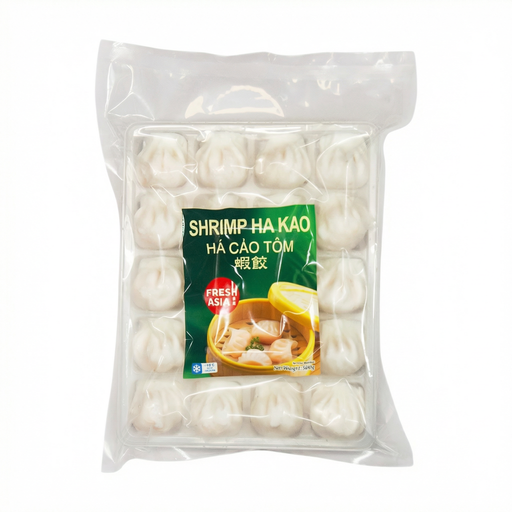
Why it suits this profile: This ha kau is designed for steamed Cantonese dim sum. The product information states 37.13% prawn and a cooking time of 8–10 minutes from frozen.
The product description specifies the prawn content, allergens and the need to cook thoroughly. This means you do not have to rely on the imagery on the packaging.
37.13% prawn; steam without thawing; 500 grams per pack.
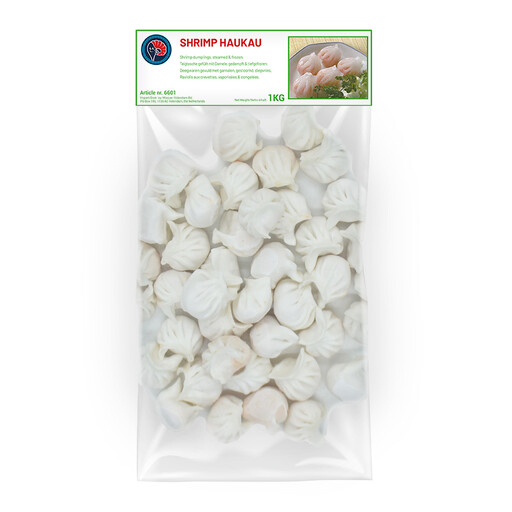
Why it suits this profile: The 1 kg IQF pack is designed for larger households, dim sum tables or regular use. IQF means that the dumplings have been individually quick frozen.
The large pack size means you do not need several small bags for multiple diners. However, check the available freezer space beforehand.
1 kg per pack; IQF pack; designed for steaming.
Use a steamer basket lined with baking paper or a suitable liner, and leave space between the dumplings. This reduces the risk of the wrappers sticking together. Steam frozen ha kau for around 8–10 minutes, but always follow the instructions for the specific product.
Gyoza can often be cooked in a frying pan with a small amount of oil and water. KHY Shrimp Gyoza 500 g states that it can be fried, deep-fried and steamed from frozen. When there are differences, always use the packaging as your guide.
Do not leave frozen dumplings at room temperature for extended periods. Store opened packs tightly sealed at the stated freezer temperature, and do not refreeze thawed products.
We have compiled a complete, up-to-date list of products that fully meet these strict selection criteria and the applicable European safety regulations.
Most ha kau and crystal dumplings can be cooked straight from the freezer in a steamer basket. Allow around 7–10 minutes, depending on the size and product. Gyoza can also be cooked in a pan, deep fryer or sometimes in the microwave. Follow the instructions on the label.
Store them unopened at -18 °C or below until the date on the packaging. After thawing, they must be kept chilled and eaten within the stated period. Do not refreeze thawed products.
That depends on the portion and ingredients. Dumplings are practical as a snack, lunch or part of a dim sum table. For a more substantial meal, serve them with vegetables, noodles or soup, and check the nutritional values and salt content per 100 grams.
