
Same-day & Next-day Delivery

Quality Guaranteed

Unlock Your Welcome Offers: FREE Delivery | Up to 80% OFF | Free 30-day JoyPlus trial
Download the APP
Prawn dumplings are a quick way to serve dim sum, a snack or a light meal. In the frozen food aisle, you’ll find various types, from translucent ha kau and hakau to prawn gyoza with vegetables. The differences are not limited to their shape: the amount of prawn, pack size and cooking method also vary.
However, focusing only on an appealing product photo or the lowest price can lead to an impractical purchase. Below, you’ll find what to look for when buying frozen dumplings, which specifications matter and which varieties suit different occasions.
“Shrimp dumplings” and “prawn dumplings” may sound similar, but the proportion of prawn varies from product to product. Some varieties also contain fish, pork, vegetables or breadcrumbs. Always check the ingredients list and the percentage of prawns.
For example, BML Shrimp Gyoza lists 34.90% prawns, while Mooijer Ha Kau Shrimp Dumpling contains 25% shrimp, along with 8% fish and 8% bamboo shoots. The product name alone is therefore not enough to compare the fillings.
A 1 kg bag may seem appealing for a family or high-volume user, but also check how many pieces it contains and whether the pack is practical for your needs. IQF packs, in which the dumplings are frozen individually, can be useful if you want to cook only part of the pack at a time.
For a small household, 400 or 500 grams is often easier to manage. If you regularly serve Asian appetisers, you might prefer 2 x 500 grams or 3 x 400 grams. Compare the price per 100 grams as well as per serving.
Not every dumpling is suitable for the same cooking method. Ha kau is usually steamed. Gyoza can often be pan-fried, steamed or deep-fried. Always check whether the product should be cooked straight from frozen and follow the instructions on the packaging.
Defrosting can affect the texture of the dough, and some products must not be refrozen. Store frozen dumplings at the temperature stated on the label and never refreeze a product once it has thawed.
Look at the order of the ingredients: those listed first are generally present in the greatest quantities. Also check for additional ingredients such as fish, pork fat, soya, sesame, egg and gluten. This is important if you have allergies or are looking for a particular flavour and texture.
A translucent starch wrapper gives ha kau its classic appearance. A wheat-dough wrapper, as used for many prawn gyoza, is sturdier and suitable for cooking in a pan. The product description for Freshasia Shrimp Dumpling 880g mentions a thin, translucent wrapper and a filling containing 45% shrimp.
To steam prawn dumplings, you’ll need a steamer basket, steamer pan or electric steamer. Mooijer Ha Kau states a steaming time of 8 to 10 minutes from frozen. Ben’s Crystal Shrimp Dumplings states approximately 7 minutes of steaming at 96 °C and also mentions microwave cooking for 3 to 4 minutes at 650 watts.
Gyoza is more practical if you want to use a frying pan. According to the product information, KHY Shrimp Gyoza can be pan-fried, deep-fried or steamed. The pan method combines brief frying with water and a lid. This offers more cooking options than a product that can only be steamed.
For occasional use, packs of 400 to 500 grams are often sufficient. For families, parties or catering-style portions, 800 grams to 2 kg makes more sense. Also consider how much storage space you have in your freezer.
Nutritional values can vary too. Freshasia Shrimp Dumpling 880g lists 155 kcal, 8 grams of protein and 1.2 grams of salt per 100 grams. Ben’s Crystal Shrimp Dumplings lists 195.5 kcal, 10 grams of protein and 650 mg of salt per 100 grams. Use these figures as a point of comparison, not as a health claim.
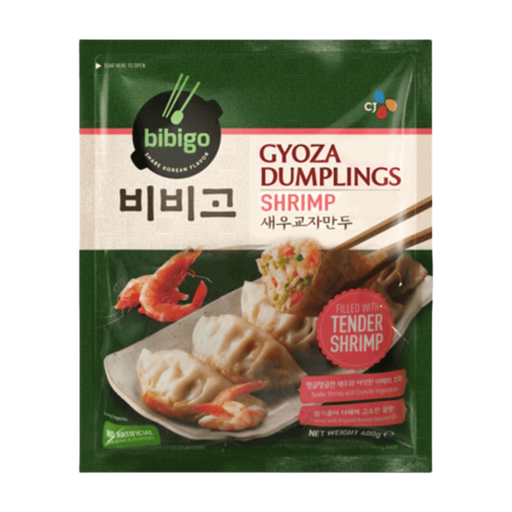
Why it suits this profile: A 400-gram pack is easy to manage for a first purchase or a small meal. The gyoza contains prawns and vegetables.
The product information lists the ingredients, allergens and storage advice at -18 °C. This allows you to check the composition before ordering.
400 g pack; 21.44% prawns and 21.44% vegetables according to the product information; suitable as a snack or side dish.
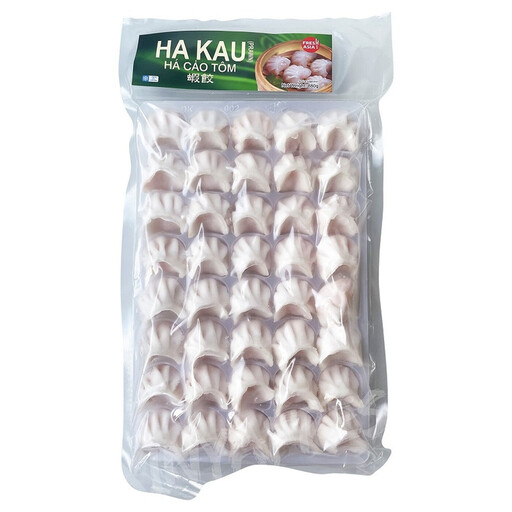
Why it suits this profile: This variety is aimed at lovers of classic steamed dim sum served with a translucent wrapper.
The product details give a net quantity of 880 grams and state that the filling contains 45% shrimp. This makes it easier to compare than relying on the product name alone.
880 g contents; thin, translucent wrapper according to the product description; intended for steaming.
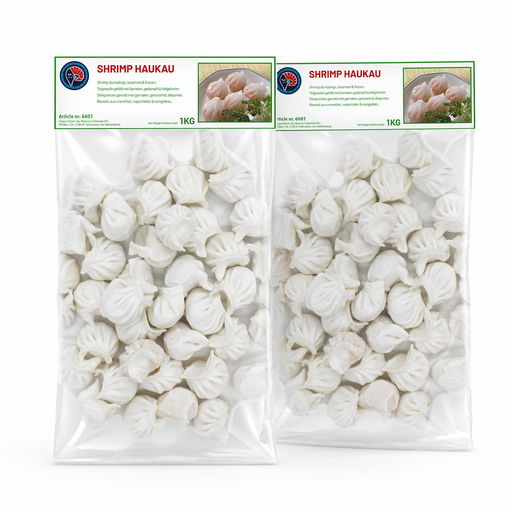
Why it suits this profile: The twin 1 kg pack is designed for high-volume use, regular entertaining or a catering kitchen with plenty of freezer space.
The individual IQF packs allow you to manage your stock according to when you use it. However, always check your available storage space and the current packaging.
2 x 1 kg; IQF packaging according to the product description; suitable for steaming and a range of dishes.
We’ve put together a complete, up-to-date list of products that fully meet these strict selection criteria and the applicable European safety regulations.
This varies by product and size. Mooijer Ha Kau states 8 to 10 minutes from frozen. Ben’s Crystal Shrimp Dumplings states approximately 7 minutes at 96 °C. Always check that the filling is piping hot throughout and follow the instructions on the label.
Some varieties can be. KHY Shrimp Gyoza states that it can be pan-fried without defrosting: first fry briefly in oil, then add water and continue cooking with the pan covered. Follow the cooking method given on your pack, as wrappers and fillings vary between products.
Store them unopened at the stated temperature, generally -18 °C or below, until the date shown on the packaging. Once thawed, they should be kept refrigerated and used within the stated period. Do not refreeze a thawed product.
