
Vandaag of morgen in huis

Kwaliteit gegarandeerd

Welkomstaanbiedingen ontgrendelen: GRATIS bezorging | Tot 80% korting | Gratis 30 dagen JoyPlus-proefperiode
Download de app
Nothing is more disappointing than limp, flavourless prawn crackers with your rijsttafel. Supermarket shelves are filled with options promising an "authentic" experience, but they often fail to deliver the crispy texture and deep prawn flavour you're looking for. Many fans of Indonesian cuisine fall into the trap of buying overpriced, pre-fried snacks that miss the true essence of kerupuk udang.
Before you make a purchase, it's wise to understand the most common pitfalls:
To avoid a bad purchase, there are a few specifications you can check. This will help you assess the quality even before you open the package.
True Indonesian prawn crackers start with a simple, clear list of ingredients. The two most important components are tapioca flour and prawns. A higher percentage of prawns typically indicates a fuller, richer flavour. Be wary of products where sugar or salt is listed first, or those that contain a long list of E-numbers for flavour enhancement. The foundation of good kerupuk doesn't need much more than its core ingredients.
The biggest difference in quality and experience lies in the choice between pre-fried and unfried prawn crackers. The hard, translucent discs that you fry yourself offer an incomparable freshness. Frying your own crackers gives you complete control over the type of oil and the temperature, resulting in a perfectly light and crispy texture. Furthermore, bulk packs, such as a 1kg bag of crackers, are significantly more economical and ideal for those who regularly enjoy an Indonesian meal or for professional use.
We have selected a number of products that suit different needs, based on their specifications and intended use.
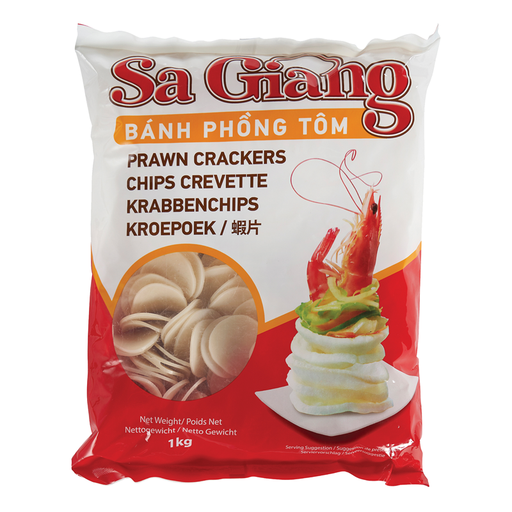
Why This Fits Their Persona: Ideal for those who appreciate the authentic flavour and ritual of frying their own prawn crackers. The 1kg bag of crackers offers excellent value for families, parties, or caterers who want to serve a traditional side dish.
These are unfried crackers, allowing you to avoid the "faux-authentic" marketing trap. The ingredient list is clear, with real prawns as the foundation of the flavour.
Authentic taste and texture after frying. Excellent value for money due to the bulk packaging. Free from artificial colourings.
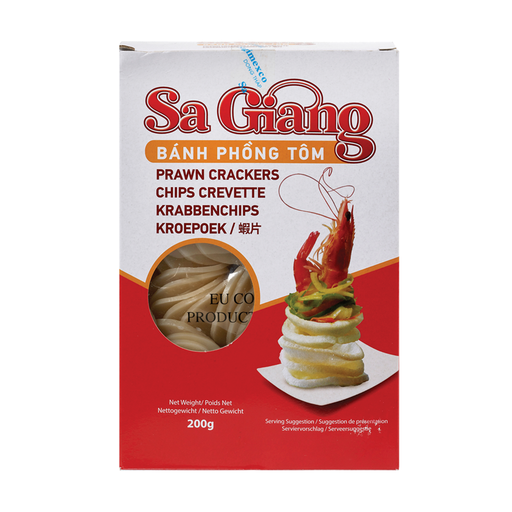
Why This Fits Their Persona: For those curious about frying your own crackers but not yet ready to commit to a kilo bag. This size is perfect for trying it out and experiencing the freshness for yourself.
Offers the same authentic, unfried quality as the larger pack, but in a more accessible format. This prevents waste if you're trying it for the first time.
A low-barrier entry to frying your own. Ideal for smaller households. The same Sa Giang cracker quality in a more manageable package.

Why This Fits Their Persona: For those who want to enjoy a crispy snack immediately without getting out the deep fryer. Perfect for drinks or when you want a quick, tasty addition to your meal.
This product is honest about what it is: a ready-to-eat snack. It avoids the pitfall of being the "wrong type" for someone who is looking for convenience and doesn't want to fry.
Ready to eat, no preparation needed. The satay flavour offers an interesting variation on the traditional plain prawn cracker.
We've compiled a complete, up-to-date list of products that meet these selection criteria.
The process is simple. Heat a layer of vegetable oil (like sunflower or peanut oil) in a wok or deep pan to about 180°C (350°F). Not sure if the oil is hot enough? Drop in a single cracker. If it expands immediately and starts to sizzle, the oil is ready. Then, fry a few pieces at a time. They are done in seconds. Scoop them out with a slotted spoon and let them drain on paper towels.
Functionally, there is no difference; they are two spellings for the same product. "Kerupuk" is the original Indonesian spelling, while "kroepoek" is the Dutch version. Kerupuk Udang literally means "prawn cracker".
Freshly fried prawn crackers are best. If you let them cool completely and store them in an airtight container or bag, they will stay crispy for several days. The texture will degrade slightly over time, so it's best not to make more than you can eat in a few days.
