
Vandaag of morgen in huis

Kwaliteit gegarandeerd

Welkomstaanbiedingen ontgrendelen: GRATIS bezorging | Tot 80% korting | Gratis 30 dagen JoyPlus-proefperiode
Download de app
A bag or storage solution can look spacious, sturdy and versatile in a product photo. In practice, some models turn out to be too large for cabin baggage rules, too flimsy for a full car boot or less water-resistant than the description suggests. So if you’re looking for practical bags and storage solutions, it’s worth considering more than just price and appearance.
The main pitfalls are:
For a 40x20x25 cabin bag, every centimetre matters. Always check the external dimensions, including protruding handles, wheels and pockets. Measure the bag at home and compare its dimensions with the airline’s current requirements. A bag with a capacity of around 20 litres can be handy for a short trip, but capacity is no substitute for checking the size.
For a children’s suitcase or camping bag, other factors matter. Check the weight of the empty bag, how it’s carried and how much strain the zips and fastenings are under. After all, a heavy suitcase leaves less room for clothes and toys.
Polyester, Oxford fabric and PVC are often used for travel and car storage solutions. Don’t just look at the material name; also check:
For example, the LI-NING crossbody bag is listed as having a water-resistance level of 4. According to the product description, this is intended for light rain and splashes, not heavy rain or submersion. So don’t use a bag like this to protect delicate electronics during a prolonged downpour.
A travel organiser or set of packing cubes works best when the compartments suit your routine. Separate compartments for underwear, socks and toiletries mean you don’t have to take everything out of your suitcase. A trolley sleeve can also stop an organiser from slipping off your shoulder while you’re travelling.
For a car boot organiser, stability and fastening matter more than the number of compartments alone. Check whether the base is reinforced, whether it has straps and whether its dimensions will fit your car. Don’t place heavy, sharp or fragile items in a way that could allow them to shift while you’re driving. A back-seat organiser must not obstruct your view or interfere with the safe operation of the car.
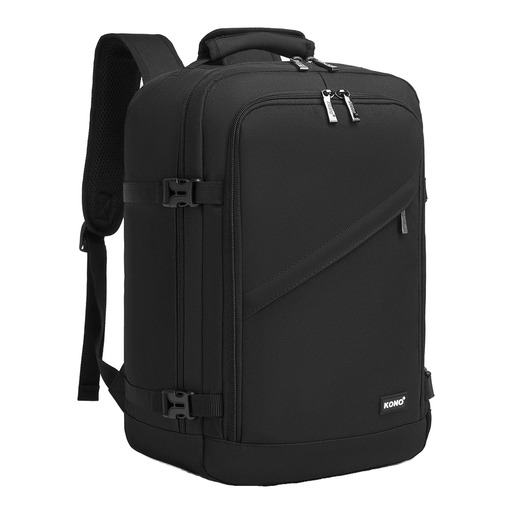
Why it suits this profile: The stated external dimensions of 40 × 20 × 25 cm and 20-litre capacity make this a good option for travellers looking for a compact bag for short flights. Always check your airline’s current rules, though.
The size is clearly stated in the product name, so you can compare it before buying instead of relying on the litre capacity alone.
20-litre capacity, rucksack design and dimensions of 40 × 20 × 25 cm for compact travel.
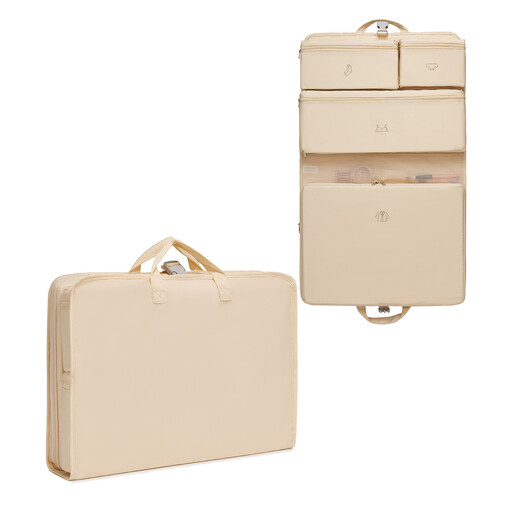
Why it suits this profile: This organiser is designed for travellers who want to keep clothes and toiletries separate in a suitcase, weekend bag or gym bag.
The six separate compartments make it easy to check how everything is organised. The material is described as water-resistant, not fully waterproof.
45 × 15 × 34 cm when folded, 45 × 74 cm when unfolded, weighs approximately 0.35 kg and comes with a trolley sleeve.
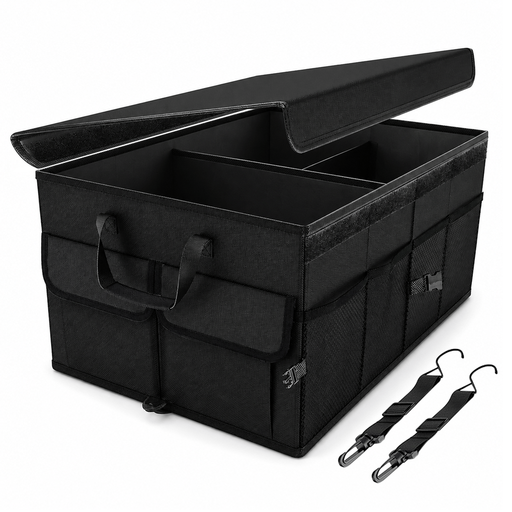
Why it suits this profile: With a 60-litre capacity, three compartments and adjustable straps, this boot organiser is designed for families, drivers and anyone who wants to carry groceries or accessories separately.
The reinforced base and side panels help prevent it from sagging. Secure the box with the straps provided, and don’t pack it with sharp or extremely heavy items.
60 litres, dimensions of approximately 50.8 × 36.8 × 32 cm, three compartments and a foldable design made from 600D Oxford fabric.
We’ve put together a complete, up-to-date list of products that meet these strict selection criteria and the current European safety requirements.
Clothing storage bags with zips and handles are handy for clothes, duvets and camping gear when moving house or changing over your seasonal wardrobe. A transparent design makes it easy to see what’s inside. Choose a foldable storage bag if you want to store it flat after use.
For outdoor activities, a picnic bag with a foldable mat can save space. Check the mat’s stated diameter, the folded size and the level of moisture protection. A crossbody bag is suitable for everyday use if its compartments and strap suit your phone, purse and water bottle. For formal occasions, an evening clutch usually has less capacity, so check that your phone, keys and make-up will actually fit.
Its lifespan depends on the material, how heavily it’s used, exposure to moisture and how well it’s cared for. Don’t overload zips and handles, dry damp bags thoroughly and avoid storing PVC in hot conditions or direct sunlight for long periods. If you use it frequently, check the seams, buckles and straps regularly.
Packing cubes are separate bags that let you organise clothes by category. A travel organiser often has fixed compartments and can sometimes be hung up. Choose packing cubes for a flexible layout; choose an organiser if you want quick access to several separate compartments.
Measure the available length, width and height of the boot, including the space around the tailgate. Compare these measurements with the organiser’s external dimensions and check that its straps can be used in your car. Also leave enough room for a clear view and any other compulsory car equipment.
