If your workshop device has an Ethernet port and you don’t need Wi-Fi at your workstation, consider a wired powerline kit. If you want to join in using a laptop, tablet or phone, choose a kit with Wi-Fi on the receiving adapter. Test the connection using the wall sockets you plan to use and the devices you’ll have during the workshop: electrical appliances and their placement can affect data transfer, and the stated maximum speed isn’t a measurement of performance in your home. If the test doesn’t provide a usable connection, consider an Ethernet cable or another networking option.
Who is powerline suitable for?
Attending on a desktop computer
If you’re joining the workshop from a single workstation with an Ethernet port, a wired powerline kit could be an option if running a network cable is difficult. Test the connection using the sockets you plan to use; TP-Link and devolo describe this type of wired setup.
Attending on wireless devices
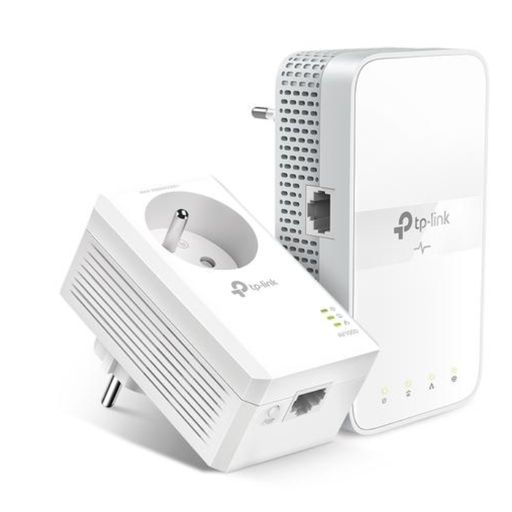
If you’re using a laptop, tablet or phone in the workshop room without an Ethernet connection, look for Wi-Fi on the receiving powerline adapter. TP-Link describes Wi-Fi for the TL-WPA7517 KIT.
Extending an existing network
If you want to add to your existing powerline adapters or connect several devices by cable, check the full model names, product range and number of connections. devolo states that its Magic and dLAN ranges aren’t compatible with each other.
What should you look for when choosing?
Powerline with Ethernet
Choose this if: your workshop computer has an Ethernet port and you don’t need Wi-Fi in that location.
Bear in mind: the connection will still depend on your electrical wiring and the sockets you choose.
Powerline with Wi-Fi
Choose this if: you want to join wirelessly from the workshop room, or use both Wi-Fi and Ethernet there.
Bear in mind: Wi-Fi on the adapter won’t prevent potential interference along the powerline connection.
Network cable or another networking option
Choose this if: running a cable is practical, or a powerline test using the sockets you plan to use doesn’t provide a usable connection for your workshop.
Bear in mind: a cable may require more installation work; you’ll need to assess the range of another wireless solution separately, especially through walls.
Use the table to compare the connection type, performance in the workshop space, the ports you need and any compatibility with existing adapters.
| What to consider |
What should you check? |
Who is this important for? |
| Usable connection |
Test the two wall sockets you plan to use during a workshop-style session, with your usual household devices switched on. |
If I’m joining from a fixed location, I want to know whether the connection will work with my sockets. Around 36% of consumers put a usable connection in the workshop space first. |
| Wi-Fi or Ethernet |
Check your device’s connection type and whether the receiving adapter offers Wi-Fi or Ethernet only. |
If you’re joining wirelessly on a laptop, tablet or phone, you’ll need Wi-Fi in the workshop space. Around 29% of consumers give wireless access there top priority. |
| Connections and sockets |
Count the wired devices and check the number of adapters, Ethernet ports and any pass-through sockets. |
If I have several wired devices or few spare sockets, I want to know in advance how many connections will remain available. Around 21% of consumers focus on connections or keeping a socket free. |
| Existing adapters |
Note down the full model names and check whether the new adapter is compatible with your existing powerline range. |
If you want to extend an existing powerline network, you’ll want to make sure the new adapter works with your current range. Around 14% of consumers prioritise compatibility with existing adapters. |
Common buying mistakes
-
Assuming the stated Mbps is your guaranteed workshop speed
The speed shown in the product name or on the packaging doesn’t tell you what connection your sockets will provide during a workshop. devolo notes that socket choice and electrical appliances can affect data transfer.
Test the adapters using the wall sockets you plan to use, with the devices you’d normally have switched on during the workshop.
-
Choosing an Ethernet kit when your device needs Wi-Fi
An Ethernet port at the receiving end won’t automatically provide Wi-Fi for a laptop, tablet or phone.
First decide how your workshop device will connect, then check whether the receiving adapter offers Wi-Fi.
-
Mistaking a single adapter for a complete kit
A new powerline connection needs one adapter by the router and another in the workshop space. Also, devolo says its Magic and dLAN adapters aren’t compatible with each other.
Check what’s included in the kit and the full model names of any adapters you already have before choosing an add-on.
Brands to compare
TP-Link
The models listed mainly differ in the type of connection at the workshop end: wired with the TL-PA7017P KIT, or Wi-Fi with the TL-WPA7517 KIT.
- According to TP-Link, the TL-PA7017P KIT has a gigabit port and a pass-through socket, while the TL-WPA7517 KIT has Wi-Fi and a gigabit port.
- Stated speeds aren’t a measurement of performance in your home. For Wi-Fi models, check the exact version on offer and test the connection using your chosen sockets.
devolo
The Magic 2 LAN triple Starter Kit is a wired option for a receiving location where several devices need Ethernet.
- According to devolo, the receiving triple adapter has three gigabit ports and the starter kit includes two adapters.
- devolo states that the Magic range isn’t compatible with the dLAN range. Placement and electrical appliances can affect data transfer.
FRITZ!
According to FRITZ!, the FRITZ!Powerline 1260 WLAN Set is designed for a receiving location with Wi-Fi and a wired connection.
- FRITZ! specifies Wi-Fi 5 and one gigabit LAN connection for this set.
- The stated specifications aren’t an independent performance measurement through thick walls. The Mesh Wi-Fi feature described is part of the FRITZ! product ecosystem.
NETGEAR
According to NETGEAR, the PLP2000 is a wired kit with two adapters and pass-through sockets, for anyone who doesn’t need Wi-Fi at the receiving end.
- NETGEAR lists HomePlug AV2, one gigabit Ethernet port per adapter and pass-through sockets.
- NETGEAR doesn’t list Wi-Fi for the PLP2000. The stated powerline performance doesn’t tell you what workshop speed you’ll get at home; also check the version on offer.
Powerline products on Joybuy
This selection includes powerline starter kits for wireless participation via Wi-Fi and for a fixed, wired connection. Before choosing, check that the version and any applicable product markings are right for your needs.
 No image available
TP-Link TL-WPA7517 KIT
Ideal if you want to join wirelessly from the workshop room; the kit also offers an Ethernet option.
TP-Link specifies Wi-Fi and a gigabit Ethernet port for this model.
Joybuy
 No image available
TP-Link TL-WPA7617 KIT, 1200 Mbit/s, Wi-Fi and Ethernet (2-pack)
Ideal if you want to join wirelessly and also have the option of using an Ethernet connection.
The product name lists 1200 Mbit/s, Wi-Fi, Ethernet and two units. The stated speed isn’t a measurement of the connection through your sockets.
Joybuy
 No image available
TP-Link TL-PA4015P KIT, 500 Mbit/s Ethernet (2-pack)
Suitable for a fixed workshop computer with an Ethernet port if you don’t need Wi-Fi in that location.
The product name lists 500 Mbit/s, Ethernet and two units. According to the product information, this isn’t a Wi-Fi solution.
Joybuy
Frequently asked questions
Do I need one or two adapters for a new powerline connection?
For the setup described, you’ll need two adapters: one by the router and one in the workshop room. Check that you’re buying a starter kit, not just an add-on adapter.
Where should I put the adapters if the connection keeps dropping?
devolo recommends plugging the adapters directly into wall sockets, rather than into a multi-socket extension or extension cable. Try the sockets you plan to use and look out for possible interference from nearby appliances. This is installation advice, not a legal requirement about where to place them.
Should I buy the kit with the highest stated Mbps for a virtual workshop?
No, not based on that figure alone. Zoom lists bandwidth requirements for group video calls that depend on the features you use; the stated powerline speed doesn’t tell you what connection your sockets will provide. Test the workshop service and the settings you plan to use at your workstation.
What if the kit doesn’t work at home or develops a fault?
According to the Dutch government, online purchases from a business generally come with a 14-day cooling-off period; check which terms apply to your purchase. Your rights if a product is faulty are separate from any manufacturer’s warranty.
What should I look for in a powerline kit with Wi-Fi?
Check that the version on offer is suitable for your needs and that the applicable CE and radio equipment requirements apply to the product. A mention in an advert isn’t, by itself, verification of the specific version; ask for the product documentation if necessary.


