
Users of a small USB torch
If you find that a torch with a low power draw stops charging prematurely, check with Anker Support whether low-current mode is supported by your exact power bank model.


First, check that the power bank’s output and cable are compatible with your torch, and that it keeps charging when the torch draws very little power. A high maximum output doesn’t answer that last question. Then choose the charging capacity you need, and charge your devices uncovered on a hard surface, as advised by Brandweer Nederland and Brandweer Twente.
If you find that a torch with a low power draw stops charging prematurely, check with Anker Support whether low-current mode is supported by your exact power bank model.
If you want to charge your torch within easy reach, you’ll also need a clear space where your devices can release heat. Brandweer Nederland and Brandweer Twente recommend using a hard surface and keeping bedding away from the devices while they charge.
If you want to recharge your torch more often, compare the connections and usable output capacity. Anker Support explains why the rated capacity of the internal cells isn’t the same as the capacity available at the output.
First check the connection and charging behaviour with your torch. Then compare the capacity you need with the space where you can charge safely.
| What to consider | What to look for | Who is this important for? |
|---|---|---|
| Low power draw | Check whether the exact model has a low-current mode, which output it works through and how long it stays active. | If my small torch stops charging, I want to know whether the power bank keeps its output active. Around 36% of consumers say reliable charging at low power draw is their main reason for buying. |
| Safe charging beside the bed | Choose a hard surface where the devices can sit uncovered and release heat. Don’t charge them under a pillow or duvet. | I want to charge my torch beside my bed without covering the devices. Around 29% of consumers prioritise a safe place to charge. |
| Connection and cable | Compare the torch’s plug with the power bank’s output, and check whether the cable you need is included. | If I want to connect my torch using the cable I already have, the plugs and output need to be compatible. Around 21% of consumers say compatible connections are their main reason for buying. |
| Usable charging capacity | Compare output capacity on the same voltage basis, and take the power bank’s size and weight into account. | If I want to recharge my torch several times before the power bank needs charging again, I want to be able to compare the usable capacity. Around 14% of consumers prioritise extra charging capacity. |
The rated capacity may refer to the internal battery cells. Voltage conversion and losses mean the available output capacity may be different, as Anker Support explains.
Compare capacity figures on the same voltage basis, and treat estimates of the number of charges as approximate.
Ports and included cables vary by model. A USB-C connection won’t necessarily match the cable for your torch.
Check your torch’s charging specifications, the power bank’s output and both plugs on the cable you need.
If the plugs don’t match, you may need to buy a compatible cable separately.
Low-current mode and how long it stays active are specific to each model. You can’t tell from the maximum output. Anker Support describes this feature for individual models.
If your torch stops charging prematurely, check the manual for the exact model.
Worth considering if low-current mode on the exact power bank model is important to you.
The Primo 24678 is a useful reference if you’re comparing a model with USB-A and USB-C connections.
The 10,000 mAh BoostCharge version is a useful reference if you want to compare different port types and an included cable.
This selection at Joybuy includes compact 10,000 mAh power banks and 20,000 mAh models. Before buying, check that the connection is compatible and that the model keeps charging when your torch draws very little power.
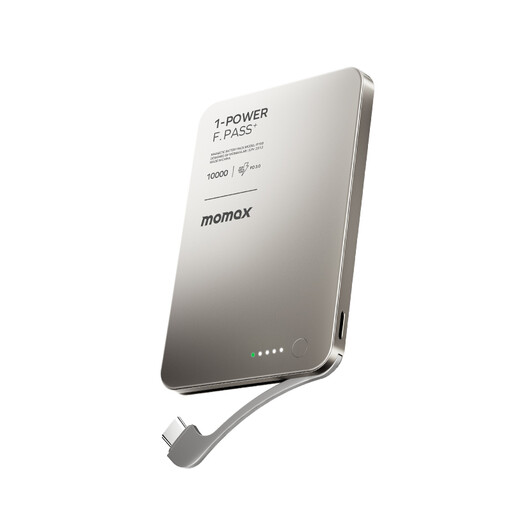 No image available
Could be a good fit if the built-in USB-C cable or USB-A output matches your torch’s connection.
10,000 mAh; built-in USB-C cable; USB-A output.
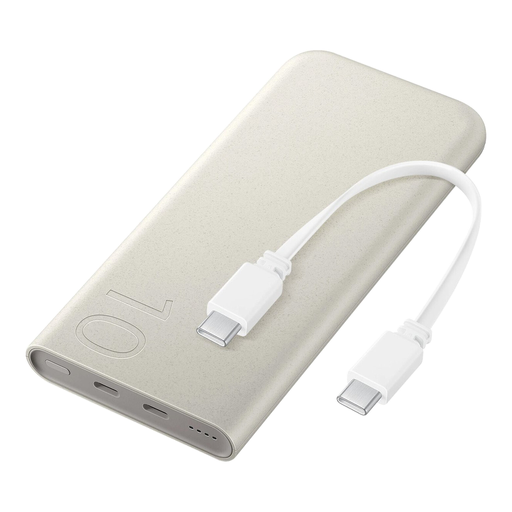 No image available
The integrated USB-C cable could work if your torch charges via USB-C. Check the connection before choosing.
10,000 mAh; wired charging up to 25 W; wireless charging up to 7.5 W.
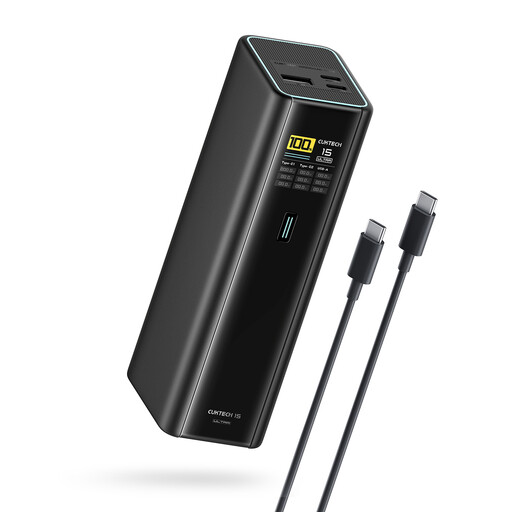 No image available
Could suit a USB-C torch if you also want to compare a higher rated capacity.
20,000 mAh; 140 W; three USB-C ports; PD 3.1.
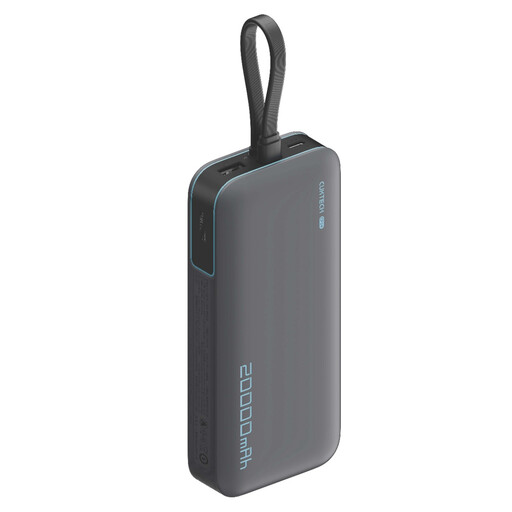 No image available
Could be a good fit if the outputs match your torch’s cable and you want to compare a 20,000 mAh model.
20,000 mAh; up to 40 W; three outputs.
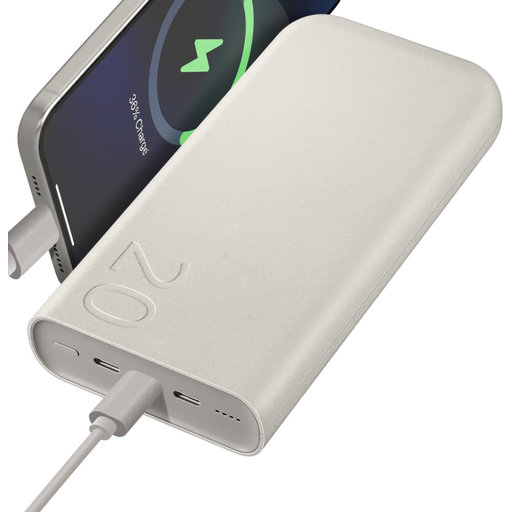 No image available
Could suit a USB-C torch if the connection and cable are compatible with what you need.
20,000 mAh; three USB-C ports; included 20 cm USB-C cable.
If charging stops shortly after you connect the torch, check whether it draws very little power and whether the power bank is switching off its output. Check the manual for the exact model to see if it has a low-current mode. Anker Support stresses that you need to check this for each model.
No. Brandweer Nederland advises against charging devices under a pillow or duvet, and recommends leaving the charger uncovered so heat can escape. Brandweer Twente recommends using a hard surface and, ideally, charging during the day when you’re nearby.
Don’t compare the rated capacity of the internal cells directly with the capacity available via USB. Voltage conversion and losses affect the amount available, so compare figures on the same voltage basis and check whether the right cable is included.
That depends on the EU rules that apply to the specific product category: a CE mark is required where the relevant rules say it is. Check which rules apply to the product. A CE logo on its own isn’t an independent safety test.
Don’t put a power bank in your general rubbish. Ask a collection point or your local recycling centre how to dispose of a device with a built-in battery. The Dutch government provides separate disposal routes for batteries and unwanted electrical appliances.