
USB charger without a plug socket
You have a USB-rechargeable toothbrush or a suitable case, but there’s no convenient plug socket where you want to charge it. The connection and cable need to be compatible.


Choose a power bank with an output that matches your toothbrush’s charging cable or compatible USB case. Not every electric toothbrush charges directly via USB. Check whether the power bank stays switched on when the power draw is low, and charge it away from bedding. Extra capacity is most useful if you also want to charge other devices, but a larger power bank may take up more space and weigh more.
You have a USB-rechargeable toothbrush or a suitable case, but there’s no convenient plug socket where you want to charge it. The connection and cable need to be compatible.
You want to avoid the power bank switching off while a low-power device is charging. Check whether each model has a low-current mode for devices with low power consumption.
You’re looking for a clear space and a suitable way to charge, using undamaged components and keeping the power bank and cable away from bedding.
| What to consider | What should you check? | Who is this most important for? |
|---|---|---|
| Connection and compatibility | Check your toothbrush model, the specified case or charging station, the USB output required and what cables are included. | If I want to charge without a plug socket, the connection needs to match my toothbrush or case. Around 31% of consumers put compatibility first. |
| Safe place to charge | Choose a clear space where heat can escape, and use undamaged cables and charging components. | If I’m charging beside my bed, I want to keep the power bank clear and off bedding. Around 25% of consumers put safe positioning first. |
| Charging with a low power draw | Check the information for the exact model to see whether it supports devices with low power consumption. Also check that it works with your charging accessory. | If my toothbrush or case draws little power, I want the output to stay switched on. Around 25% of consumers prioritise uninterrupted charging. |
| Capacity and size | Decide whether you also want to charge other devices and compare sizes; mAh does not directly tell you how many times you can charge a toothbrush. | If I want to charge other devices as well as my toothbrush, I weigh up the extra charge available against the size and potential cost of accessories. Around 19% of consumers put this trade-off first. |
A USB connection is only useful if the cable and charging accessory are suitable for your exact toothbrush model. Philips, for example, states that a cable is not included with the Sonicare travel charging case CP2171/01; what’s included can vary between accessories.
Before choosing, check your toothbrush model, the specified case or charging station, and which cables are included in the box.
You’ll need to buy a USB-A cable separately for the Philips Sonicare travel charging case CP2171/01.
The capacity in mAh doesn’t directly show how much energy a device will ultimately receive. The Dutch Consumers’ Association treats capacity and measured performance as separate points of comparison.
Compare independent test results where available, and don’t buy based on the mAh figure alone.
The Dutch Fire Service warns that a charger needs room to release heat and advises against charging under a pillow or duvet. Damaged cables can also pose a risk.
Charge in a clear space, use undamaged components, and check whether any warning applies to your exact model.
The BoostCharge BPB011btRG is one option if you’re looking for USB-A alongside USB-C.
The Fuel Series 5 FS5100 is an option with USB-A and two USB-C ports, for sharing with other devices.
Worth considering if you’re specifically looking for a mode for devices with low power consumption.
The EB-P3400XUEGEU is a USB-C-focused option if you also want to charge other devices.
This selection includes power banks with built-in cables, USB-C connections or wireless charging features. Check whether the connection on each model matches your toothbrush’s charging accessory; a wireless charging feature for phones doesn’t confirm compatibility with a toothbrush.
 No image available
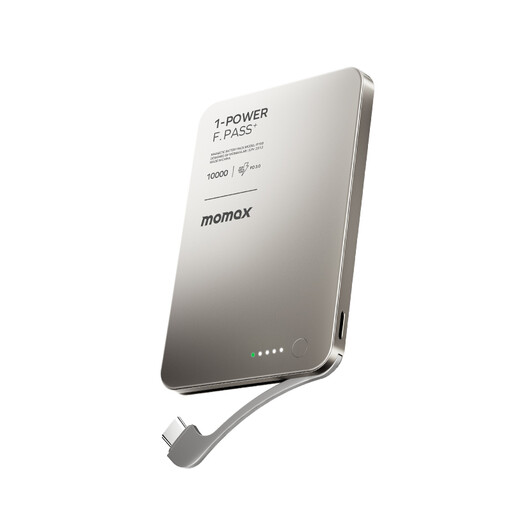
The built-in USB-C cable and USB-A output offer connection options; check which connection your toothbrush accessory requires.
Capacity: 10.000 mAh. Built-in USB-C cable and USB-A output.
 No image available
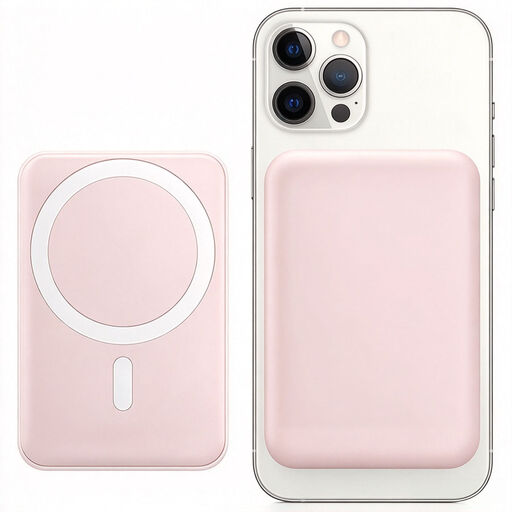
The wireless charging feature doesn’t confirm that this power bank is suitable for a USB toothbrush; check the connection specified for your toothbrush or case.
Capacity: 10.000 mAh. Output: 15 W. Wireless charging and magnetic stand.
 No image available
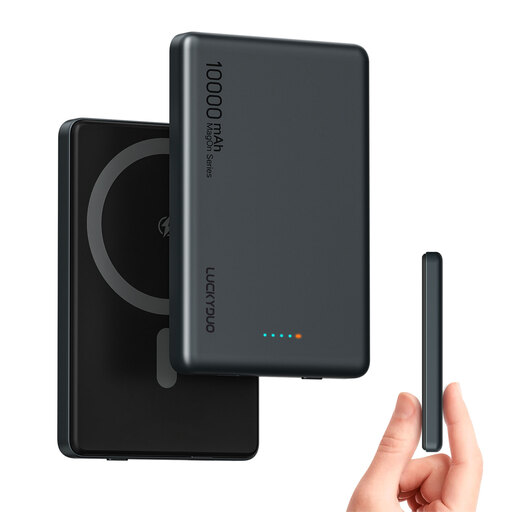
The USB-C connections may work with a USB-C charging accessory, but they don’t confirm compatibility with your toothbrush model.
Capacity: 10.000 mAh. Two USB-C connections, PD 20 W and wireless charging.
 No image available
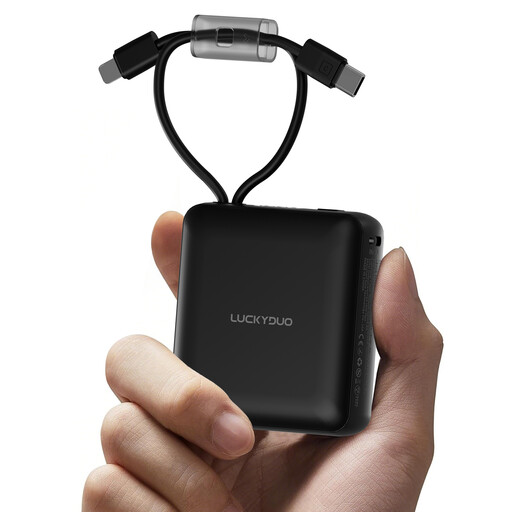
The built-in Type-C cable may be useful if your toothbrush accessory uses USB-C; check that the connector and charging method are compatible.
Capacity: 10.000 mAh. Two built-in cables: Type-C and Lightning.
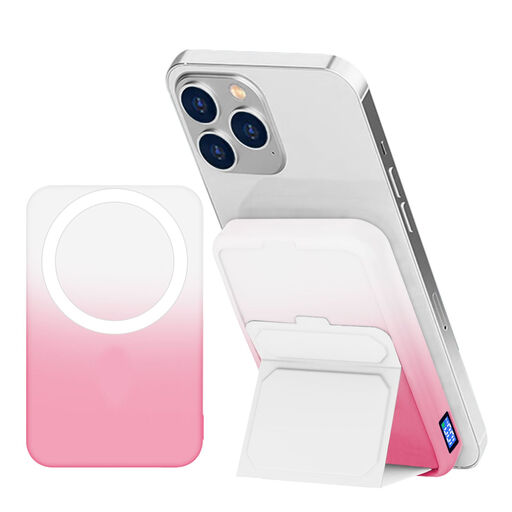 No image available
The USB-C connection offers a wired charging option; check that it matches the charging accessory specified for your toothbrush.
USB-C connection and PD 22.5 W. The product name also mentions wireless charging and a magnetic folding stand.
No. First check how the manufacturer says your exact model should be charged. Philips specifies USB-A for certain Sonicare travel charging cases; what’s included in the box varies by accessory.
A power bank may switch off its output when the power draw is low. Anker describes a mode for devices with low power consumption on certain models, but also states that charging won’t start if the draw is below the required minimum. Check the information for your exact power bank and charging accessory.
According to the Dutch Fire Service, a charger needs to be in the open so heat can escape. Don’t charge it under a pillow or duvet, and don’t use damaged cables. This safety advice doesn’t guarantee that charging while you sleep is risk-free.
In the Netherlands, you have a legal guarantee from the seller for as long as the product should reasonably be expected to last. Any manufacturer’s guarantee doesn’t replace this right.
European product rules apply to relevant electrical and electronic devices; the Dutch government explains matters including the CE mark and EU declaration of conformity. According to the Dutch government, you can hand in old household appliances at the shop where you buy a new, similar appliance.