First, choose a power bank with an output that matches your reading light’s cable. If your light uses little power, it’s worth checking whether the model has a low-current mode. This doesn’t guarantee that every light will keep charging, and the stated capacity won’t tell you exactly how much energy your light will receive. Use the power bank on the kitchen worktop in a dry, unobstructed spot.
Who is this relevant to?
Users of an energy-efficient reading light
If you want to avoid the power bank switching off while your light is still charging, check whether the exact model has a low-current mode and whether it works with your light. Anker Support describes this type of mode for certain low-power devices.
Users with an existing light cable
If you want to keep using your current cable, compare the connector at the power end with the power bank’s outputs. IKEA, Trust and Belkin list both USB-A and USB-C ports on specific models.
Readers who want to spend longer away from a mains socket
If you want to charge your light for longer, look beyond the stated capacity: it doesn’t tell you how much energy your light will actually receive. The Consumers’ Association explains why it’s important to measure the power actually delivered.
What should you look for when buying?
First, check that the cable and output are compatible. Then see whether your light needs a low-current mode, how much charging capacity you’re looking for and where you can place the power bank safely.
| What to consider |
What should you check? |
Who should consider this? |
| Charging at low power |
Check whether the exact model has a low-current mode and how to switch it on; test whether the light completes its charging session. |
If your light draws little power and you want to avoid charging stopping prematurely, uninterrupted charging comes first. Around 36% of consumers say this is their main consideration. |
| Compatible connection |
Compare the connector on your light’s cable with a USB-A or USB-C output; check that the port is designed to provide power. |
If you want to keep using your existing cable, a compatible output matters more than extra ports you don’t need. Around 29% of consumers put connectivity first. |
| Usable charging capacity |
Where possible, compare measurements of the energy actually delivered; don’t estimate how many times you can charge your light based on mAh alone. |
If you read for a long time away from a mains socket, you’ll want to know how much energy the light can receive in practice. Around 21% of consumers give battery life the highest priority. |
| Positioning on the kitchen worktop |
Choose a dry, unobstructed spot and don’t use a damaged power bank or cable. |
If you want to charge your light nearby but the power bank would otherwise sit by the sink or underneath other items, finding a safe place is the deciding factor. Around 14% of consumers name positioning as their top priority. |
Common pitfalls
-
Assuming the stated mAh equals the number of times you can charge your light
The capacity shown on the packaging doesn’t directly tell you how much energy your reading light will receive.
If available, compare measurements of the energy delivered by the exact model and take your light’s specifications into account. Don’t estimate the number of full charges based on mAh alone.
-
Assuming every USB-C port is a suitable output
A USB-C connection can serve a different purpose on each product. The presence of this port alone doesn’t mean you can use it to charge your reading light.
Check the product specifications to see which ports are outputs, then compare them with both ends of your light’s cable.
-
Leaving the power bank among wet items or underneath a cloth
Moisture, damage and short circuits can pose a fire risk. The fire service warns about these risks with batteries.
Use a dry, unobstructed spot on the kitchen worktop and stop using any visibly damaged power bank or cable.
Brands to consider
Anker
The Anker 325 Power Bank (PowerCore 20K) is worth considering if your light draws little power.
- Anker lists a switchable low-power mode for this model, along with a capacity of 20,000 mAh.
- The stated mode doesn’t confirm that the power bank works with every reading light; check the connection and test it with your light too.
IKEA
The 10,400 mAh VARMFRONT is worth considering if you use different types of connection.
- IKEA lists two USB-A ports and one USB-C port, with a maximum USB-C output of 18 W.
- The product information doesn’t confirm a dedicated low-current mode or a measured charging time with a reading light.
Trust
According to Trust, the 10,000 mAh Primo Ultra-thin model 25029 offers several connections.
- Trust lists two USB-A ports and one USB-C port.
- The additional usage hours quoted depend on the device and battery condition; they don’t indicate how long a reading light takes to charge.
Belkin
The BoostCharge BPB011btBK is a 10,000 mAh model worth considering if you use both USB-A and USB-C.
- Belkin lists two USB-A ports, one USB-C port and an included USB-A-to-USB-C cable.
- Check that the cable fits your reading light; the stated specifications don’t confirm that this power bank will keep charging at low power.
Power banks at Joybuy
A selection of Joybuy power banks to consider for a USB reading light. Before buying, check that the output or included cable is compatible with your light, and that the exact model can charge devices that draw little power.
 No image available
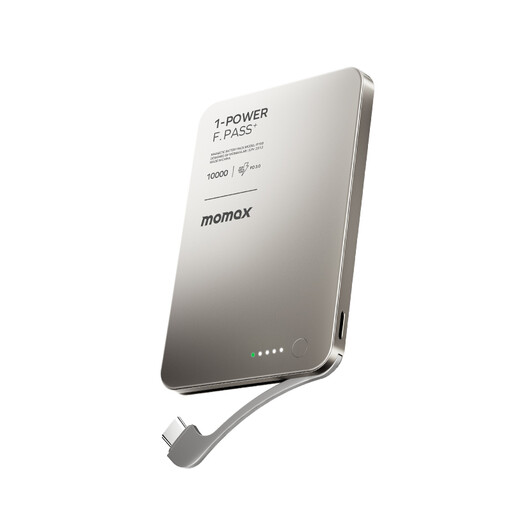
MOMAX 1-Power F.Pass+ Ultra-Slim Power Bank, 10,000 mAh
A portable charging option if you’re looking for a power bank. Check that the built-in cable fits your reading light’s connection.
The product name specifies 10,000 mAh and a built-in cable.
View at Joybuy
 No image available
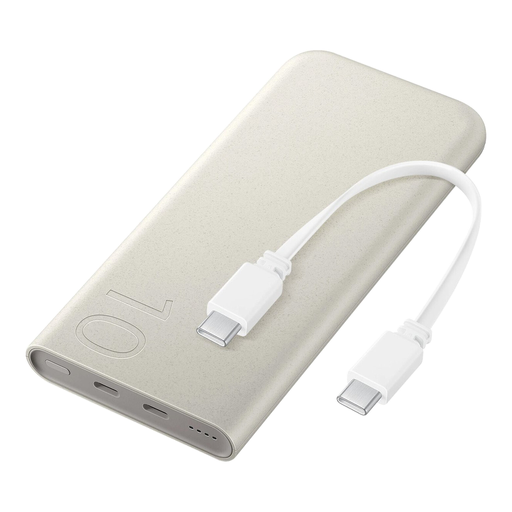
Samsung 25W Inductive Power Bank, 10,000 mAh, Beige
Before using it with a USB reading light, check which wired output is compatible with your cable; the product name alone doesn’t confirm the connection.
The product name specifies 10,000 mAh, 25 W and inductive charging.
View at Joybuy
 No image available
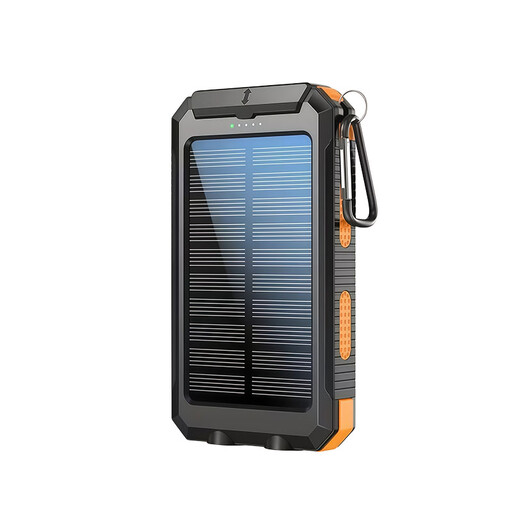
XBJ T8 USB Power Bank, 10,000 mAh, with solar charging
If you’re considering this power bank for your reading light, check which output is compatible with the light’s cable.
The product name specifies 10,000 mAh and solar charging; check the model specifications for the connection you need.
View at Joybuy
 No image available
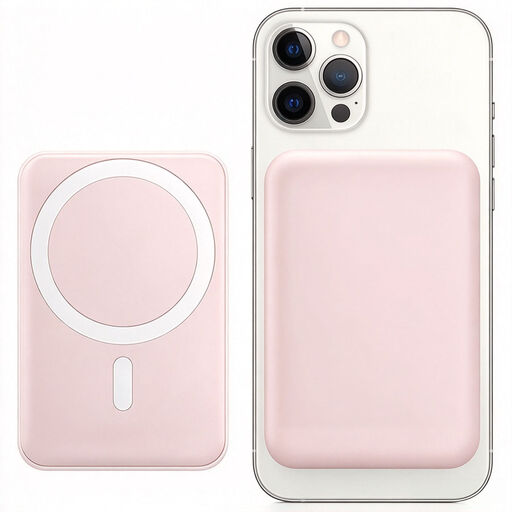
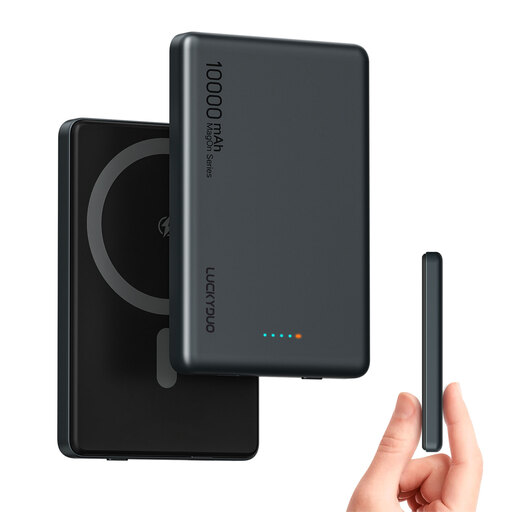
Power bank, 10,000 mAh, 15 W, with magnetic wireless charging
Before using it with a USB reading light, check whether the model has a compatible wired output; wireless charging alone doesn’t confirm that it has the connection you need.
The product name specifies 10,000 mAh, 15 W and magnetic wireless charging.
View at Joybuy
 No image available
Power bank, 10,000 mAh, Dual USB-C PD 20W
Worth considering if your reading light’s cable uses USB-C; check that the port is a suitable output for your light.
The product name specifies 10,000 mAh, two USB-C ports and PD 20 W.
View at Joybuy
Frequently asked questions
How can I tell whether my reading light can connect to the power bank?
Compare the connector at the power end of your light’s cable with a USB-A or USB-C output on the power bank. Check the light’s charging instructions too: the word ‘USB’ alone doesn’t tell you which connector or charging requirements you need.
What can I do if the power bank stops while my light is still charging?
First check the cable, connection and charge level. Then see whether your specific power bank has a low-power mode and follow the model’s instructions. Anker describes this type of mode for certain devices, but that doesn’t prove it’s the cause of the problem with your reading light.
Can I leave the power bank charging next to the sink?
It’s better to choose a dry, unobstructed spot where heat can dissipate. The fire service warns that moisture, damage and short circuits can cause batteries to catch fire; don’t use a damaged cable or power bank.
What warranty and disposal options are available in the Netherlands?
For a consumer purchase in the EU, your legal rights if a product is faulty apply alongside any manufacturer’s warranty offered, according to the Government of the Netherlands. According to the Government of the Netherlands, you can take used batteries to shops and supermarkets that sell batteries. If you’re disposing of a complete power bank, check which collection route applies to the device.


