
Vandaag of morgen in huis

Kwaliteit gegarandeerd

Welkomstaanbiedingen ontgrendelen: GRATIS bezorging | Tot 80% korting | Gratis 30 dagen JoyPlus-proefperiode
Download de app
A dead battery is always an inconvenience. Whether you're on your way to an important meeting, at a festival, or travelling, a reliable power bank is no longer a luxury. But the market is flooded with models that promise the world, and many of these promises lead to a bad purchase. Before you invest in a new portable charger, it's wise to know what to look for.
We often see consumers fall into a few common traps:
By seeing through these marketing gimmicks and design flaws, you can choose a model that truly fits your needs.
To make the right choice, it's important to look beyond the marketing and focus on the specifications that really matter. Here are the three key considerations.
The capacity of a power bank is expressed in milliampere-hours (mAh). On paper, a 10000mAh power bank has enough power to charge a modern smartphone (with a battery of approx. 4,500-5,000 mAh) twice. As mentioned earlier, the effective capacity is lower. Expect around 6,500-7,000 mAh of actual usable energy.
An even more accurate measure is Watt-hours (Wh). This value is mandatory for air travel: you are allowed to carry power banks up to 100 Wh in your hand luggage. A 20,000 mAh power bank (at 3.7V) is approximately 74 Wh, well within the limit.
The charging speed is determined by the power output, expressed in Watts (W). A standard USB-A port often delivers 5W to 12W. For true fast charging, you need more.
The key technology for this is Power Delivery (PD), which works via a usb c power bank port. A power bank with PD can deliver outputs of 20W, 45W, or even higher. This allows you to charge a modern iPhone or Samsung phone to 50% in about 30 minutes. A powerful laptop power bank needs at least 45W PD to be effective. So, always check the maximum wattage and support for PD.
The ports determine the versatility of your power bank.
Based on these criteria, we've selected a few models that suit different user profiles.
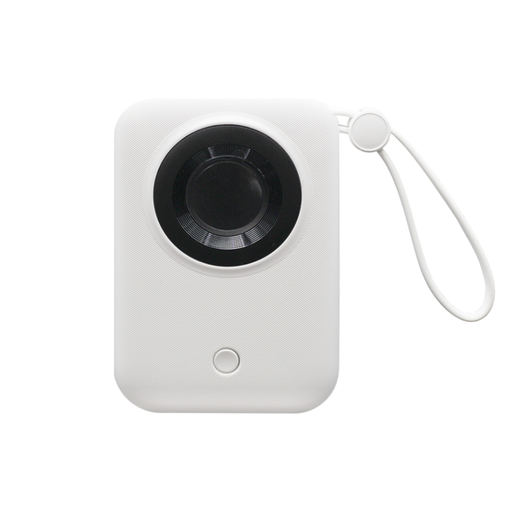
Why This Fits Their Persona: Perfect for those who are always on the go and don't want to carry loose cables. The 10,000mAh capacity is more than enough to get through the day, and its compact size fits easily into a bag or pocket.
This model bypasses the impractical design trap. The built-in Lightning and USB-C cables make separate cables redundant. The screen displaying the battery percentage provides clarity, unlike vague LED indicators.
Built-in cables: Both Lightning and USB-C are readily available.
Clear display: See the exact remaining battery percentage.
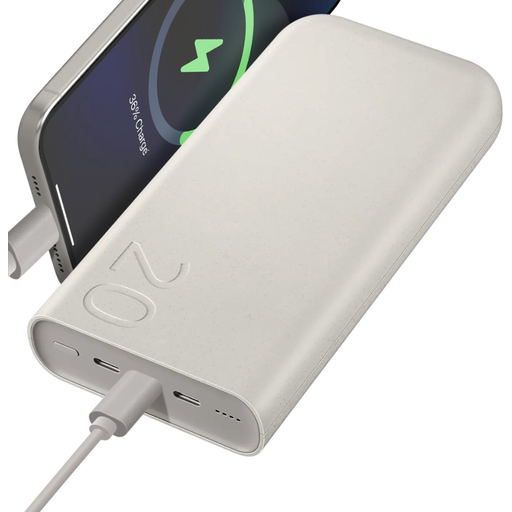
Why This Fits Their Persona: Ideal for those who need to charge multiple devices (phone, tablet, earbuds, and even a laptop) simultaneously. The high capacity and very high power output make this a workhorse for long trips or workdays on the road.
This power bank shatters the vague "fast charge" promise. With a specified output of 45W Super Fast Charging via Power Delivery 3.0, you know exactly what speed to expect, provided your device supports it.
Extremely fast charging: 45W output is enough for most ultrabooks and tablets.
Three USB-C ports: Charge up to three devices simultaneously.
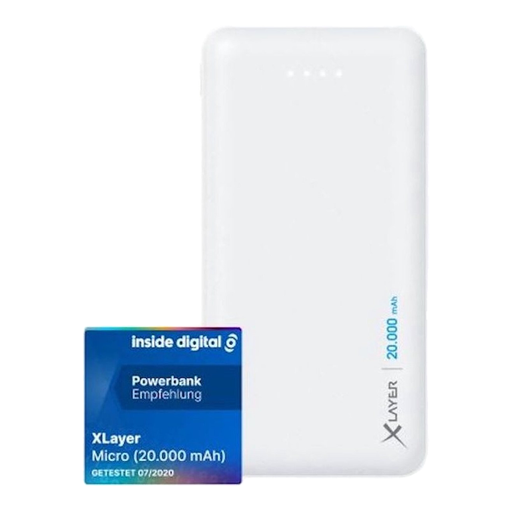
Why This Fits Their Persona: For those seeking maximum capacity at a competitive price. Ideal for a long weekend of camping or a festival, where you need to charge your phone multiple times and speed is less important than total power.
This model is transparent about its specifications. It doesn't promise extreme fast charging but delivers on its core promise: massive capacity. It avoids the capacity trap by simply offering a very large power reserve for a low price.
Massive capacity: With 20,000 mAh, you can charge a smartphone 4 to 5 times.
Dual outputs: Charge two devices at once using the standard USB-A ports.
We have compiled a complete, up-to-date list of products that fully meet these strict selection criteria and safety standards.
In practice, you can fully charge a modern smartphone (with a battery of around 4,500-5,000 mAh) about 1.5 times. This is due to energy loss during the transfer. The effective capacity of a 10,000mAh power bank is typically around 6,500-7,000 mAh.
No, this is not an issue for modern devices. Both your phone and the power bank contain chips that regulate the charging speed to prevent overheating and damage. The phone only "requests" the amount of power it can safely handle.
Yes, power banks must be carried in your hand luggage, not in checked baggage. The limit is typically 100 Wh per power bank. A 20,000mAh model (74 Wh) is therefore no problem at all. For power banks between 100 Wh and 160 Wh, you often need permission from the airline.
