
Vandaag of morgen in huis

Kwaliteit gegarandeerd

Welkomstaanbiedingen ontgrendelen: GRATIS bezorging | Tot 80% korting | Gratis 30 dagen JoyPlus-proefperiode
Download de app
If you’re looking for powdered supplements, you’ll quickly find hundreds of options. Creatine, protein powder, electrolytes, collagen and fibre can seem to promise similar benefits, but their ingredients and uses vary considerably. Attractive packaging or a familiar flavour tells you little about whether a product is right for your goals.
As a Joybuy Product Recommendation Officer, I focus on information you can check: the active ingredients, amount per serving, allergens, directions for use and warnings. This helps you avoid paying for a formula you don’t need.
A pre-workout powder may contain citrulline, beta-alanine, taurine, vitamins and sweeteners, as well as caffeine. That doesn’t automatically make the formula a better choice. First, consider your main goal: do you want to use caffeine, or would you prefer a caffeine-free option? According to the product information, Applied Nutrition ABE Pump Pre Workout Stim Free contains no caffeine, while the manufacturer states that Lucovitaal Pre-Workout Powder Tropical Fruit contains 150 mg of caffeine per 10-gram daily serving.
A 1 kg tub may seem like good value, but the number of servings determines the real cost. So check:
With creatine, for example, the difference between 3 grams, 3.5 grams or a larger scoop matters. According to the product description, BSN DNA Creatine contains 3.5 grams of creatine monohydrate per serving, with around 63 servings per pack.
Whey protein usually contains milk and may also contain soya from lecithin. Collagen from fish is not suitable for people with a fish allergy. What’s more, “vegan” doesn’t mean a product is free from cross-contamination, so always check the current packaging and allergen information.
You should also read terms such as “natural”, “premium” or “for recovery” in context. Under EU rules, health claims must not go beyond the authorised wording. Food supplements are not a substitute for a varied diet.
For food supplements for muscle building, the nutritional information matters more than the marketing name. For example, an Optimum Nutrition whey product lists around 24 grams of protein per serving of approximately 30 grams. Protein contributes to the growth and maintenance of muscle mass as part of a varied diet and active lifestyle.
With creatine powder, check whether it’s creatine monohydrate and how many grams you’ll get per recommended serving. According to authorised EU information, a daily intake of 3 grams of creatine contributes to physical performance during repeated, short bursts of high-intensity exercise. This is a specific claim, not a general promise for every training goal.
A powder should fit easily into your routine. A flavourless amino acid supplement, such as L-glutamine or L-arginine, can be mixed with water, a smoothie or a protein shake. Just check whether the manufacturer recommends a level or heaped scoop.
Individual sachets are handy when you’re out and about. According to the product information, Applied Nutrition Electrolytes Hydration Stick Packs contain one 8-gram serving per stick, designed to be mixed with 200 to 500 ml of water. They’re practical for sport, travel or a long day at work.
If you eat a vegan diet, look for products explicitly labelled vegan, such as certain creatine, electrolyte or arginine powders. Marine collagen, on the other hand, comes from fish and is therefore not vegan. A collagen powder with vitamin C may be an alternative to protein powder, but it won’t necessarily provide the same amount of protein per serving.
Also check for caffeine, sugar, milk, soya, gluten and sweeteners. With psyllium fibre, how you prepare it matters too: fibre swells, so drink it with plenty of liquid straight after mixing.
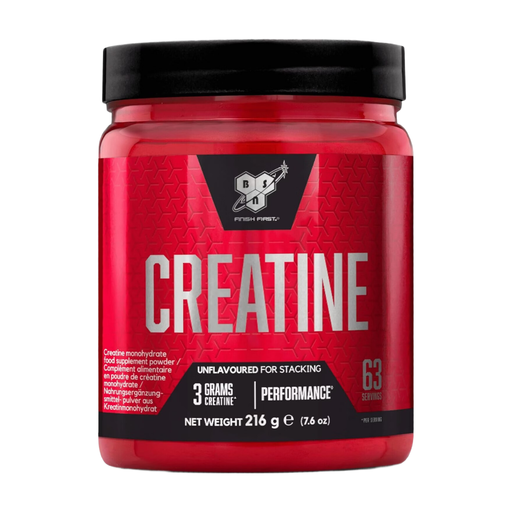
Why it suits this profile: A flavourless powder with one clear key ingredient, ideal if you want to start using creatine without any fuss.
The product information lists micronised creatine monohydrate, with no fillers or added flavourings. This makes the formula easy to compare at a glance.
3.5 grams per serving, 216 grams per pack and, according to the product information, vegan and flavourless.
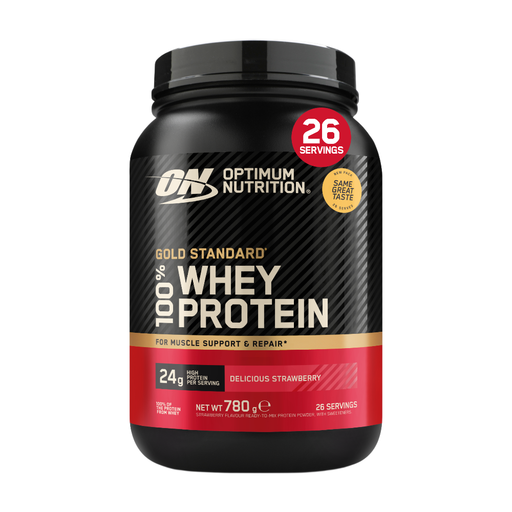
Why it suits this profile: Suitable for adults who want to top up their daily protein intake with a familiar whey formula.
The nutrition information lists the serving size, around 24 grams of protein per serving and approximately 1.2 grams of sugar per serving.
Whey isolate, whey concentrate and hydrolysed whey protein; contains milk and soya allergens.
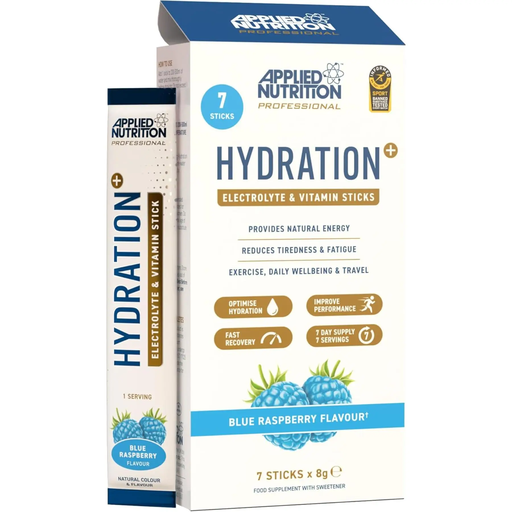
Why it suits this profile: Convenient single servings for adults who want to use an electrolyte powder during sport, travel or while out and about.
The formula lists the electrolytes and vitamins in each stick, and recommends a maximum of one stick per day.
Individual sachets, around 1,190 mg of electrolytes per stick according to the product information, and suitable for vegans according to the manufacturer.
For your daily fibre intake, you could consider psyllium fibre. According to the product description, Lucovitaal Colon Phyta Fiber Powder consists of 70% psyllium fibre and 30% inulin. The recommended amount is 25 grams a day, divided between glasses of liquid. Drink the mixture straight after stirring. This product may affect how medicines work; if you take medication, speak to a doctor.
Collagen powder is a different product category from protein powder. According to the product information, Lucovitaal Super Collagen contains 2,500 mg of collagen peptides, vitamin C and hyaluronic acid per sachet. Applied Nutrition Marine Collagen contains 10 grams of marine collagen per serving, but it contains fish and is therefore unsuitable for people with a fish allergy.
If you’re looking for an amino acid supplement, you could compare L-glutamine or L-arginine. Bear in mind that claims about recovery or performance won’t necessarily apply to every user. Focus on the dosage, allergens and directions for use.
We’ve put together a complete, up-to-date list of products that meet these strict selection criteria and current European safety requirements.
In general, store the product in a cool, dry place, sealed and away from direct sunlight and out of children’s reach. Moisture can affect the texture and mixability of the powder. Always follow the label for the exact storage temperature and expiry date.
To work out how long it will last, divide the net weight by the recommended amount per serving. For example, a 780-gram tub with servings of around 30 grams contains approximately 26 servings. Follow the stated dosage and check the packaging for storage information after opening.
Whether that’s suitable depends on the full ingredient list. Look out for ingredients that may be duplicated, such as caffeine, vitamin B6, magnesium or creatine. If you take medication, have a medical condition, are pregnant or breastfeeding, speak to a doctor or pharmacist before combining supplements.
