Choose your camera and lens based on what you’re photographing. A standard zoom kit lens is practical for whole pots and stall overviews, while small stamps call for a lens with suitable magnification. Canon lists a maximum magnification of 0.25× in MF mode for the RF-S 18-45mm; Fujifilm specifies 1:1 for its standalone XF30mm macro lens. In changing artificial light, use a neutral colour reference and check test shots for banding. Image stabilisation helps with camera shake, but not with moving subjects.
Who is this camera for?
Makers who want to show off glaze colours
If you’re taking photos for a portfolio or to sell your work, you’ll want earthy tones and glazes to look true to life in changing light. A neutral colour reference and RAW images can help. Canon explains that you can adjust the white balance of RAW files afterwards.
Visitors who want quick handheld shots
If you’re taking photos as you walk around, bear in mind that light may be low, your camera may shake and the lighting may flicker. Image stabilisation helps with camera shake, while a test shot lets you check for banding.
Collectors interested in glaze details
If you want to capture small stamps, textures or traces of glaze, it’s worth comparing the magnification of the specific lens you’re considering. The framing you want depends on more than just the camera.
What should you look for when photographing pottery?
Start with what matters most to you: colour in changing light, sharp handheld shots, small details or a complete kit that’s easy to carry.
| What to consider |
What should you check? |
Who is this for? |
| Colour under artificial light |
Check RAW support and custom white balance options, and take a neutral reference with you. |
If I’m photographing glazes for a portfolio or to sell, I want to assess the colours under the stall lighting and adjust them later. Around 36% of consumers prioritise colour reproduction above all else. |
| Sharpness and banding |
Check whether stabilisation is built into the camera body or included lens, and take a test shot under the available lighting with your chosen shutter setting. |
When I’m taking handheld photos as I walk around, I want to reduce blur and distracting bands of light. Around 29% of consumers prioritise sharp shots under stall lighting. |
| Small details at close range |
Compare the maximum magnification and focusing distance of the exact lens, and check that it fits the camera mount. |
If I want to show stamps, texture or traces of glaze, I want to know how much detail the lens can actually capture. Around 21% of consumers prioritise small details above all else. |
| A portable, complete kit |
Check whether the lens is included and what else you’ll need. Also consider how much equipment you want to carry. |
If I’m walking around the market for a long time, I want a manageable kit that suits the photos I take of pots and stalls. Around 14% of consumers prioritise a portable, complete kit. |
Common buying mistakes
-
Comparing camera bodies alone
A camera body on its own isn’t a complete photography kit. The Canon EOS R50 kit described here includes an RF-S 18-45mm lens, while the Sony ZV-E10 version mentioned is a body-only option.
Check exactly what’s included in each kit, then compare the cameras once you know which lens you need.
-
Assuming a kit zoom is a proper macro lens
Canon lists a maximum magnification of 0.25× in MF mode for the RF-S 18-45mm; Fujifilm lists 1:1 for its separate XF30mm macro lens. These figures apply to different lenses.
First decide how small the detail you want to photograph is, then check the magnification of the included or intended lens.
-
Relying only on auto white balance and a silent electronic shutter
Mixed lighting can affect colour reproduction. Canon also warns that some flickering light sources, such as fluorescent and LED lamps, can cause banding when you use an electronic shutter.
Take a shot with a neutral colour reference and check a test image for banding before photographing a whole stall.
Camera brands to compare
Canon
The EOS R50 with RF-S 18-45mm is a specific APS-C kit for overview shots and modest close-ups.
- Canon lists optical stabilisation in the RF-S 18-45mm lens.
- Canon lists a maximum magnification of 0.25× in MF mode; the EOS R50 has no in-body image stabilisation.
Fujifilm
The X-S20 is an APS-C option with in-body image stabilisation; the XF30mmF2.8 R LM WR Macro is a separate lens you can choose.
- Fujifilm specifies five-axis in-body image stabilisation for the X-S20 and 1:1 magnification for the XF30mm macro lens.
- The lens isn’t automatically included in a camera kit, and the quoted stabilisation rating applies under the stated CIPA test conditions.
Nikon
The Z50II with the Z DX 16-50mm VR kit is an option for general photography, with an electronic viewfinder and stabilisation in the included lens.
- Nikon lists an electronic viewfinder for the Z50II and lens VR for the 16-50mm kit lens.
- There’s no evidence that the kit lens offers 1:1 magnification. Check whether it can focus close enough for the details you want to capture.
Sony
The ZV-E10 is worth considering if you want to film demonstrations as well as take photos, and choose a suitable E-mount lens yourself.
- Sony positions the ZV-E10 as an interchangeable-lens vlog camera.
- Its video-focused positioning doesn’t in itself prove it’s better for still life photography; the body-only version mentioned doesn’t include a lens.
Joybuy cameras in this guide
The products below are compact cameras from the Osmo Pocket and Osmo Action ranges. For each model, check that its lens and shooting features are suitable for pottery close-ups and checking colours in changing artificial light.
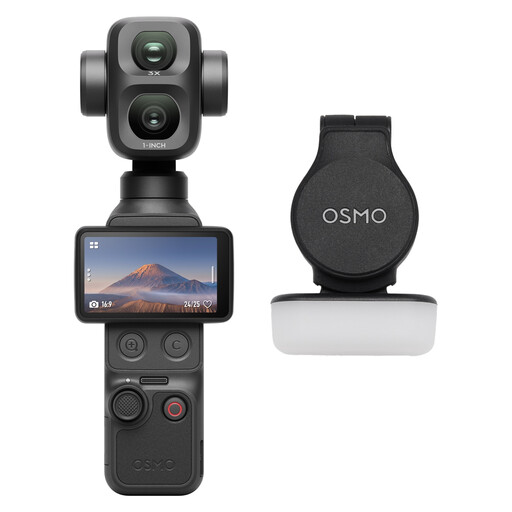 Image unavailable
Osmo Pocket 4P – Standard Combo – Black
For pottery photography, check that this exact combination offers the close-up and colour settings you need in changing artificial light.
View at Joybuy
 Image unavailable
DJI Osmo Pocket 4 Standard Combo
For pottery photography, consider whether the camera meets your needs for close-ups and colour control under artificial light.
The product name lists a 1″ CMOS sensor, 4K/240 fps, 3-axis stabilisation, 2× lossless zoom, 107 GB of built-in storage and a 2″ rotating screen.
View at Joybuy
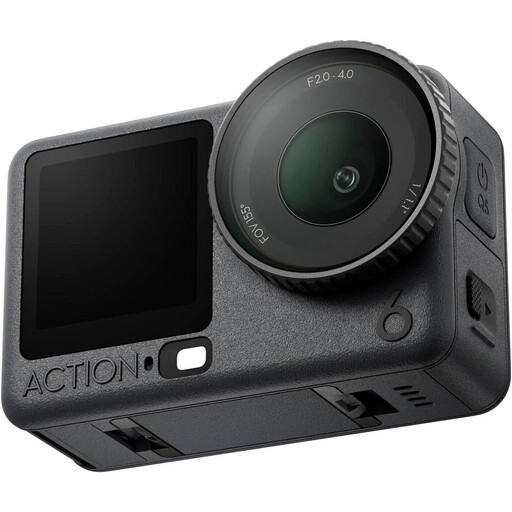 Image unavailable
DJI Osmo Action 6 Adventure Combo
Check that this type of camera and the features of the specific version suit your pottery photography, particularly for close-ups and colour reproduction under artificial light.
View at Joybuy
Frequently asked questions
How do I set the colour when a stall has different lights?
Take a shot in the stall lighting with a neutral white or grey reference. Canon explains that you can adjust the white balance of RAW files later. Check on the spot that the glaze looks like it does to your eye.
Does image stabilisation eliminate all blur?
No. Lens or sensor stabilisation is designed to counter camera shake. If someone picks up a pot or walks through the frame, you’ll also need to account for subject movement.
What should I check when buying an extra lens?
Check the mount, maximum magnification and what’s included with the camera kit. Canon lists 0.25× in MF mode for the RF-S 18-45mm; Fujifilm lists 1:1 for its separate XF30mm macro lens.
How can I avoid banding under flickering lights?
Take a test shot first and check it for banding. Canon warns that some flickering LED and fluorescent lights can cause banding when you use an electronic shutter.
Can I publish photos of pottery that show identifiable visitors?
The GDPR may apply if people are identifiable in the image and you use it for business or publish it beyond a limited private circle. The Dutch Data Protection Authority says that you need a valid legal basis for this kind of processing; consent is one possible basis. You could also photograph the pottery without identifiable visitors and consider publication separately.


