
Baking for a crowd
You need to prepare several batches before or during the sale. So compare the usable baking tray space, suitable shelf positions and the number of batches you can fit into your schedule.


Choose based on the usable baking tray space and the number of batches you can bake before and during the sale; the oven’s capacity in litres doesn’t tell you how many wedges will fit on one tray. A spacious freestanding oven or a built-in model that fits your kitchen may suit larger quantities, while a compact oven is better for smaller portions and limited worktop space. Also plan how you’ll keep the wedges safe and serve them after baking.
You need to prepare several batches before or during the sale. So compare the usable baking tray space, suitable shelf positions and the number of batches you can fit into your schedule.
You’re looking for a freestanding oven that fits the space you have, and you can schedule extra batches if needed. The Inventum OV307B and OV607B are examples of freestanding ovens with different stated capacities.
You need to plan for baking, transport and selling. The Netherlands Food and Consumer Product Safety Authority (NVWA) stresses that food must be prepared, stored and sold safely and hygienically.
Start with the quantity you want to bake per batch and the kitchen space available. Then work out how you’ll store and serve the wedges safely.
Best for: a sale involving several batches when you don’t have a built-in oven space.
Bear in mind: a larger capacity doesn’t tell you how many wedges will fit on a baking tray; also check how much space the oven needs.
Best for: a kitchen with a suitable oven space, especially if you want to use several shelf positions.
Bear in mind: check the dimensions of the oven space and how many compatible baking trays are included.
Best for: limited worktop space and smaller portions, or if you can fit several batches into your schedule.
Bear in mind: the usable baking tray and your portion size determine how much you can prepare per batch.
| What matters when buying | What to check | Who is this most relevant to? |
|---|---|---|
| Baking portions in time | Check the baking tray dimensions, which trays are included and whether you can bake on several shelf positions. | If I want to prepare enough portions before and during the sale, I’ll look at the space on the trays and the number of batches; around 28% of consumers prioritise throughput. |
| Evenly cooked wedges | Check whether the model has a fan oven setting and follow the cooking instructions; check the colour during a trial batch. | If I want to serve evenly cooked wedges that aren’t too dark, I’ll pay attention to the cooking method; around 22% of consumers say cooking results are their main concern. |
| Safe storage and serving | Plan transport and serving; the NVWA advises keeping hot food above 60 °C. | If I want to serve the wedges hot after baking, my plan also needs to cover transport and storage; around 22% of consumers prioritise serving food safely. |
| Finding the right place for it | For a built-in oven, measure the space; for a freestanding model, check how much room it needs. | If I have limited space or want to use an existing built-in oven space, the oven needs to fit; around 17% of consumers make available kitchen space their main concern. |
| Running costs and aftercare | Where available, compare the kWh consumption per cycle and check which baking trays are included. | If I want to take energy use, accessories and service into account, I’ll compare these points across the models I’m considering; around 11% of consumers prioritise running and aftercare costs. |
The NVWA advises keeping hot food above 60 °C. An oven on its own won’t automatically keep food hot during transport and the sale. You should also avoid baking potato products until they’re too dark; the Netherlands Nutrition Centre highlights this as a consideration in relation to acrylamide.
The capacity in litres doesn’t tell you how many potato wedges you can spread out on a usable baking tray.
Compare the baking tray dimensions and the trays included with the quantity you want to bake per batch.
Choosing an oven won’t automatically solve the problem of storing and serving food after baking. The NVWA advises keeping hot food above 60 °C.
Plan baking, transport and serving together, and decide how you’ll check the temperature during storage.
Not all ovens have the same energy label information; according to Energielabel.nl, small and portable ovens don’t have an oven energy label.
Where available, compare the kWh consumption per fan oven cycle and take into account how many batches you’ll need to bake.
The freestanding OV307B and OV607B offer stated capacities of 30 and 60 litres respectively.
The HBA534BS3 built-in oven is an option if you have a suitable oven space and want to make use of several shelf positions.
The BBIE12100BD is a built-in oven with a stated main capacity of 66 litres and a fan function, according to Beko.
This selection of Joybuy products is a starting point for baking in freestanding and built-in ovens; check that each model’s fan setting is suitable for your cooking method.
 No image available
A good fit if you’re looking for a freestanding convection oven and want to use several oven levels; check how many wedges will fit on the tray.
The product name lists 35L, a thermometer, a four-level rack and an LED display.
 No image available
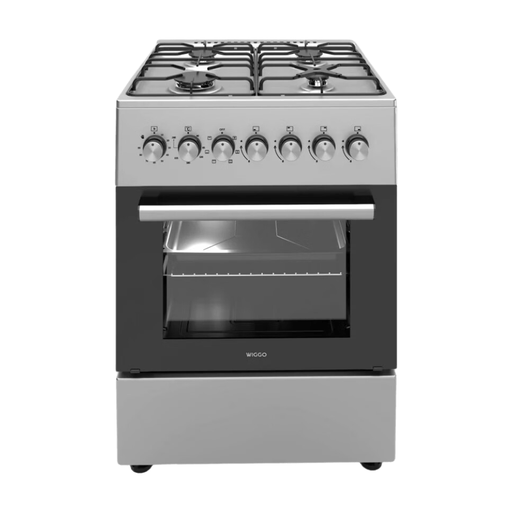
A good fit if you’re looking for a freestanding gas cooker with an oven; check that it has the fan setting you need for your cooking method.
The product name lists 60cm, a gas oven and Energy A.
 No image available
This could suit you if you’re looking for a freestanding oven with a stated capacity of 65L; before choosing, check that it has the fan function you want.
The product name lists 65L and 2000W.
 No image available
A built-in option if you have a suitable oven space; check this model’s dimensions and installation requirements before fitting it.
The product name lists 71L and 3D Hot Air. The product information highlights a suitable built-in oven space and professional installation as points to consider.
 No image available
A freestanding oven to consider if the size suits your needs; for potato wedges, check exactly which heating settings this model offers.
The product name lists a 4-in-1 toaster oven and 1200W.
That depends on the model you choose and the trays available. The Consumentenbond says that fan oven cooking is suitable for preparing dishes on several levels; check the manufacturer’s information and test how the wedges cook before preparing the quantities you’ll need for the sale.
Plan how you’ll prepare, transport and serve them. The NVWA advises keeping hot food above 60 °C; an oven timer is no substitute for checking the temperature during transport or the sale.
According to the NVWA’s step-by-step guide, you don’t need to register if you sell food once a year. If you sell food several times a year, the guide says you need to register and have a food safety plan or hygiene code. Working safely and hygienically is important even for a one-off sale.
According to the NVWA, you must provide allergen information to customers in another way for unpackaged food. Check the ingredients in the wedges, seasonings, sauces and any other additions, and decide how you’ll make that information available when selling them.
Statutory rights are separate from any guarantee offered by the retailer or manufacturer, says ACM ConsuWijzer. If the oven develops a fault, contact the retailer to discuss what solution applies in your situation.