
Vandaag of morgen in huis

Kwaliteit gegarandeerd

Welkomstaanbiedingen ontgrendelen: GRATIS bezorging | Tot 80% korting | Gratis 30 dagen JoyPlus-proefperiode
Download de app
Potato noodles come in more varieties than the name suggests. You’ll find Korean potato noodles, sweet potato vermicelli, wide Chinese noodles, glass noodles, instant noodles and konjac noodles. They differ significantly in texture, cooking time, nutritional values and allergens.
If you only look out for words like “light”, “0% fat” or “authentic”, you could still end up buying a product that doesn’t suit your dish or diet. So pay particular attention to three common pitfalls.
Potato starch is naturally gluten-free, but some products also contain wheat flour or wheat gluten. Samyang Potato Ramyun, for example, is made from potato starch and wheat flour, and contains gluten. Seasoning sachets can also contain wheat, soya, fish or sesame.
Always check the ingredients list and allergen information. A product made solely from sweet potato starch and water has a very different composition to instant Korean noodles with a seasoning mix.
Various potato noodles state 0 grams of fat per 100 grams, such as NongShim Glass Noodles Sweet Potato Miga and certain dried sweet potato noodles. The same doesn’t automatically apply to the sauce or seasoning packet. A spicy red oil, sesame sauce or broth can significantly change the nutritional value per serving.
So compare the nutritional values of the whole product, including any sauce sachets. Pay particular attention to salt, fat, carbohydrates and the serving size.
Dried vermicelli often needs to be soaked first and then boiled. Rujia Sweet Potato Vermicelli, for instance, requires 15 to 20 minutes of soaking, followed by 3 to 5 minutes of boiling. Instant potato noodles are quicker to prepare, but usually come with a flavour base and several sachets.
Boiling thin glass noodles for too long can make them soft, whereas wide sweet potato noodles are actually suitable for hotpot and dishes with longer cooking times. Follow the instructions on the packet, and for stir-fry dishes, you can briefly rinse the noodles with cold water.
For Korean noodles and Chinese noodles, potato starch and sweet potato starch are commonly used base ingredients. Also look out for:
The term “Korean potato noodles” often refers to dangmyeon: translucent noodles with a firm, springy bite. Do check whether the base is potato starch, sweet potato starch or a combination with other starches.
Only compare products when the unit is the same. A dry product typically contains more nutrients per 100 grams than a cooked noodle that has absorbed water.
As a guide from the product information:
These figures aren’t directly comparable without looking at dry weight, prepared product and included seasonings. If you’re looking for gluten-free noodles, low-carb noodles or noodles with fibre, you need to check the packaging and nutrition table rather than just the product name.
The shape affects how sauce and broth are absorbed:
Also pay attention to the contents. A 200g or 400g bag of dried noodles is intended for multiple portions, whereas a pot or packet of instant noodles is usually a single serving.
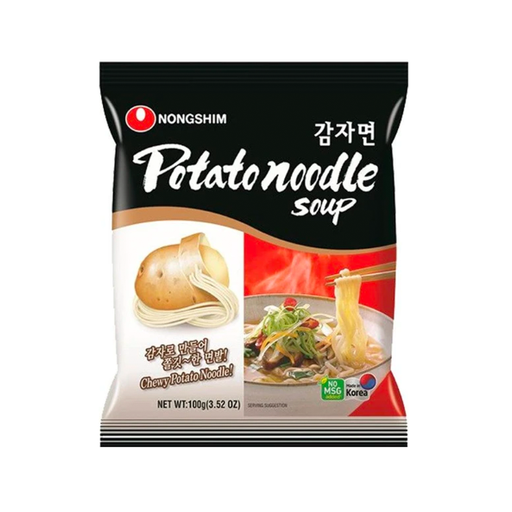
Why this fits the profile: A 100g portion is straightforward and practical for anyone trying Korean instant noodles for the first time.
The product information clearly states potato starch, preparation details and allergens. It does contain wheat and soya, so it is not suitable for a gluten-free diet.
Firmer potato noodles, vegetable flakes and a handy individual packet.
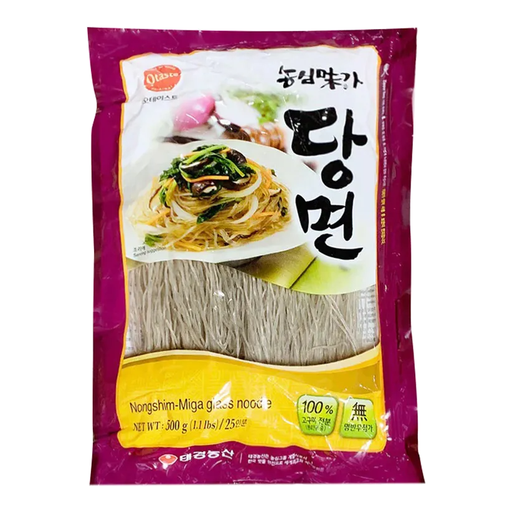
Why this fits the profile: Ideal for home cooks who want one staple product for stir-fries, soup, salad and hotpot noodles.
The ingredients list mentions sweet potato starch and, according to the description, the product contains none of the 14 main EU allergens. Check the packaging if you have allergies.
500g contents, 0 grams of fat and a firm, translucent texture.

Why this fits the profile: A generous supply for hotpot, soup, stir-fries and cold Asian salads.
The preparation instructions mention soaking *and* boiling. This makes it clear upfront that it is not an instant product that only needs hot water.
500g contents, 0 grams of fat per 100 grams and, according to the product information, a gluten-free composition.
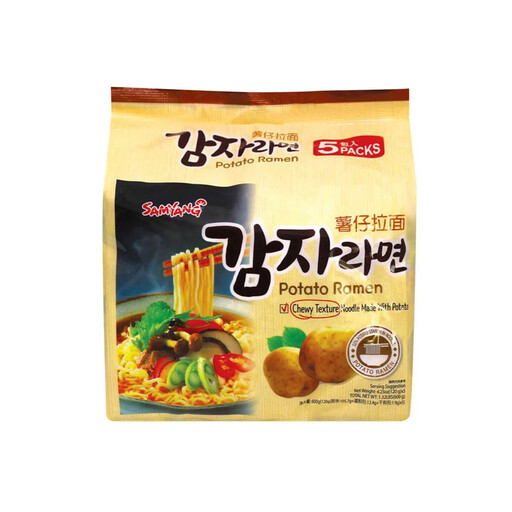
Why this fits the profile: A multi-pack with five individual portions for fans of Korean noodles and a spicy flavour.
The packaging states 5 × 120g and the allergens are clearly marked. Be aware of wheat, soya, sesame and a high salt content.
Five individual packets, potato starch in the noodle base and a distinctive spicy chicken flavour according to the product description.
We’ve put together a full, up-to-date list of products that fully meet these strict selection criteria and comply with current European safety regulations.
Not always. Noodles made exclusively from potato starch or sweet potato starch can be gluten-free according to the product information, but instant varieties sometimes contain wheat flour, wheat gluten or soy sauce. So read the allergen information on the packaging.
It varies by brand and thickness. Dried vermicelli usually needs to be soaked in warm water first and then boiled briefly. For hotpot, you can prepare the noodles directly according to the packet instructions. Rinse them briefly after cooking if you want to stir-fry or serve them cold.
No. Glass noodles are usually made from starch, such as sweet potato starch, and become translucent after cooking. Konjac noodles are made with konjac powder and often have a different, smoother texture. Check the ingredients, nutritional values and preparation method for each product.
