
Vandaag of morgen in huis

Kwaliteit gegarandeerd

Welkomstaanbiedingen ontgrendelen: GRATIS bezorging | Tot 80% korting | Gratis 30 dagen JoyPlus-proefperiode
Download de app
Potato noodles are popular with fans of Korean and Chinese cuisine. They often have an elastic, chewy texture and are available as instant meals, glass noodles, soups or sauced dishes. Yet the packaging can sometimes look more alike than the contents suggest.
If you simply pick the cheapest bag, you could end up with a product that takes longer to cook, contains a lot of salt or isn’t suitable for your allergies or taste preferences. Use these checks to compare potato noodles, sweet potato noodles and other instant varieties more carefully.
Some products are ready after soaking in boiling water for a few minutes. Others need to be cooked in a pan first. Wan He Clay Pot Potato Noodles, for example, need to be boiled for about three minutes. Baijia Assorted Instant Noodles also need to be boiled for five to seven minutes.
So, before you buy, check:
This helps avoid disappointment when you want a quick meal at the office, in your student room or on the go.
A 500-gram bag may contain several portions, while a bowl of around 100 to 120 grams usually makes one meal. A multipack is handy for stocking up, but compare the price per portion, not just the price of the pack.
Samyang Potato Ramyun contains five individual 120-gram packs. OMACHI boxes contain as many as 30 portions of 79 grams. That could be a good option for families, offices or frequent noodle eaters, but less practical if you want to try different flavours first.
Some Tian Xiao Hua products list 0 grams of fat per 100 grams. This is a nutritional value you can check in the product information, but also look at the carbohydrates, salt and sauce ingredients. With instant products, the biggest difference may come from the oil, vinegar or seasoning sachets included.
Also check for allergens. Many potato noodles and glass noodles aren’t made exclusively from potato: some varieties also contain wheat, soya, sesame, peanuts, fish or milk.
Check the ingredients list for potato starch or sweet potato starch. Products made with sweet potato starch are often sold as Chinese potato noodles or glass noodles and usually have a translucent, springy texture.
Also look out for blends containing:
A product containing wheat flour isn’t the same as a noodle made mainly from potato or sweet potato starch. DSKONYAKU Premium Sweet Potato Konjac Raw Noodle, for example, is described as a chilled or fresh product, making it different from dried instant potato noodles.
For a quick Asian meal, cooking time and packaging matter more than enticing flavour names. A bowl is convenient for one person. A bag with individual portions is better if you want to stock up or add your own toppings.
Check whether preparation involves:
Hot-and-sour noodles often come with several sachets. This lets you adjust the amount of chilli oil or vinegar to some extent.
Spicy noodles vary widely in flavour. Korean potato noodles often have a chilli or chicken-style flavour, while Sichuan noodles tend to feature chilli oil, vinegar and Sichuan pepper. Check the ingredients and nutritional information rather than relying on the front of the pack.
In particular, check:
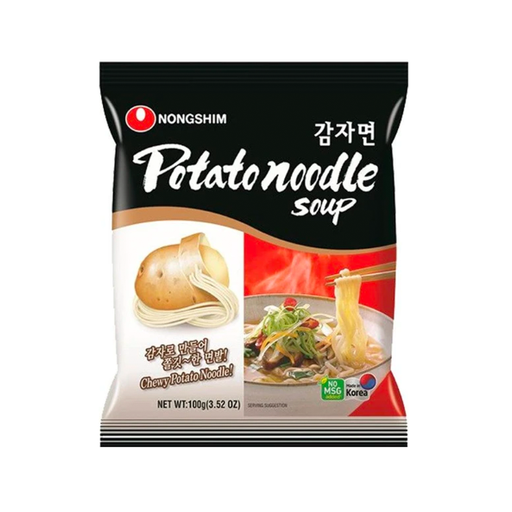
Why it suits this profile: A single portion is a straightforward choice if you want to try Korean potato noodles before buying a multipack.
The product information lists a 100-gram pack and a clear ingredients and allergens list, so you can check the portion size and ingredients in advance.
Potato starch as a key noodle ingredient, vegetable flakes and compact packaging for one quick meal.
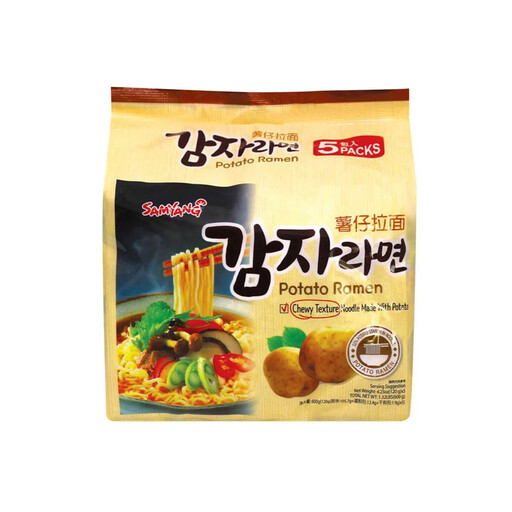
Why it suits this profile: A good choice for fans of bold Korean hot chicken flavours who want to keep several individual portions on hand.
The five individual packs make the amount per meal clear. The product information also lists gluten, soya and sesame as allergens.
600 grams in total, five portions and a stated energy content of 433 kcal per 100 grams.
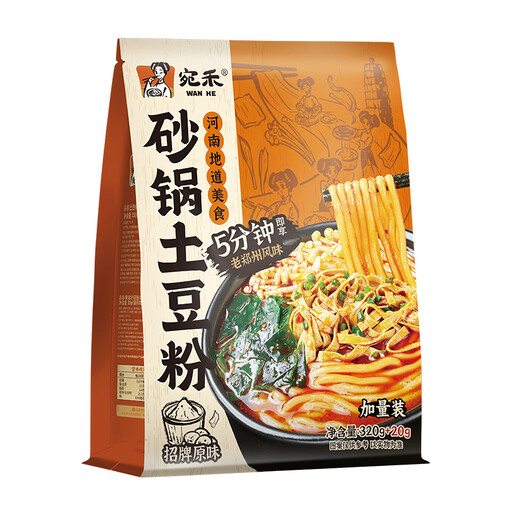
Why it suits this profile: For anyone looking for more than just noodles and wanting to put together a Sichuan-style meal with mushrooms, tofu, kelp and chilli oil.
The instructions clearly state that the noodles need to be boiled and mixed with the seasonings after about three minutes.
340 grams, enoki mushrooms, tofu, kelp, chilli oil and preparation instructions specifying 500 ml of water.
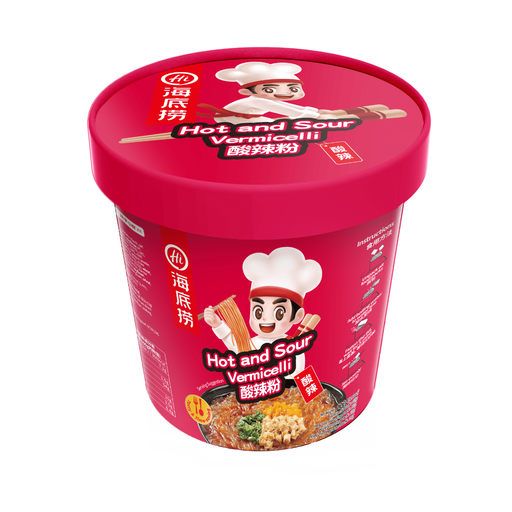
Why it suits this profile: A compact Chinese sweet potato noodle dish with vinegar, chilli and Sichuan pepper for anyone looking for a tangy, spicy flavour.
The instructions call for hot water and five minutes of standing time. The separate seasoning sachets make the ingredients easy to check.
122 grams per pack, with sweet potato and potato starch in the noodles and several flavour components.
We’ve put together a complete, up-to-date list of products that meet these strict selection criteria and the applicable European safety regulations.
Not always. Glass noodles are often made from sweet potato starch, potato starch or other starches. Check the ingredients list to see the difference between potato noodles, sweet potato noodles and wheat noodles.
Always follow the instructions on the pack. Some varieties only need boiling water and should be left covered for about five minutes. Other instant potato noodles need to be boiled for two to seven minutes and then drained. Only add oil, sauce and vinegar when the instructions say to.
Store dried instant products in a cool, dry place away from direct sunlight. The exact best-before date is printed on the pack. Check the packaging before use and don’t consume the product if the pack is damaged, swollen or leaking.
