
Vandaag of morgen in huis

Kwaliteit gegarandeerd

Welkomstaanbiedingen ontgrendelen: GRATIS bezorging | Tot 80% korting | Gratis 30 dagen JoyPlus-proefperiode
Download de app
A bag of potato crisps may seem easy to choose. Yet many shoppers fall into the same traps. Eye-catching packaging says little about how many crisps are inside, an unusual flavour may contain unexpected allergens, and a large bag is not automatically better value if the contents quickly lose their crunch.
The following points will help you compare crisps using verifiable information. That way, you can find the right snacks for a film night, party, lunchbox or eating on the go.
A 300-gram bag contains more crisps than a 60- or 70-gram bag, but you should also look at the number of servings. For example, Lay’s Paprika Crisps 300 grams lists approximately ten servings. According to the product information, Lay’s BBQ Crisps 200 grams contains six to seven servings of approximately 30 grams each.
A larger bag can be practical for a party. For eating on the go, a smaller pack is often more convenient and leaves less over once opened. So don’t just compare the price per bag: also compare the price per 100 grams and the stated serving size.
With paprika crisps, BBQ crisps and ready salted crisps, the flavour is easy to recognise. International varieties can be different. Japanese crisps, for example, may contain teriyaki, cucumber, lime or a spicy chilli mix. The name on the front does not always show all the ingredients.
So check the ingredients list. Pay particular attention to milk, soya, wheat, mustard and possible traces. With imported products, the packaging may show different nutritional values or warnings from those you are used to seeing in UK supermarkets. Always use the label on the packaging you receive as your final check.
A thick or ridged crisp can have a different bite from a thin, smooth crisp. This is mainly a matter of preference. According to the product information, a protective atmosphere in the packaging also helps preserve crunchiness, but once opened, moisture and air will still have an effect.
Store potato snacks in a cool, dry place, away from direct sunlight and heat sources. Seal the bag properly after opening and do not use damaged or severely swollen packs.
The nutrition table makes products easier to compare. Many traditional crisps contain around 500 to 550 kcal per 100 grams, depending on the recipe and preparation method. Also check the fat, saturates, sugar and salt content.
A lower salt content may be a practical preference for some households. Lay’s Patatje Joppie, for example, states 0.61 grams of salt per 100 grams and says it contains at least 25% less salt than standard crisps. This is a brand claim from the product description; compare the table itself with other bags.
A 30-gram serving is a useful measure when serving, but the actual amount someone eats may vary. For a film night or party, consider putting crisps in a bowl rather than placing the full bag on the table.
The first ingredients are present in the largest quantities. In many crisps, these are potatoes and vegetable oil, followed by a herb or flavouring mix. Read further down the label to check for flavour enhancers, milk derivatives, soya or cereals containing gluten.
Examples from the range:
A product that does not contain one of the 14 major EU allergens according to the supplied product information is not automatically suitable for every allergy. Always check the current packaging when buying.
For crisps for parties, bags of 200 grams or more are practical when several people are eating. For an individual snack, packs of 60 to 135 grams are easier to portion. Ridged crisps, such as Koikeya Karamucho or Lay’s Big Wave, have a firmer texture than standard thin crisps.
Also think about the flavour you want:
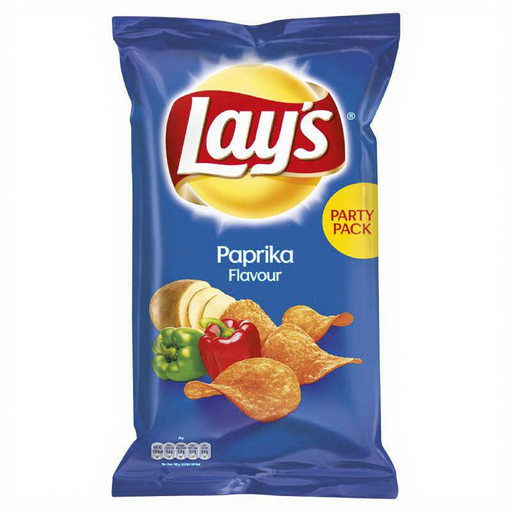
Why it suits this profile: The familiar paprika flavour and 300-gram pack are ideal for anyone looking for crisps for home or guests without spending too much time comparing options.
The pack size and approximately ten servings are clearly stated. This makes it easier to judge the quantity than with an unclear large pack.
300 grams, paprika seasoning and, according to the product information, none of the 14 major EU allergens.
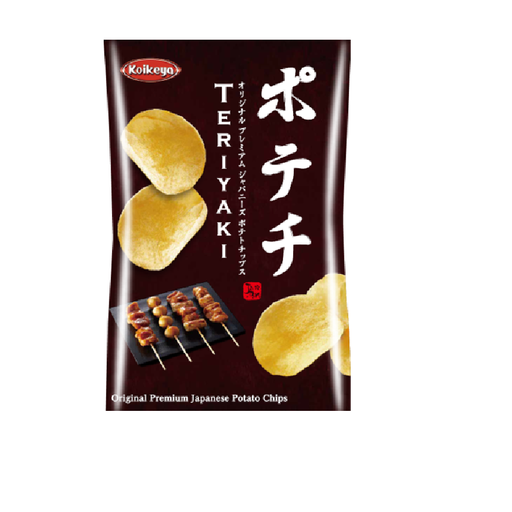
Why it suits this profile: This Japanese variety is designed for anyone who wants to add a sweet-and-savoury teriyaki flavour to a tasting session or film night.
The flavour and ingredients are described clearly. The list includes soya and wheat in the soy sauce powder, so check the label before serving.
100 grams, teriyaki seasoning and a clearly different flavour profile compared with paprika or ready salted.
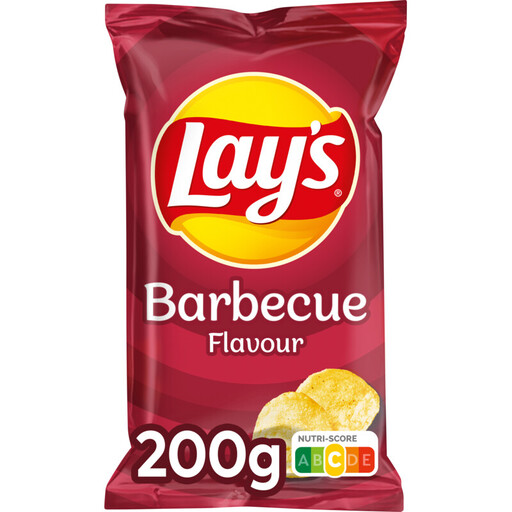
Why it suits this profile: The pack size and smoky BBQ flavour are well suited to sharing at a party, barbecue or sports night.
The bag states that it contains six to seven servings and 1.1 grams of salt per 100 grams. This means the choice is not based solely on the flavour name.
200 grams, protective atmosphere according to the product description, and soya listed as an allergen.
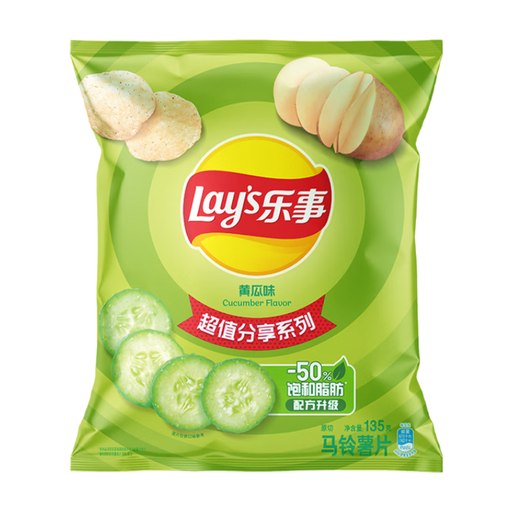
Why it suits this profile: The cucumber flavour offers a refreshing alternative for anyone who wants a change from regular paprika, cheese and onion or ready salted crisps.
The product information names cucumber powder and lists milk as an allergen. This makes the flavour choice easier to verify than simply relying on the image.
135 grams, a crunchy texture and a distinctive flavour profile with milk listed as an allergen.
We have compiled a complete, up-to-date list of products that fully meet these strict selection criteria and the applicable European safety regulations.
Choose a combination of pack sizes and flavours. A 200- to 300-gram bag, such as BBQ, paprika or cheese and onion, is practical for sharing. You could also add a smaller foreign variety for a tasting session. Check the allergens in advance if several guests will be eating.
Store the bag in a cool, dry place, fold or seal the opening securely and avoid direct sunlight. An opened bag gradually becomes less crunchy as moisture gets in. For a party, it is better to serve some crisps in a bowl and seal the rest straight away.
They can be. Flavourings, oils, nutritional values and allergen declarations vary by product and country of origin. With Japanese crisps and other foreign varieties, it is therefore sensible to check both the full product page and the packaging. This will tell you whether ingredients such as soya, milk, wheat or flavour enhancers are listed.
