
Vandaag of morgen in huis

Kwaliteit gegarandeerd

Welkomstaanbiedingen ontgrendelen: GRATIS bezorging | Tot 80% korting | Gratis 30 dagen JoyPlus-proefperiode
Download de app
Fancy some potato crisps, but can't decide between standard crisps, international crisps, exotic crisps or a familiar flavour from Lay's and Pringles? Online, the range can look straightforward, yet important differences are often hidden on the back of the packet. A large bag isn't always better value, "baked" doesn't automatically mean lighter, and a flashy flavour name tells you little about allergens or nutritional content.
With this practical guide, you'll focus on what you can actually check: ingredients, nutritional information, size, cooking method and when you'll eat them.
A 185g or 200g bag can be handy for party crisps, but it's less suitable if you're snacking alone. An opened bag loses its crunch more quickly if it isn't sealed properly. For on-the-go, a lunchbox or a solo snack, a 60g to 90g size is often more practical.
So don't just compare the price per packet – also look at the price per 100g and how many times you plan to eat them.
Some products are made using baking technology rather than frying, according to their product description. That tells you about the cooking method, but it doesn't automatically mean the product is a better choice for every shopper. Always check the nutritional values per 100g.
For example, the Yan Jin Pu Zi O-Potao Tomato Flavour lists 24g of fat per 100g and 502 kcal per 100g. The Original variant lists 32g of fat and 538 kcal per 100g. So the actual numbers matter more than just the word "baked".
BBQ crisps, spicy crisps, tomato crisps and cucumber crisps can vary hugely in their composition. Spice blends may contain milk, wheat, soya, mustard or sulphites, among other things. With international crisps, the country of production, responsible importer and labelling can also differ from one product to another.
If you have an allergy or intolerance, always check the actual packaging. The online product information is useful for an initial comparison, but the label on the product you receive is what counts.
Use the per-100g table to compare products fairly. Look out for:
A Nutri-Score can help with a quick comparison, but it's not a judgement on taste or suitability for your situation. Always check the full nutritional table.
The first ingredients listed are usually present in the largest amount. Check whether you're looking for a product with potato as the main ingredient, potato powder, or a combination with corn, rice or tapioca starch.
Pay extra attention to flavoured products. Pringles Sour Cream & Onion contains wheat and milk according to the product information, and may contain soya. Lay's Max Red Sweet Chilli states that the product contains none of the 14 main EU allergens. That's still different from a guarantee for every individual sensitivity – always read the label.
The texture depends on the slice thickness, ridges and cooking method. Ridge-cut crisps often have more surface area and a firmer bite. A tube, like the one Pringles uses, protects the shape during storage and can be resealed after opening. A bag is often easier to share, but needs more care when sealing.
Store crisps in a cool, dry place, away from direct sunlight, heat and moisture. For opened packets, a good seal helps keep them crunchy for longer.
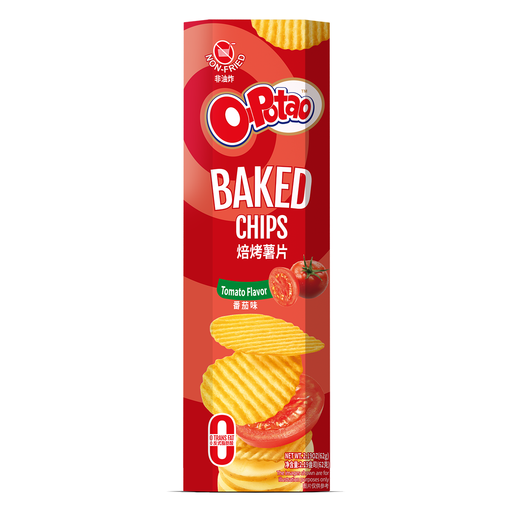
Why it suits this profile: The single 62g packet is manageable when you want to try an international flavour without buying a large supply.
The portion size stops you opening a large bag for a small snack. The product description mentions baking technology; still compare the nutritional values yourself.
62g, tomato flavour and 24g of fat per 100g according to the product information. May contain traces of soya and milk.
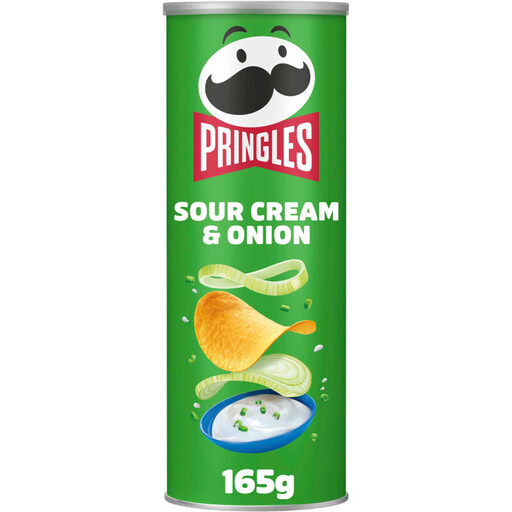
Why it suits this profile: The recognisable shape and resealable tube suit shoppers who value consistent texture and tidy storage.
The sturdy shape helps prevent breakage during storage and transport. The tube makes it easier to reseal after a portion.
165g, round-shaped crisps and a resealable container. Contains wheat and milk according to the product information; soya may be present.
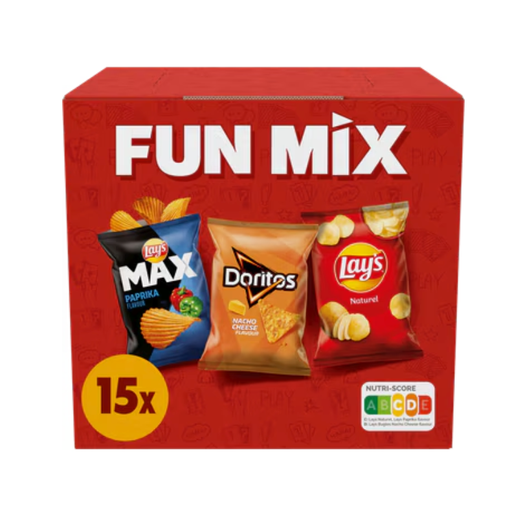
Why it suits this profile: The mix of small bags is ideal for families, students and sharing crisps when people have different flavour preferences.
Small portions stop one large bag being left open for too long. Do check the individual ingredients, as the mix contains different products and allergens.
15 small bags including paprika, cheese and salted potato crisps. Easy to take with you and share out.
We've put together a full, up-to-date list of products that fully meet these strict selection criteria and comply with current European safety regulations.
Choose a size that suits the number of guests and offer several flavour profiles, such as plain, BBQ, tomato and spicy crisps. A mix box with small bags stops everyone eating from the same opened packet. Check the allergens separately for each flavour.
Keep the packaging in a cool, dry place away from direct sunlight. Seal an opened bag well or use the resealable tube if available. Moisture is the main practical cause of a softer texture. Also check the best-before information on the packaging.
No. "Baked" describes the production method, but on its own it doesn't tell you enough about energy, fat, salt or portion size. Compare the nutritional values per 100g and read the ingredients list. According to the product description of some baked varieties, less oil is absorbed – use the stated figures for that, not just the marketing term as a comparison.
