
Vandaag of morgen in huis

Kwaliteit gegarandeerd

Welkomstaanbiedingen ontgrendelen: GRATIS bezorging | Tot 80% korting | Gratis 30 dagen JoyPlus-proefperiode
Download de app
A bag of potato crisps might seem like a simple choice, but the differences often lie in the details. A large pack isn’t always practical for a film night, a bold flavour may contain allergens, and a product with less salt is still a snack. Potato crisps are also sometimes confused with potato slices, potato wedges or other frozen potato products. These need to be prepared differently and are used on different occasions.
With this practical guide, you can focus on what the packaging and product page actually say: ingredients, allergens, portion size, texture and storage instructions.
A 100 g bag of crisps is usually a sensible size for a smaller snack or to take with you. A 185, 200 or 250 g pack is better for sharing at a drinks gathering or during a film night. If you choose a large bag, it’s a good idea to put a portion in a bowl after opening and seal the pack carefully. This helps the crisps keep their texture.
Flavoured crisps may contain seasoning blends, milk ingredients, soya, gluten or sweeteners. For example, the product information for Lay's Lime says that the product may contain gluten and contains aspartame, a source of phenylalanine. According to the ingredients list, Lay's Cheese Onion contains milk ingredients.
So always check the current packaging, especially if you have allergies or intolerances, or follow a specific diet. A flavour such as “tomato” or “Mexican” doesn’t automatically mean the recipe is simple.
According to the product description, Yan Jin Pu Zi O-Potao crisps are baked and presented as an alternative to traditionally fried crisps. That doesn’t automatically make them a more suitable choice for everyone. Check the nutritional values per 100 g, the portion size and the ingredients before comparing products.
Start with the basics: potatoes, oil, salt and any seasonings. Plain crisps often have a shorter ingredients list. Lay's Chips Naturel 200 g lists potatoes, vegetable oils, salt and antioxidants. According to the product information, Croky Natural Potato Chips lists potatoes, sunflower oil and salt.
Allergen information is just as important. Products that don’t contain any of the 14 major EU allergens may suit certain preferences, but check the current packaging every time you buy. Recipes and manufacturing sites can change.
Ridged crisps have a grooved texture and are often chosen when you want more crunch or are looking for crisps that hold on to a dip. Thin plain crisps usually have a lighter, more even crunch. Spiral crisps are different from traditional potato crisps: the product information for Lay's Original Spiral lists ingredients including potato starch, potato powder and milk ingredients.
Store crisps that can be kept at room temperature in a cool, dry place away from direct sunlight. Seal the bag carefully after opening. Frozen products, such as potato wedges and potato slices, should stay frozen until you’re ready to use them. According to the product information, frozen potatoes that have been defrosted must not be refrozen.
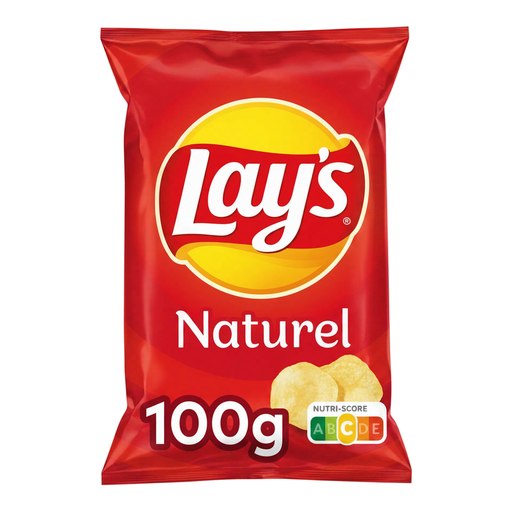
Why it suits this profile: A familiar 100 g bag of plain crisps for anyone who wants to try a classic salted flavour without buying a large pack straight away.
The net weight is clearly stated, and the product information doesn’t list any of the 14 major EU allergens. Check the current packaging before you order.
100 g, plain flavour, suitable for vegetarians according to the product information, and easy to pair with dips.
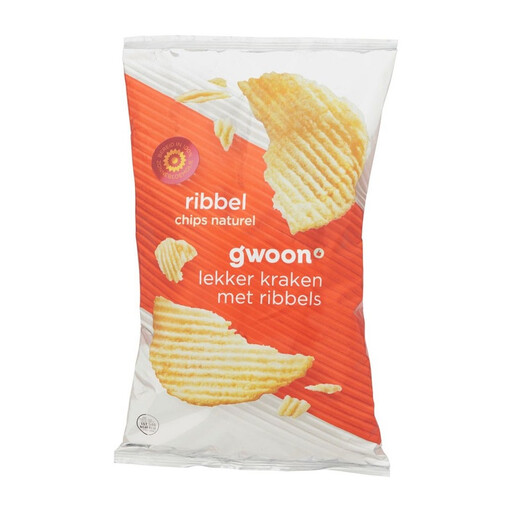
Why it suits this profile: The generous pack and ridged texture make these crisps a good choice for sharing at a drinks gathering, party or film night.
The flavour is plain, and the ingredients list includes potatoes, sunflower oil and salt. This makes it a more straightforward choice than heavily seasoned varieties.
250 g, ridged texture, plain flavour and suitable for vegetarians according to the product information.
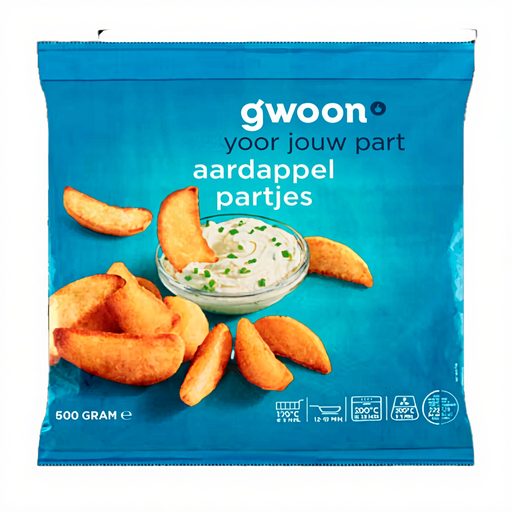
Why it suits this profile: For anyone looking for a hot potato snack or side dish for several people, as well as something to snack on.
This isn’t a ready-to-eat bag of crisps, but a frozen product. The product information says it must be kept frozen and is suitable as a snack or side dish.
750 g, 98% potato according to the product information, and none of the 14 major EU allergens listed.
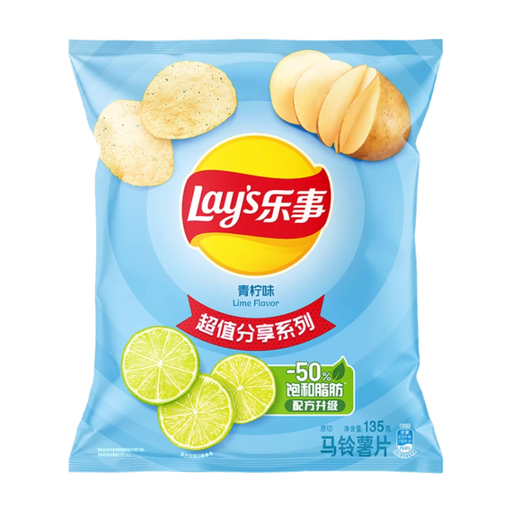
Why it suits this profile: An option for anyone who wants to serve a fresh, tangy lime flavour alongside plain crisps at a drinks gathering.
The flavour and allergen information are listed separately. The product information mentions, among other things, a possible risk of cross-contamination with gluten and the presence of phenylalanine.
135 g, thin, crunchy crisps and a distinctive lime flavour. Check the packaging if you have specific allergies.
We’ve put together a complete, up-to-date list of products that meet these strict selection criteria and the applicable European safety regulations.
It varies from product to product. Lay's Natural and Lay's Max Original are described as suitable for vegetarians in the product information. According to the product information, Croky Natural Potato Chips is listed as vegan and gluten-free. Always check the label, as seasoning blends or changes to the manufacturing process can affect whether a product is suitable.
Store potato crisps in a cool, dry place away from direct sunlight. Seal the bag as well as you can and, ideally, eat the crisps soon after opening. An opened bag can go soft more quickly as it absorbs moisture from the air.
Potato crisps are usually ready-to-eat snacks. Potato wedges, potato slices, rösti and duchess potatoes are frozen potato products that need to be cooked first, for example in an oven, pan, deep fryer or air fryer. So don’t just look at the potato flavour: check the cooking instructions and storage temperature too.
