
Vandaag of morgen in huis

Kwaliteit gegarandeerd

Welkomstaanbiedingen ontgrendelen: GRATIS bezorging | Tot 80% korting | Gratis 30 dagen JoyPlus-proefperiode
Download de app
Buying potato crisps seems simple, until you have to choose from dozens of flavours, pack sizes and brands. Whether you’re looking for Pringles, Lay’s crisps, spicy crisps or international potato snacks, eye-catching packaging and flavour names can hide the practical differences.
Watch out for these three common pitfalls:
First, choose a flavour that suits the occasion:
The ingredients list is more important than the front of the pack. Pay particular attention to allergens, such as gluten, milk, soya, celery, mustard and sulphites. Recipes and labelling can vary between international products, so always check the product packaging for the latest information.
A larger pack can be handy for a film night or party. A multipack of crisps with smaller bags is better suited to lunchboxes, the office or occasions when everyone wants to open their own portion.
A tub such as Pringles protects the stacked crisps and is described as resealable. A bag is often easier to share between several people, but once opened it can absorb moisture more quickly if it isn’t sealed properly.
Look out for:
Always compare nutritional information per 100 g, not just per bag or tub. For example, the product specifications for the selected potato crisps show energy values of around 489 to 558 kcal per 100 g. Salt content also varies considerably.
As well as energy, check:
A smaller pack doesn’t automatically mean the product has a different nutritional composition per 100 g. Portion sizes are mainly useful for keeping track of the total amount you eat.
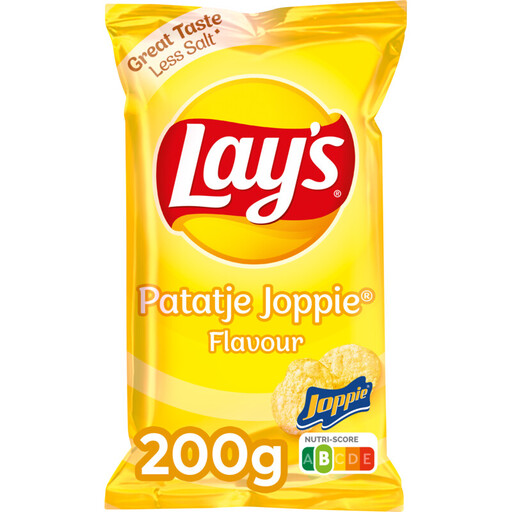
Why it suits this profile: A familiar Dutch flavour in a 200 g pack, suitable for enjoying at home or sharing.
The net weight and nutritional information are clearly stated. According to the product description, this variety contains 0.61 g of salt per 100 g and is listed as containing 6 to 7 portions of 30 g.
200 g pack, packed in a protective atmosphere, with a flavour profile featuring onion, garlic and herbs. Contains mustard.
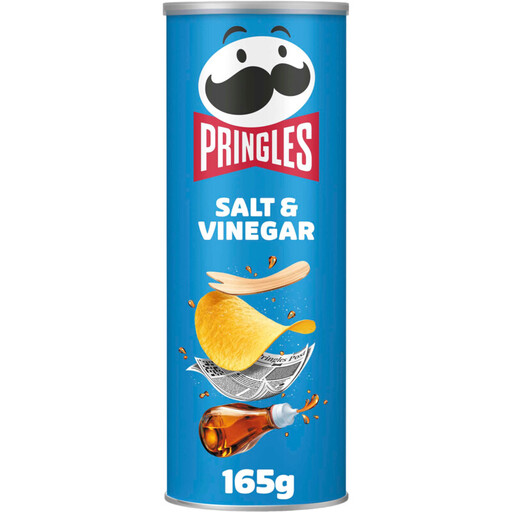
Why it suits this profile: The familiar shape and resealable tub make these crisps a good choice for drinks, parties and occasions when you want to serve them again later.
The pack is resealable, but still check the seal after opening and store the tub somewhere dry. The ingredients include gluten and milk.
165 g pack, resealable packaging and a distinctive salt and vinegar flavour. The product description lists 1.7 g of salt per 100 g.
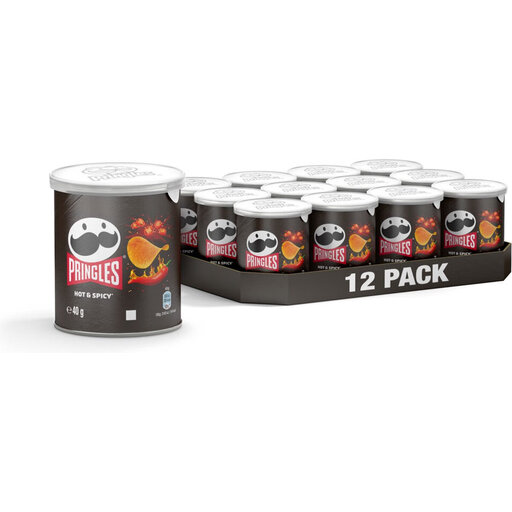
Why it suits this profile: Twelve individual 40 g packs are handy for parties, student houses, lunchboxes and snacking on the go.
The portions are pre-divided, so you don’t have to keep opening a large bag. The product description mentions chilli and savoury seasoning; the exact level of heat is a matter of personal taste.
12 x 40 g packs, easy to share and, according to the product information, free from the 14 major EU allergens. Check the current label before buying.
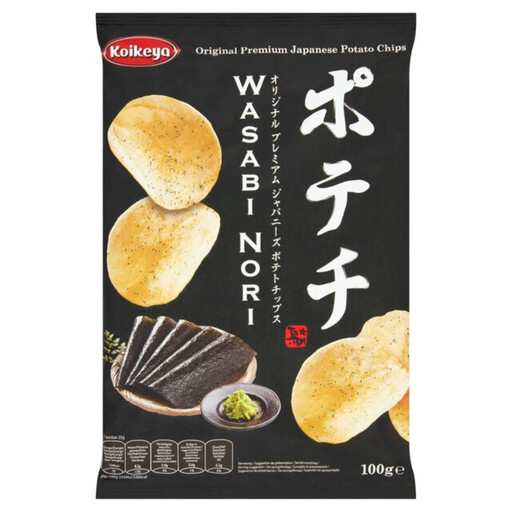
Why it suits this profile: Wasabi and seaweed offer a different flavour profile from traditional cheese, paprika or salted varieties.
The flavour is clearly described as wasabi and seaweed. The ingredients include wheat and soya; check the packaging if you have allergies.
100 g pack, familiar potato slices and a seasoning made with wasabi powder, seaweed, garlic and onion.
We’ve put together a complete, up-to-date list of products that meet these strict selection criteria and current European safety regulations.
Choose a larger bag or tub if everyone is happy to share the same flavour. If people have different preferences, a multipack of crisps is more practical. Small bags also mean you won’t need to open a large pack as often.
Store crisps in a cool, dry place away from direct sunlight and heat. Seal a bag as well as you can, or use the closure on a resealable tub. Moisture is a major cause of crisps losing their crunch. Always check the storage advice on the packaging too.
It depends on the ingredients and the current labelling. International crisps may contain milk, gluten, soya, celery, mustard or other allergens. So, before buying, read the full ingredients list and allergen information. If in doubt, don’t rely on the product photo or flavour name alone.
