
Manager of a growing image archive
You want to keep existing images and new additions without relying on a single external drive. The Library of Congress recommends keeping multiple copies on different storage media and in separate locations.


A portable HDD is a better fit for a growing collection that mainly needs plenty of storage space; an SSD is more practical if you regularly copy files or take the drive with you. Before buying, check the capacity you need and the connections available on the computers you use. Don’t keep your archive on just one drive: the Library of Congress recommends keeping copies on different storage media and in separate locations.
You want to keep existing images and new additions without relying on a single external drive. The Library of Congress recommends keeping multiple copies on different storage media and in separate locations.
You regularly copy files between devices or locations. Check the connections available on your computers and consider how you’ll transport the drive; manufacturers such as Samsung and Kingston list different connections and included accessories for each product variant.
If people are identifiable in the photos, privacy may be a consideration alongside storage. The Dutch Data Protection Authority regards identifiable images as personal data, so think about access and security too.
First, work out how much space your collection and planned growth will need, and how you’ll organise backups. Then compare transfer speeds and connections, and consider privacy and publication rights separately.
| What to consider | What to look for | Who is this important for? |
|---|---|---|
| Space for your collection | Check the size of your existing files, allow for expected growth and leave room for separate copies. | If I want to expand my collection, I’ll compare the capacity I need with the files I have. Around 25% of consumers put space for their collection and future growth first. |
| Separate copies | Decide where to keep your backups and check that the copied files can be read. | If I want to keep my archive safe if one copy is lost, I’ll plan to keep multiple copies. Around 25% of consumers prioritise keeping separate copies. |
| Copying time | Check the connections on both computers and the cables; advertised maximum speeds don’t guarantee transfer speeds. | If I regularly move large numbers of images, I’ll want to know whether my computers support the drive’s connection. Copying time is the top priority for around 20% of consumers. |
| Transport and connection | Check the port on each computer and which cables or adapters are included with the exact variant. | If I take the drive between devices or locations, I’ll want to use it without unnecessary connection issues. Around 15% of consumers focus mainly on transport and connections. |
| Photos featuring identifiable people | Decide who needs access and how to reduce the risk of losing a drive while it’s being carried. | If my collection includes identifiable people, I’ll want to manage storage security and access carefully. Around 15% of consumers put protecting these photos first. |
Even a high-capacity drive is still just one copy. If it’s lost or develops a problem, your only copy of the files could disappear.
Plan separate copies on different storage media and in different locations, and check that the files are readable after copying them.
Allow for the extra storage space and management needed for separate copies.
Your computer’s connection can limit the actual transfer speed. So a high advertised SSD speed doesn’t automatically mean your files will be copied at that speed.
Compare the connections on the drive and the computers you use, and don’t treat advertised maximum speeds as guaranteed performance.
Choosing an HDD, SSD or security feature doesn’t change copyright or privacy obligations. The Dutch Data Protection Authority regards images of identifiable people as personal data; the Dutch Government distinguishes between a private copy and distributing or publishing photos.
Consider rights, any required permission, access and security separately from your purchase.
The Expansion Portable range is a portable HDD option worth comparing if storage space is important.
The portable T7 and T9 SSD ranges are worth comparing if you regularly move files; your computer’s connection will also affect performance.
The XS1000 is a portable SSD range to consider for transferring files between supported USB-A and USB-C devices.
The X10 is a portable SSD range worth comparing if you’re looking at higher-capacity variants as well as transfer speeds.
The Rugged SSD4 is an SSD option worth comparing if you’ll transport it regularly and use it with a compatible host device.
These product options include portable HDDs for storage space and portable SSDs for regular copying. Compare the capacity and connections of the exact variant with your collection and computers.
 No image available
A portable SSD option for copying and taking portfolio images with you.
The title lists 1 TB and a read speed of up to 2000 MB/s. Check whether your computer’s connection supports the quoted speed; actual transfer speeds aren’t guaranteed.
 No image available
A portable HDD option for an image collection where storage space matters.
The title lists a capacity of 5 TB and a USB-C connection. Check that it’s compatible with the computers you use.
 No image available
A portable HDD option for storing and transporting portfolio images.
The title lists 2 TB. Before using it with macOS, check compatibility and make a safe copy first if reformatting is needed.
 No image available
A portable HDD option for an image collection where storage space is the priority.
The title lists 4 TB and USB Type-A / Micro-USB B. Check your computer’s connection and make a safe copy of your files before reformatting, if required.
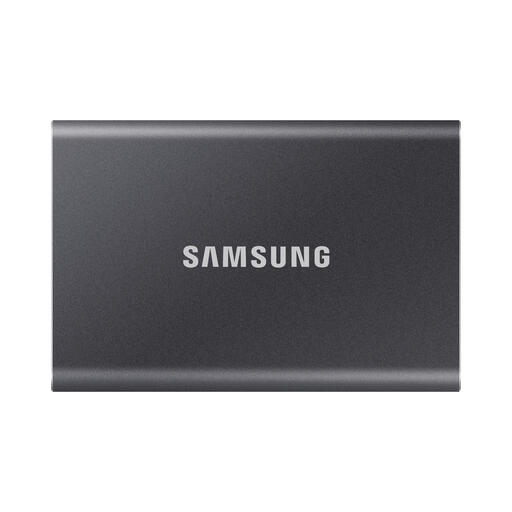 No image available
A portable SSD option for transferring files regularly.
The title lists 2 TB and USB Type-C 3.2 Gen 2. Check that the computers you’ll use with the drive support this connection.
No. Don’t delete the originals just because you now have a copy on an external drive. First, check the transferred files and organise separate copies on different storage media and in different locations; the Library of Congress recommends this approach to preservation.
That depends on the connection and the requirements of the exact variant. Check the ports and included cables; Seagate, for example, says the Expansion Portable needs to be reformatted for use with Time Machine. Don’t format a drive containing archive files before making a safe copy.
A private copy for personal use doesn’t automatically give you permission to distribute or publish copyright-protected photos. The Dutch Government makes this distinction; assess the rights and any required permission for the specific use separately.
According to the Dutch Data Protection Authority, images of identifiable people are personal data. An organisation must assess the appropriate legal basis and security measures; according to the DPA, consent is required in most cases to publish images online. The rules and measures that apply depend on the collection and how it’s used.
Yes. An additional manufacturer’s or seller’s warranty is separate from your statutory guarantee. The Dutch Government notes that if a product is faulty, the seller is your point of contact for a solution; check any additional warranty terms separately.