
Vandaag of morgen in huis

Kwaliteit gegarandeerd

Welkomstaanbiedingen ontgrendelen: GRATIS bezorging | Tot 80% korting | Gratis 30 dagen JoyPlus-proefperiode
Download de app
A portable Bluetooth speaker might seem simple to choose: check the size, compare the battery life and pick a colour you like. But marketing claims can hide important differences. A small speaker, for example, may not be loud enough outdoors, while a high IP rating doesn’t mean you can leave it underwater indefinitely.
Whether you’re travelling, camping, cycling, listening at home or throwing a party, three things matter most: real-world battery life, the level of protection and the balance between size and sound output. Read on to find out what to look for and which models suit different situations.
The stated playtime is usually a maximum. Volume, equaliser settings, lighting and the Bluetooth connection all affect power consumption. A speaker with lighting may therefore run for considerably less time than its claimed maximum playtime.
Check:
For example, the Tronsmart Bang 2 is listed as offering up to 26 hours of playtime with the LED lighting switched off and the volume set to around 50%. A shorter playtime is stated when the lighting is on. That difference matters when choosing a Bluetooth speaker for parties.
According to its technical product specifications, a waterproof Bluetooth speaker with an IP67 rating is dust-tight and suitable for temporary immersion under certain conditions. This makes it useful in the rain, at the beach or while camping. It doesn’t mean you can leave it in a swimming pool indefinitely.
Be aware of the difference between:
According to Sony’s product information, the IP67 rating is intended for use within the specified limits, and the USB-C cover must be closed securely. Salt water, chlorinated water and high-pressure jets can still cause problems.
A compact Bluetooth speaker is handy in a bike bag or rucksack, but smaller models usually have less power and a more limited bass response than larger wireless speakers. As well as marketing terms, look at:
A mono speaker can work well for podcasts, background music and personal use. For a group or a garden party, a more powerful model or two paired speakers make more sense.
For short bike rides, 6 to 10 hours may be enough. If you’re looking for a Bluetooth speaker with long battery life for a camping weekend or a long day outdoors, it’s worth looking for a stated playtime of at least 12 to 20 hours. Bear in mind that the manufacturer’s figure may differ from your own listening experience and volume level.
A built-in battery is convenient, but check the warranty, charging indicator and availability of a suitable cable too. Don’t leave a lithium battery in a hot car or in direct sunlight for long periods.
For an outdoor speaker, IP ratings are easier to verify than general terms such as “rugged” or “adventure-ready”. Choose an IP67 Bluetooth speaker if protection from dust and occasional immersion are important to you. IP66 may be enough for everyday use on a patio, as long as you don’t expect to submerge it.
After use, check that the port covers are properly closed, and only charge a wet speaker once it has dried.
Bluetooth 5.3 or 5.4 mainly tells you which connection standard the speaker uses; it doesn’t directly guarantee fuller sound. Also check the range, supported codecs and features such as pairing with a second speaker.
A Bluetooth speaker with stereo pairing can create a wider soundstage when you pair two identical speakers. This is useful for listening to music in a living room or garden. Just check that both speakers support the same pairing technology, such as TWS or a brand-specific app.
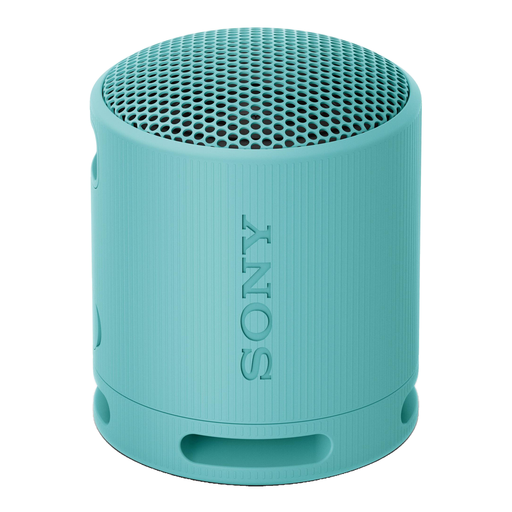
Why it suits this profile: According to the product specifications, the Sony SRS-XB100 weighs 274 grams and has a carrying strap. This makes it suitable for everyday use, travel and short trips without taking up much space in your luggage.
The specifications give clear figures for 16 hours of battery life, IP67 protection and USB-C, rather than relying on general claims about portability.
Bluetooth 5.3, 16 hours of stated battery life, IP67 and support for pairing with a second speaker.

Why it suits this profile: This model is aimed at people who want more sound power at home, outdoors or at a gathering. According to the product description, it delivers 34 W RMS and supports pairing two speakers.
The power output, speaker configuration and IP66 rating are listed separately, so you can weigh up volume and water protection more easily.
34 W RMS, Bluetooth 5.4, stereo pairing, USB-C and up to 9 hours of stated playtime.
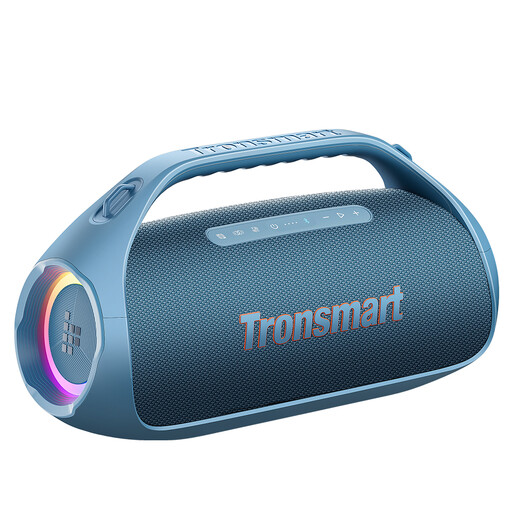
Why it suits this profile: This wireless speaker is designed for larger gatherings and outdoor use. According to the product specifications, it has a 90 W output, a handle and a detachable carrying strap.
The specifications list the IPX6 protection separately, as well as the difference in battery life with and without the lighting. This helps you avoid overestimating its capabilities.
90 W, up to 26 hours without lighting under the stated conditions, Bluetooth 5.3 and TWS pairing.
We’ve put together a complete, up-to-date list of products that meet these strict selection criteria and comply with current European safety regulations.
Switch on the speaker and activate pairing mode. Then open the Bluetooth settings on your smartphone, select the speaker’s name and confirm the connection. Some models have an app that offers extra features, such as an equaliser or stereo pairing.
Its lifespan depends on the battery, how often it’s charged, how it’s stored and whether it’s exposed to moisture or heat. A battery loses capacity over time. Use the supplied or a suitable USB-C cable, avoid fully draining the battery where possible and store the speaker somewhere dry.
A compact speaker uses relatively little power while playing music. Consumption increases at higher volumes, with the lighting switched on and when using additional connections. Charging costs are generally low for occasional use; the main practical consideration is whether the battery lasts long enough for your activity.
Buying tip: Start by deciding how you’ll use the speaker, then choose the battery life and IP rating you need. Next, compare power output, weight, charging port and stereo pairing. That way, you’ll pay for features you’ll actually use, rather than just an attention-grabbing marketing claim.
