What should you look for when buying?
Check reception where you’ll listen, how clearly speech carries from your seat, the power source and the controls. A stated speaker size or power rating alone doesn’t show how easy it is to understand speech in your living room.
| What to consider |
What to check before buying |
Who is this important to? |
| Reception of your chosen weather station |
Look up the station and how it broadcasts; check FM and/or DAB+ reception in your living room and whether you can save the station as a preset. |
If I want to follow a particular weather broadcast, I need to be able to receive it where I listen. Around 29% of consumers give reception of their preferred station top priority. |
| Clear speech from a distance |
Compare the speaker configuration and volume controls; listen to spoken radio from the distance you’ll be sitting at. |
If I’m sitting at the other end of the living room, I want to understand updates without having to keep moving the radio. Around 29% of consumers prioritise being able to hear clearly from a distance. |
| Listening without a mains socket |
Check whether the model uses removable batteries, a built-in rechargeable battery or a separate battery pack, and what comes with the radio. |
If I want to listen during a power cut, the radio needs to work without a mains socket. Around 24% of consumers make this their top buying priority. |
| Quick and easy tuning |
Check where the buttons are, how easy the display is to read and how to select preset stations. |
If I want to find a regular weather station quickly, I want to tune in without navigating complicated menus. Around 18% of consumers put ease of use first. |
Joybuy products
These Joybuy picks are portable radios with FM reception, including models with extra features for use away from a mains socket. Check that the listed features and power options suit where and how you plan to listen.
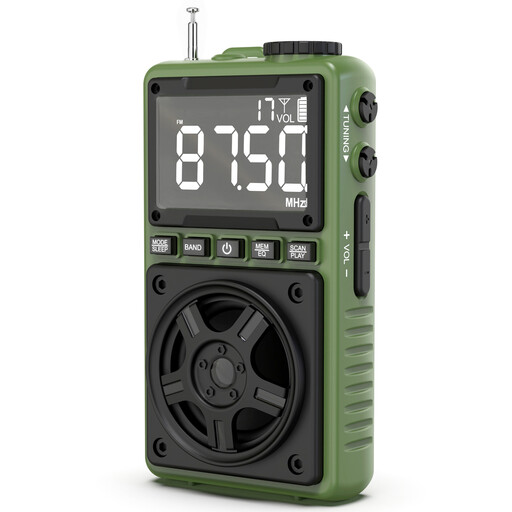 No image available
Bluetooth radio with AM, SW and rechargeable battery
The listed FM reception may suit anyone who wants to listen to an FM weather station and move the radio between listening spots.
The product name lists AM, FM and SW, Bluetooth, a speaker, a rechargeable battery, USB-C charging and TF card playback.
Joybuy
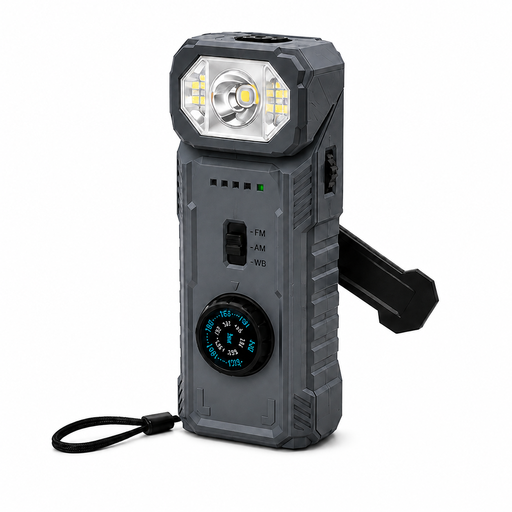 No image available
Emergency radio with 2000 mAh battery, AM/FM/SW and hand crank
The listed FM reception and battery power may suit anyone who wants to use a radio without a mains socket. Check that you can receive your chosen station at home.
The product name lists a 2000 mAh battery, AM/FM/SW, a hand crank and USB power.
Joybuy
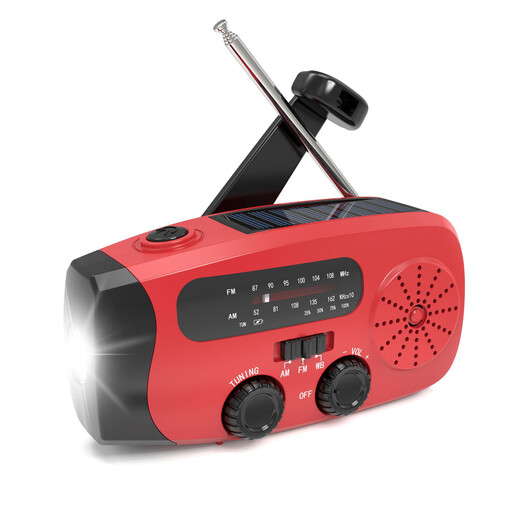 No image available
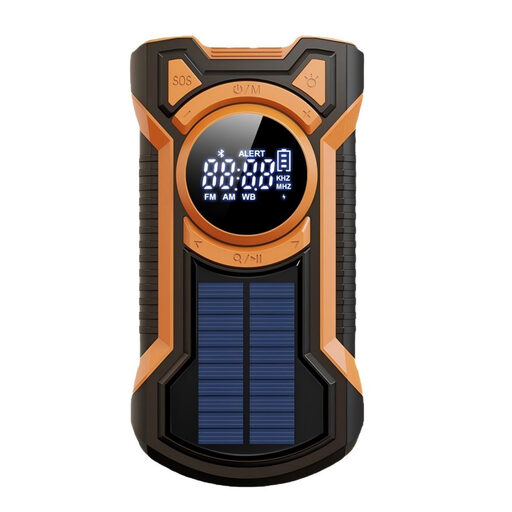
Emergency radio with AM/FM/WB and 2000 mAh battery
This model lists FM reception and several power options. Check which ones you need and whether you can receive your chosen station where you plan to listen.
The product name lists a 2000 mAh battery, hand-crank and solar charging, a telescopic torch and IPX-3.
Joybuy
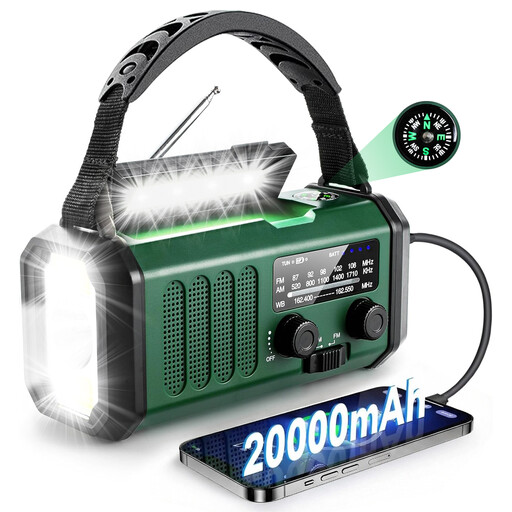 No image available
Solar emergency radio with 20,000 mAh battery and AM/FM
The listed FM reception may suit anyone who wants to receive an FM weather station; battery capacity alone doesn’t tell you how clearly speech will sound in a large living room.
The product name lists a 20,000 mAh battery, AM/FM, solar charging, a hand crank and an LED light.
Joybuy
 No image available
Emergency radio with AM/FM/SW, Bluetooth and 5000 mAh power bank
The product name lists FM and a built-in battery. Check that you can receive your chosen station where you plan to listen, and bear in mind that the extra features may affect how easy it is to use.
Listed features include Bluetooth, a 5000 mAh power bank, a hand crank, solar charging and USB-C.
Joybuy
Frequently asked questions
Does every radio automatically give you a KNMI weather alert?
No. A radio plays the broadcast you tune into; it doesn’t automatically give you a location-specific warning for your area. KNMI describes its app as a source of alerts. As of 23 October 2026, warnings still apply by province and to named water and island areas, with a move to flexible areas announced for November 2026.
How do I set up a radio to get information during an emergency?
Look up your regional emergency radio station and its frequency, then tune your radio to it. The Dutch government recommends noting the frequency on your radio; also check that you can receive the station at home.
Do I need a hand crank or solar panel to listen without mains power?
No, there are also battery-powered radios. The Dutch government includes a battery-powered or wind-up radio in its emergency kit advice. In a test of specific emergency radios, the Consumers’ Association warned that the hand-crank and solar-panel features tested weren’t reliable as the main way to charge them.
What can I do if my radio turns out to be faulty after purchase?
If you buy a product in the Netherlands and it’s faulty, the seller must provide an appropriate solution. The Dutch government says there’s no single fixed statutory guarantee period for all products; what you can expect depends, among other things, on the product and the information provided.


