
On-the-go copy editor
You write and edit longer newsletter articles at a small table and want to leave enough room for your screen, hands and possibly a mouse.


Start with the device you use to edit your newsletter, then check the keyboard layout, size and feel of the keys. A compact keyboard may suit a small café table, while extra features such as backlighting may matter more if you’re happy to accept a little extra weight or keep an eye on charging. Manufacturer descriptions such as ‘quiet’ are not independent sound measurements.
You write and edit longer newsletter articles at a small table and want to leave enough room for your screen, hands and possibly a mouse.
You type in a shared space and want to consider key noise and distracting keystrokes, without assuming that a keyboard will be silent.
You switch between devices such as a laptop and tablet, and want to check the connection, operating system and keyboard layout in advance.
First, check that the keyboard works with the device you use for editing and has the right layout. Then compare its size and feel with the space you have and the kind of work you do in a café.
| What to consider | What should you check? | Who might find this especially important? |
|---|---|---|
| Portability and table space | Check the width, weight, protection in your bag, and the position of the navigation and arrow keys. | If you work at a small café table, you’ll want to leave room for your screen and hands. Around 31% of consumers prioritise portability and table space. |
| Key feel and noise | Compare the shape and feel of the keys with your preferences; try the keyboard yourself if possible. | If you edit longer pieces in a shared space, you’ll want keys that feel comfortable and will need to consider the noise. Around 31% of consumers prioritise a quiet, comfortable typing experience. |
| Connection and layout | Check the operating system, Bluetooth or required USB receiver, and the physical keyboard layout. | If you switch between a laptop and tablet, you’ll want the connection and key labels to suit your devices. Around 25% of consumers prioritise device compatibility. |
| Power on the go | Check whether the model is rechargeable, which cable it needs and whether batteries are included. | If you work on the go, you’ll want to know whether you need to charge it or replace the batteries. Around 13% of consumers base their choice mainly on the power source. |
Keyboards with the same model name can differ in compatibility or physical layout. For example, one HP 350 model may have a Belgian AZERTY layout.
Before buying, compare the full product name, the layout shown and compatibility with your device.
A device or keyboard layout that isn’t right for you could mean having to exchange the keyboard.
Logitech and Trust describe certain models as quiet, but these manufacturer descriptions aren’t comparable sound measurements for the way you type.
Consider the shape and feel of the keys, and try the keyboard before deciding if you can.
A product page being visible doesn’t guarantee that the model is still available or matches the version you’re looking for.
Before ordering, check current availability, the full product name and the keyboard layout.
The Pebble Keys 2 K380s and MX Keys Mini are two compact models with different features.
The Lyra is a compact option if you’re looking for a keyboard that connects to multiple devices.
The 350 Compact is worth considering if you want a compact model with standard-size keys and replaceable batteries.
The Magic Keyboard (USB-C) model reviewed is a compact option for a compatible Mac, iPad or iPhone.
The K3 Max is a compact mechanical option if customisation matters to you.
These keyboard options for writing newsletters on the go range from compact mechanical and folding models to a full-size keyboard and a keyboard case designed for a specific iPad Pro. Pay particular attention to the size, layout and compatibility with the device you use for editing.
 No image available
The compact 75% layout may suit you if you’re looking for a mechanical keyboard for a smaller workspace.
The product name lists a QWERTY US layout and wired, Bluetooth and 2,4 GHz connections; check that the layout suits your editing work.
 No image available
The compact 75% layout is an option if you want to take a mechanical keyboard with you for newsletter work.
The product name lists QWERTY US and wired, Bluetooth and 2,4 GHz connections. Check the layout and connection before ordering.
 No image available
This folding model with touchpad is an option if you’re looking for a keyboard for mobile use.
The product name mentions Bluetooth and compatibility with tablets, smartphones and computers. Check that the connection and layout suit the device you use for writing.
 No image available
This rechargeable wireless keyboard may suit you if you’d rather charge it than replace batteries when working on the go.
This is a full-size model, so consider whether it will fit on your café table and in your bag.
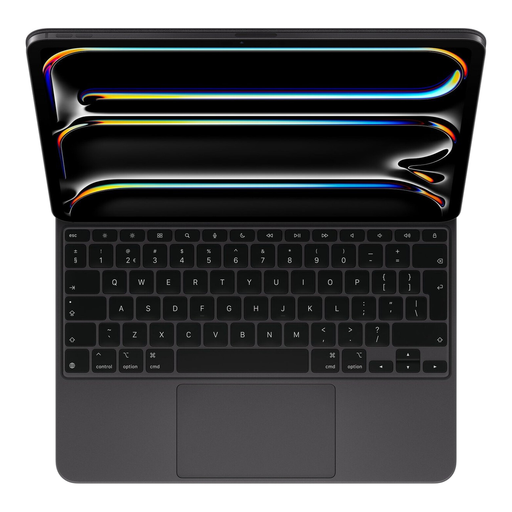 No image available
This keyboard is only suitable if you use the iPad Pro 13-inch (M4) specified.
Before ordering, check compatibility and make sure the Dutch QWERTY layout shown matches your preference.
First, check which connections your devices support. Trust lists two Bluetooth connections and a USB receiver for the Lyra; your device will need a compatible port for the receiver.
Follow the instructions for the exact model and check the connection to your editing device before you leave. Also consider the power source: Trust describes the Lyra as rechargeable, while HP lists two AAA batteries for the 350 Compact.
No. According to ACM ConsuWijzer, your statutory guarantee depends on what you could reasonably expect from the product under normal use; a seller’s or manufacturer’s guarantee doesn’t limit this right. Online purchases also generally come with a 14-day cooling-off period after delivery, subject to legal exceptions.
Check that the actual product bears the correct CE marking. The Dutch Authority for Digital Infrastructure also states that wireless equipment must meet the applicable radio equipment requirements; a product listing alone doesn’t confirm that an individual item complies.