What should you look for when choosing one?
First, measure the space left over once your screen, paper and mouse are in their usual positions. Then work out which keys, connections and devices you need for your annotation work.
| What to consider |
What to look for |
Who is this important for? |
| Space for your paper and mouse |
Measure the available width and depth with your screen, paper and mouse in their actual positions; compare this with the dimensions of the version you’re considering. |
If I use my paper, screen and mouse together on a small work surface, I want to know how much space the keyboard will take up. Around 36% of consumers put space for their paper and mouse first. |
| Navigation and annotation |
Check the layout of the arrow, navigation and Fn keys, and try out the tasks you need to do in your own annotation software. |
People who navigate documents frequently often want to carry out common actions easily, without awkward key combinations. An estimated 29% of consumers prioritise navigation and annotation. |
| Taking it between workspaces |
Check whether the keyboard fits in your bag, how the keys are protected and whether you’ll need a separate stand or mouse when you’re out and about. |
If I often change where I study, I want to be able to take my keyboard with me easily and use it comfortably there too. Around 21% of consumers make portability their main priority. |
| Using it with your own device |
Make a note of your device model, operating system version, connection and preferred physical layout; check these against the exact version you’re considering. |
People who switch between devices or use a tablet want to know in advance whether the keyboard will work with them. An estimated 14% of consumers prioritise compatibility. |
Joybuy product picks
This selection includes compact standalone keyboards for small work surfaces and a keyboard case for a specific iPad model.
 No image available
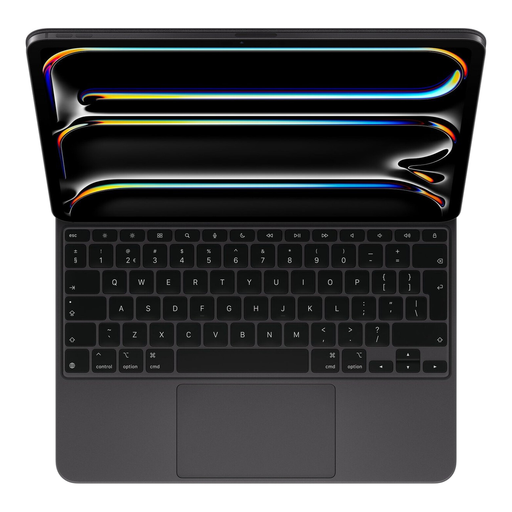
Apple Magic Keyboard for iPad Pro 13-Inch (M4)
An option if you use an iPad Pro 13-inch (M4) and want a keyboard case; this isn’t a universal standalone keyboard.
View at Joybuy
 No image available
Ajazz AK820 Pro 75% Mechanical Tri-Mode Keyboard, QWERTY US
Worth considering if you’re looking for a compact 75% layout and several connection options; the product name lists wired, Bluetooth and 2.4 GHz connections.
View at Joybuy
 No image available
Voxis B033 foldable Bluetooth keyboard with touchpad
An option if you’re looking for a foldable keyboard with a touchpad to take between workspaces; check that the stated device support is compatible with your equipment.
View at Joybuy
 No image available
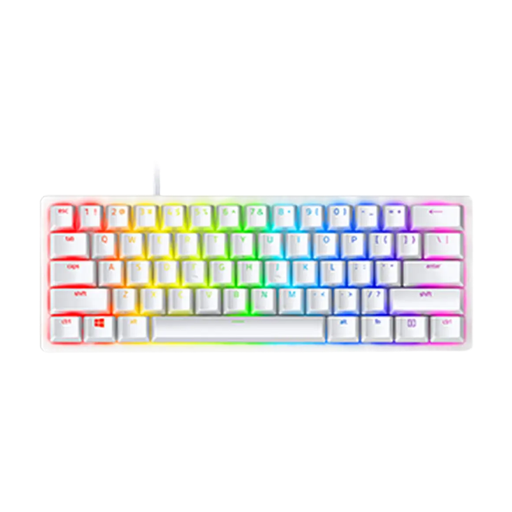
Razer Huntsman Mini, Linear Optical Switch, US, Mercury
Worth comparing if a compact setup is important to you. The product name lists Linear Optical Switch and a US layout; check that this layout suits the way you work.
The product information describes a wired USB-C connection, which may be less practical if you often change workspaces.
View at Joybuy
 No image available
MageGee TS91 60% wired keyboard, QWERTY US, 61 keys
Worth comparing if you want a compact setup; the product name lists a 60% layout and 61 keys.
This model is wired, which may be less practical if you often change workspaces.
View at Joybuy
Frequently asked questions
Do you need a separate keyboard to annotate papers on a laptop?
Not every home user does. For employees who work at a screen for more than two hours a day, Arboportaal describes regulations requiring the screen and keyboard to be positioned separately. When using a laptop, it must therefore be possible to use a separate screen or keyboard; whether this applies depends on the working situation.
How should you set up a small workspace?
Position the screen directly in front of you and try to keep your shoulders, wrists and forearms relaxed. Vary your posture and tasks. TNO explains that a narrow keyboard can help you position the mouse closer, but it won’t solve problems caused by a work surface that’s too small or poorly arranged.
How do you connect a portable keyboard?
Follow the instructions for the version you’ve chosen and check that your device supports its connection method. Logitech lists Bluetooth for the Pebble Keys 2 K380s; CHERRY also lists a 2.4GHz receiver and a wired connection for the KW 9200 MINI.
Can you use a keyboard case with any iPad?
No. Check your exact iPad model first, then choose a keyboard case designed for it. Apple’s choice of iPad keyboard depends on the model.
What are your rights if you don’t like the keyboard or it breaks?
According to ACM ConsuWijzer, online purchases generally come with a 14-day cooling-off period after delivery, subject to legal exceptions. You’re also entitled to a product that, under normal use, meets what you could reasonably expect. If a product is faulty, the seller is responsible for providing an appropriate solution.


