For a grant application in the library, a slim, compact Bluetooth keyboard is a good choice if you’re using your own device and have limited table space. Choose a folding model with a number pad if you have more room and often enter budget figures. Start by checking device compatibility and the physical keyboard layout, then consider the key feel and packed size. Finally, check that the exact model has the correct CE marking.
Who is a portable keyboard for the library suitable for?
Writers in a quiet study space
If you’re writing long texts alongside other visitors, a low-profile design or a different type of key may matter. Trust and Logitech describe features of their keyboards, but these manufacturer descriptions aren’t independent noise measurements.
Writers using a laptop or tablet
If you bring your own device, you could consider a separate keyboard, provided there’s enough room on the table for the screen, keyboard and any notes. A compact design can make it easier to carry, but check that it also fits your workspace.
Applicants who are also working on a budget
If you enter a lot of figures, weigh up whether a separate number pad is worth the extra table width. ProtoArc lists the XK01 as having a full-size layout with 105 keys and a number pad when unfolded.
What should you look for in a portable keyboard for the library?
Slim, compact Bluetooth keyboard
A good choice if: you’re using your own laptop, tablet or phone, have limited table space and don’t need a number pad.
Keep in mind: the physical keyboard layout and key feel; claims about quiet or comfortable typing aren’t based on independent tests.
Folding keyboard with number pad
A good choice if: you enter a lot of budget figures while writing and want to take a wider keyboard with you.
Keep in mind: the table width you’ll need when the keyboard is unfolded, and the regional layout of the exact model.
Wired keyboard
A good choice if: you don’t want to or can’t use Bluetooth, and your device has the right port.
Keep in mind: the cable and full-size layout, and ask permission before connecting a keyboard to a public library computer.
| What to consider |
What to look for when buying |
Who is this important for? |
| Key noise |
Check the type of key mechanism and, if possible, assess the sound and feel of the exact model. |
When I’m working alongside other people, I want to type without disturbing them unnecessarily. Around 25% of consumers say quiet keys are their main concern when buying. |
| Typing for long periods |
Check the physical key size and the position of the navigation keys; see whether you can position the screen and keyboard comfortably apart. |
When working on a long application, I want to type accurately without having to keep adjusting to a different key feel. Around 25% of consumers prioritise writing text for long periods. |
| Packed size and table space |
Compare the packed size with the keyboard’s width when in use, and decide whether you’ll need a cover or bag. |
When I bring my own device and papers, the keyboard needs to fit alongside them. Around 20% of consumers say portability and table space are their main concerns. |
| Connection |
Check that the keyboard works with your device and operating system, and that Bluetooth or the available port is suitable for that model. |
I want to know how the keyboard connects to my device before a writing session. Around 15% of consumers say connectivity is a deciding factor when buying. |
| Keyboard layout |
Check the physical key markings and the full model code; don’t rely on the product family name alone. |
For punctuation and editing, I want to know which physical layout I’ll get. Around 15% of consumers say the keyboard layout is their main requirement when buying. |
What to watch out for when buying a portable keyboard
-
Assuming every model has the same keyboard layout
Products in the same range can have different regional layouts. For example, a Belgian AZERTY model isn’t the same as a Dutch version.
Before buying, check the full model code, a photo of the physical key markings and the input settings you want to use.
-
Only checking how small the keyboard is in your bag
A folding design may take up more room when in use. ProtoArc lists the XK01 as having an unfolded width of 386,39 mm.
Measure the usable table space alongside your device and documents, then compare it with the dimensions of the unfolded keyboard.
-
Assuming the product name confirms you’re getting the right model
A Lyra listing may refer to a keyboard and mouse set rather than the keyboard on its own. The product name alone doesn’t make these models the same.
Check the product details for the exact model and bundle before ordering.
Keyboard brands worth comparing
Logitech
The Keys-To-Go 2 is designed to be easy to carry, with a cover, while the Pebble Keys 2 K380s is a compact model with flat keys.
- Logitech says both models can switch between up to three devices. The Keys-To-Go 2 has a built-in cover, according to Logitech.
- Descriptions of a comfortable or quiet typing experience are manufacturer claims, not independent typing or noise measurements. Check the physical keyboard layout of the model.
Trust
The Lyra and Nado II are compact models with scissor keys; the wired Primo is an alternative if you don’t want to use Bluetooth.
- Trust lists a rechargeable battery for the Lyra and a low-profile design for the Nado II.
- Claims about quiet keys come from Trust and aren’t based on independent comparisons. If you’re considering a wired Primo, check that its connection is suitable for your device.
HP
The HP 350 Compact Multi-Device is designed for portability and use with multiple personal devices.
- HP lists standard-size keys, Bluetooth 5.2, pairing with up to three devices and two AAA batteries included.
- Check the regional model: a Belgian AZERTY model has a different layout from a Dutch version.
CHERRY
The KW 7100 MINI BT is a compact Bluetooth model supplied with a carry case.
- CHERRY lists scissor keys, three Bluetooth channels and adjustable feet.
- Confirm the physical keyboard layout for the exact model. Descriptions of how the keys feel aren’t based on independent typing tests.
ProtoArc
The XK01 is a folding option for anyone who wants to use a number pad while writing.
- ProtoArc lists the XK01 as having 105 keys and an unfolded width of 386,39 mm.
- When unfolded, it takes up more table space. Check the regional model and exact keyboard layout.
Joybuy products for writing on the go
These Joybuy products are options to consider for typing on your own mobile device. Check device compatibility and the physical keyboard layout of the exact model. The Dutch Authority for Digital Infrastructure states that electrical and electronic equipment must have the correct CE marking; check this for the model you choose.
 Image unavailable
NAXSIR folding Bluetooth keyboard with magnetic stand, grey
An option to consider if you’re looking for a folding keyboard to take with you for use with a mobile device.
The product name describes a rechargeable model with an aluminium casing and a magnetic stand.
Joybuy
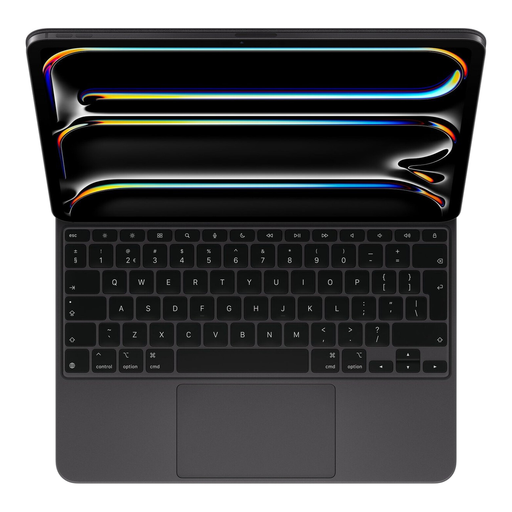 Image unavailable
Apple Magic Keyboard for iPad Pro 13-inch (M4)
An option to consider if you write on your own iPad Pro 13-inch (M4).
The product name specifies this iPad model; check that it matches your exact device.
Joybuy
 Image unavailable
Trust Lyra keyboard and mouse set, US English QWERTY, blue
This set is worth considering if you want to take both a keyboard and a mouse with you.
The product name specifies RF wireless and Bluetooth. The set doesn’t include a separate number pad; also check that US QWERTY suits your needs.
Joybuy
 Image unavailable
Voxis B033 folding Bluetooth keyboard with touchpad
An option to consider if you’re looking for a folding keyboard with a touchpad to use with a mobile device.
The product name specifies support for tablets, smartphones and computers. Check that the model is suitable for the device you’re taking with you.
Joybuy
 Image unavailable
Apple Magic Keyboard Universal, USB + Bluetooth, Dutch QWERTY, black
An option to consider if you’re looking for a keyboard with a Dutch QWERTY layout for writing.
The product name specifies USB + Bluetooth. Bear in mind the stated width of 41,87 cm when planning your table space and how to carry it.
Joybuy
Frequently asked questions about portable keyboards for the library
Can I connect my keyboard to a library computer?
It depends on the library and the computer. Ask permission first and check whether the available port or Bluetooth pairing is allowed; compatibility with your own device doesn’t tell you anything about the rules for using a public computer.
How should I set up my space for a long writing session?
Check that your screen and keyboard are positioned so you can work comfortably, and reassess your setup if you move to another seat. Arboportaal provides advice on assessing a workstation; the rule about using a separate screen and keyboard for more than two hours of screen work applies to employees under the stated conditions, not automatically to every library visitor.
What if the keyboard is uncomfortable to type on or breaks quickly after an online purchase?
For a standard online purchase, you generally have a statutory cooling-off period of up to 14 days after delivery, although legal exceptions may apply. ACM ConsuWijzer explains this cooling-off period. If a product doesn’t meet the reasonable expectations you’re entitled to have when using it normally, the seller must offer an appropriate solution under the statutory guarantee. The cooling-off period and guarantee are separate rights.
Which product marking should I check in the Netherlands?
Check that the exact model has the correct CE marking. The Dutch Authority for Digital Infrastructure states that electrical and electronic equipment must have this marking, and that applicable European radio equipment requirements apply to wireless devices. A product listing alone doesn’t confirm that the marking on the item supplied is correct.


