
Custard maker who wants to adjust the heat
Wants to turn the heat down as the custard thickens, and has time to keep stirring across the base and around the sides. Weekend Bakery’s vanilla custard recipe emphasises the need for constant stirring.


A portable induction hob is a sensible choice if your saucepan has a flat, magnetic base and fits the hob’s size range. If you want to use a pan that isn’t suitable for induction, a conventional electric hotplate may be a better fit, but it retains residual heat after being switched off. Keep stirring the custard and check the pan size, clearance space and electrical connection too: a selected setting doesn’t guarantee that the custard won’t catch.
Wants to turn the heat down as the custard thickens, and has time to keep stirring across the base and around the sides. Weekend Bakery’s vanilla custard recipe emphasises the need for constant stirring.
Wants to keep using their own pan for dessert. The Consumers’ Association recommends a flat, magnetic pan base for induction; also check that the pan is the right size for the hob.
Wants an extra hob for dinner without altering the worktop. A portable hob still needs enough workspace and a suitable electrical connection.
A good fit if: you have a flat, magnetic pan and want to adjust the heat while stirring.
Bear in mind: the pan base must fall within the specific model’s size range; the settings don’t measure the custard’s temperature.
A good fit if: you want to keep using a pan that isn’t suitable for induction.
Bear in mind: the hotplate itself heats up and retains residual heat after being switched off; move the pan off the heat if needed.
A good fit if: you’re looking for a permanent addition to or replacement for your kitchen setup, as well as a way to make dessert.
Bear in mind: some high-powered built-in hobs have more demanding connection requirements; the Consumers’ Association notes that this includes appliances with a connected load above 3.65 kW.
| What to consider | What to look for | Who it matters to |
|---|---|---|
| Adjusting the heat | Compare the settings and controls; a selected temperature isn’t a measurement of the custard itself. | When I make custard, I want to adjust the heat while stirring constantly. Around 33% of consumers prioritise heat control when thickening custard. |
| Using your own pan | Check that the base is flat and magnetic, and falls within the model’s size range. | I want to keep using my trusted saucepan for dessert, so I check the base first when choosing an induction hob. Around 27% of consumers consider keeping their existing pan the most important factor. |
| Extra cooking zone | Measure the space for the appliance and leave the recommended ventilation clearance unobstructed. | For a dinner party, I want an extra hob without having to remodel my kitchen. Around 20% of consumers mainly need an extra cooking zone. |
| Positioning and connection | Follow the model-specific instructions and consider other appliances on the same circuit. | I want to know whether the hob will fit safely on my worktop and whether the connection is suitable for my kitchen. Around 20% of consumers prioritise positioning and connection. |
A setting on the hob doesn’t tell you the temperature the custard itself reaches. The recipe calls for constant stirring, across the base and around the sides.
Check how to use the settings and try the hob with your own pan before the dinner party. Keep stirring as the custard thickens.
An induction hob only works with a suitable, flat, magnetic base. The base also needs to be the right size for the model you choose.
Check your pan before buying. If it isn’t suitable for induction, compare conventional electric hotplates too.
A freestanding hob needs space around the appliance; the recommended ventilation clearance varies by model. Other appliances on the same circuit may also be a factor.
Measure the space according to the instructions and check which appliances will be running on the circuit at the same time during the dinner party. In the Netherlands, CE marking is mandatory for electrical products placed on the market. The Netherlands Food and Consumer Product Safety Authority explains that CE marking alone isn’t proof of an independent safety assessment.
A conventional hotplate heats the plate itself first, and it can continue to transfer heat to the pan after being switched off.
Allow for residual heat as the custard thickens and move the pan off the hob if needed. Let the hotplate cool before moving or putting it away.
The KI120T is a portable induction hob with one cooking zone, designed to provide an extra hob.
The 303010 is a freestanding induction hob with adjustable power, temperature and timer settings.
The range includes both a conventional single hotplate and an induction model, with different features.
The Touch 2000 is a portable induction hob to consider if you need a wider pan size range.
These product picks are portable induction hobs with a single cooking zone, for anyone looking for an extra hob during a dinner party. For each model, check that your pan base is suitable and falls within the stated size range.
 No image available
Suitable if you’re looking for an extra induction cooking zone and want to adjust the power using preset settings.
1000 W; five power settings. Only use pans suitable for induction.
 No image available
An option if you want to choose between power and temperature settings while stirring.
2000 W; ten power settings; temperature setting from 60–240 °C; timer up to three hours. Suitable for induction pans measuring 12–26 cm.
 No image available
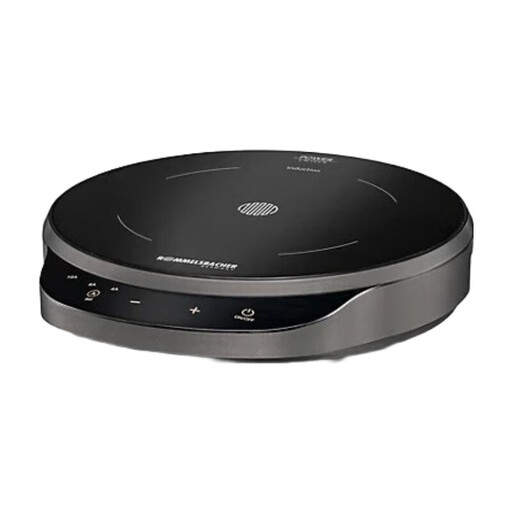
A good fit if you’re looking for an extra cooking zone and want to match the pan size to the cooking zone.
Maximum 1800 W; nine power settings; pan detection; suitable for pans measuring 12–20 cm. The description mentions a Power Switch function for adjusting the power.
 No image available
Suitable if you want to adjust the heat across several settings while stirring.
Ten power settings and ten temperature settings from 60–240 °C; 180-minute timer with automatic shut-off. Suitable for pans measuring 12–23 cm with a ferromagnetic base.
 No image available
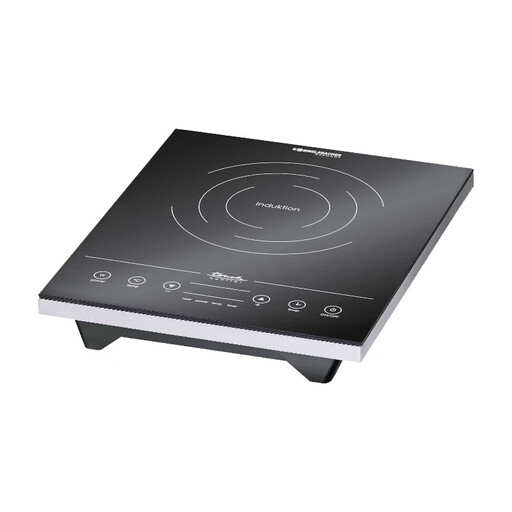
An option if you want to compare an extra induction zone with a timer.
Ten temperature settings; 180-minute timer with automatic shut-off; residual heat indicator. The stated cooking zone is suitable for pans measuring 10–20 cm.
Check that the base is flat and magnetic, and that its size falls within the range for the specific model. Inventum lists a pan size of 15–20 cm for the KI120T; this range doesn’t automatically apply to other hobs.
Don’t assume so: the vanilla custard recipe calls for low heat and constant stirring, across the base and around the sides. A temperature setting on the hob isn’t the same as measuring the custard’s temperature.
Let the custard cool, cover it and put it in the fridge within two hours of making it. The Netherlands Nutrition Centre recommends a fridge temperature of 4 °C. If the recipe contains raw egg that remains uncooked, also bear in mind the separate advice for guests who are more vulnerable.
Not necessarily: the Consumers’ Association says that most portable induction hobs can be plugged into a standard earthed socket. Check the instructions and the available circuit. Some high-powered built-in hobs may have different connection requirements; have the connection assessed by a qualified professional.
CE marking is mandatory for electrical products placed on the Dutch market. According to the Netherlands Food and Consumer Product Safety Authority, CE marking alone doesn’t prove that an individual product has been independently assessed. When you buy as a consumer, you have a legal guarantee from the seller; the Dutch government states that there is no fixed statutory period for this in the Netherlands.