
If you want to simmer compote gently
You’re making a small amount of berry compote and want to be able to adjust the heat as it cooks. Stay by the pan: settings and timers don’t independently measure how evenly a particular hob cooks compote.


First, choose a spot where the hob and pan will fit securely, then check that your pan and power supply are suitable. Induction is an option if your pan has a magnetisable base and you want to adjust the heat quickly. Ceramic and traditional electric hobs give you more choice of pans, but you’ll need to take care around the hot cooking zone after use.
You’re making a small amount of berry compote and want to be able to adjust the heat as it cooks. Stay by the pan: settings and timers don’t independently measure how evenly a particular hob cooks compote.
You’ll need room for the whole hob, the pan and a stable set-up. The diameter of the cooking zone doesn’t tell you how much space the entire appliance takes up.
You want to know whether your pan is suitable for the cooking technology you choose. For induction, the base must be magnetisable and fall within the range specified for the model.
A good fit if: your pan is induction-compatible and you want to adjust the heat quickly while simmering.
Bear in mind: check that the base is magnetisable and that its diameter is supported by the exact model.
A good fit if: you want a ceramic hob and would like to keep using your existing pan.
Bear in mind: allow for residual heat and check the overall dimensions. Rommelsbacher states that the CT 1800/E measures 30,5 × 41 × 7,5 cm.
A good fit if: you want a rotary control or have a pan that isn’t suitable for induction.
Bear in mind: a cast-iron hotplate can stay hot after it’s switched off. Let the appliance cool down before putting it away.
Measure the space needed for the whole appliance and pan. Then decide which cooking technology suits your pan and compare the controls for gentle simmering.
| What to consider | What should you check? | Who is this important for? |
|---|---|---|
| Adjusting the heat | Check the controls and settings on the exact model. Don’t treat them as a measurement of the temperature while cooking. | If I want to simmer compote gently, I need to be able to adjust the heat and stay by the pan. Around 36% of consumers prioritise temperature control. |
| Worktop space | Compare the hob’s overall dimensions with the space available, and leave room for the pan and cable. | I want to fit the hob and pan securely without overlooking the worktop space I have available. Around 29% of consumers focus primarily on space. |
| Existing pan | For induction, test the base with a magnet and check the pan diameter specified for the model. | If I want to keep using my current pan, I need to know whether it’s compatible with the cooking technology and the supported diameter range. Around 21% of consumers prioritise pan compatibility. |
| Power supply and use | Check the appliance’s specified power rating and read the manual. The Fire Service advises plugging high-power appliances directly into a socket, rather than using an extension block or cable reel. | I want to check in advance how I can connect and use the appliance in the space available. Around 14% of consumers focus primarily on the power supply. |
The maximum power rating doesn’t show how well a hob controls the heat on a low setting. A selected setting alone doesn’t prove how consistently it will cook compote.
Compare the controls and supported pan range for the exact model, and stay by the pan while it simmers gently.
The whole hob takes up more room than just the cooking zone. On a narrow worktop, there also needs to be space for the pan and a stable set-up.
Measure the space available and compare it with the model’s overall dimensions before you choose.
Induction only works with suitable pans that have a magnetisable base. The pan size must also be right for the model.
Test the base with a magnet and check the specified diameter range before you order.
The KI120T is an example of a compact induction hob with a single cooking zone.
The CT 1800/E is an example of a freestanding ceramic hob.
The KP 1091 is an example of a traditional single electric hotplate with a rotary temperature control.
The KP-6191 is an example of a traditional electric hob with a rotary control.
The ProSlim 2000 is an example of a portable induction hob with specified pan sizes and control settings.
This selection includes portable induction hobs and a traditional electric hotplate for cooking on a limited worktop.
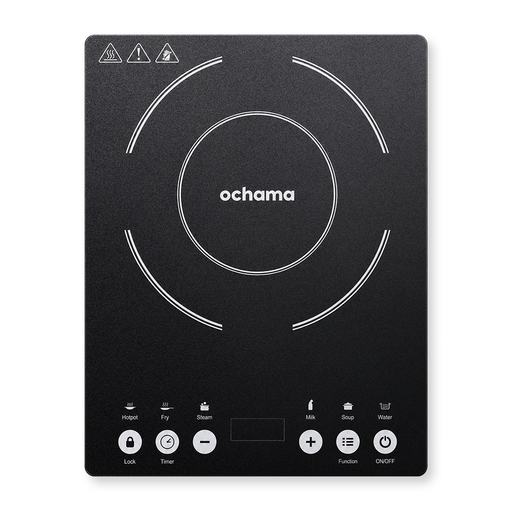 No image available
A portable induction hob for adjusting the heat while cooking. Use only suitable pans with a magnetic base.
The product name lists 2000 W.
 No image available
An induction option for matching your pan size to the hob. The product description specifies induction pans with a flat base.
The product name lists a single cooking zone and 2000 W. According to the product description, the specified pan range is 12–26 cm.
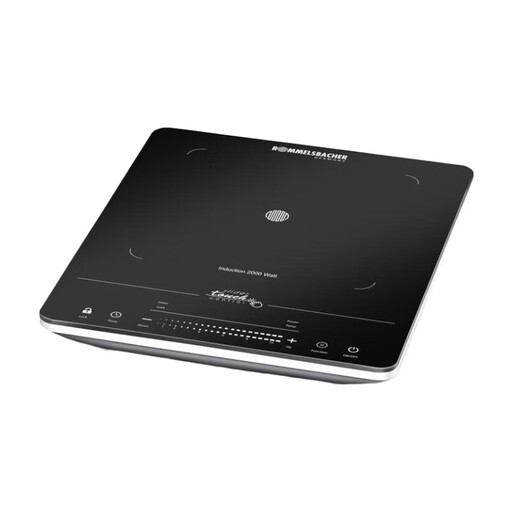 No image available
An induction hob for adjusting the heat while cooking. According to the product description, it only heats suitable induction pans.
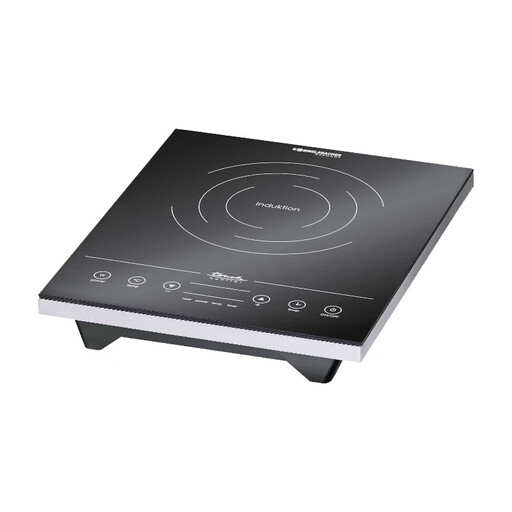 No image available
An induction hob for comparing the full overall dimensions with a limited space. The product description states that it isn’t suitable for pans that aren’t induction-compatible.
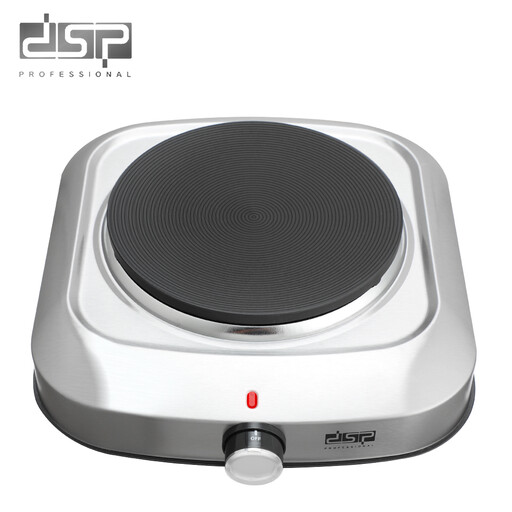 No image available
A traditional electric option if you’re considering an alternative to induction. The product description specifies an adjustable temperature control.
For first use, the product description recommends running the hotplate for 3–5 minutes in a well-ventilated area, as it may produce an odour and a little smoke.
Check with a magnet whether the pan base is magnetisable, then compare its diameter with the hob’s supported range. Milieu Centraal recommends the magnet test as a check. The 15–20 cm range Inventum specifies for the KI120T doesn’t automatically apply to other models.
No. Use a timer as a reminder and stay by the hob. The Fire Service advises staying nearby while cooking and keeping flammable materials away from the hob.
Let the hob cool down first and follow the manual for the exact model. A residual heat indicator, such as the one Rommelsbacher specifies for the CT 1800/E, doesn’t mean you can touch the surface or put the hob away straight away.
Milieu Centraal advises asking your pacemaker technician or cardiologist whether it’s safe for you to cook on induction. This advice applies to this specific situation; it isn’t a general restriction for other users.
CE marking is required for electrical equipment that falls within the scope of the EU rules on low-voltage equipment. EUR-Lex describes the marking as part of the applicable EU framework; it isn’t an independent test of how well a hob cooks compote.