
Home cook with an induction-compatible pan
You want to leave a tagine dish to simmer on a separate cooking zone after a trip to the market. Check that the pan base is magnetic and suits the cooking zone, as explained by Consumentenbond and Tristar.


Choose a portable induction hob if you’re cooking indoors and your pan or tagine base is confirmed to be induction-compatible. If your tagine isn’t suitable for induction, a standard electric or ceramic hob may work, provided the tagine manufacturer approves that heat source; a cartridge gas stove is only suitable where the instructions say it can be used. Also compare the lowest usable setting, the size of the pan base and the connection required: maximum power alone doesn’t tell you how well a hob can simmer.
You want to leave a tagine dish to simmer on a separate cooking zone after a trip to the market. Check that the pan base is magnetic and suits the cooking zone, as explained by Consumentenbond and Tristar.
You want to keep using your current tagine, so you’ll need to check which heat sources are approved for that exact model. For example, Emile Henry lists different induction compatibility for its Flame and Delight models.
You want to cook outdoors without mains electricity, so check where the specific appliance can be used, which gas cartridge it needs and what the safety instructions say. The Campingaz instructions and NVWA safety information are relevant here.
Start by choosing a heat source that suits your tagine and where you’ll be cooking. Then look at the simmer settings and practical features.
| What to consider | What should you check? | Who is this important for? |
|---|---|---|
| Pan compatibility | Check which heat sources are approved for the exact tagine model and compare the size of its base with the cooking zone. | If I want to use my existing tagine, the heat source must suit that exact model; around 36% of consumers say pan compatibility is their main concern. |
| Simmer control | Compare the settings and timer on the exact appliance, and keep an eye on it while cooking. | For a long simmer, I want to be able to turn the heat down and adjust it; around 29% of consumers prioritise simmer control. |
| Cooking location and connection | Check that you have a suitable power connection; for gas, check where the appliance can be used and which cartridges are approved. | Without a suitable power supply, I need to know where the instructions say I can cook; around 21% of consumers base their choice mainly on the cooking location and connection. |
| Moving and using the hob | Compare the dimensions and cooling instructions; for gas, check which cartridges are required. | If I want to move or store the hob after use, I’ll consider its size, cooling time and the cartridges it needs; around 14% of consumers prioritise these practical details. |
Tagines from the same brand may have different approved heat sources. The material alone doesn’t tell you whether a pan will work on induction.
Check the instructions for the exact tagine model and whether its base is suitable before choosing an induction hob.
If your existing tagine can’t be used with the heat source you choose, you may need another pan.
Consumentenbond warns that portable hobs with a lower power connection don’t necessarily offer the same speed or ability to cook several things at once as powerful built-in models.
Compare the connection requirements and capabilities of the specific appliance with what you want to cook.
According to its instructions, the Campingaz Camp’Bistro 3 is for outdoor use only and requires the specified gas cartridges. The NVWA warns of carbon monoxide risks when gas appliances are used in enclosed tents.
Before buying, read the instructions for where the exact model can be used and which type of cartridge it needs.
The IK-6178 and KP-6185 offer a choice between portable induction and an electric cast-iron hotplate.
The KP 1091 is a standard electric hotplate with one cast-iron zone, not an induction hob.
The CT 1800/E is a portable ceramic hob for anyone looking for an electric glass hob without the need for induction, provided the tagine is suitable for it.
The Camp’Bistro 3 is a cartridge gas stove for cooking outdoors in an approved location without mains electricity.
The S-Line 2100 is a portable induction hob with one cooking zone; you’ll still need a suitable pan.
Here you’ll find portable induction hobs for use with a suitable pan, as well as compact gas stoves for outdoor cooking. Check that the pan, cooking location and instructions for each model suit the way you plan to cook.
 No image available
For cooking with an induction-compatible pan; the product name lists five power settings and 1000 W.
 No image available
For use with an induction-compatible pan; the product name lists 220V/240V and 2100 W.
 No image available
For an induction pan with a base size within the stated range; the product name lists 12–26 cm, 8 power settings, temperature control from 60–270 °C and a timer of up to 3 hours.
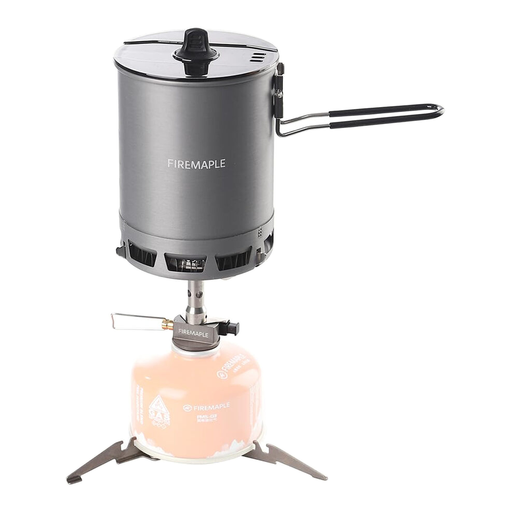 No image available
A camping stove set for outdoor use. The product information says it should be used in well-ventilated outdoor areas, not indoors or in enclosed spaces.
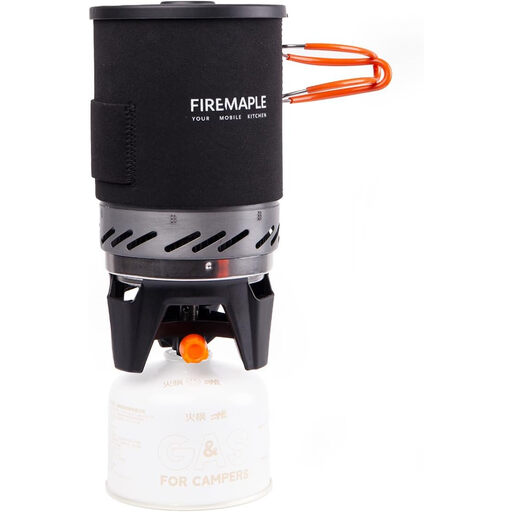 No image available
For outdoor cooking without mains electricity. The product information says the gas cartridge is not included and that the appliance must only be used outdoors in well-ventilated areas.
It depends on the exact model. Emile Henry says the Flame tagine is not suitable for induction, while the Delight tagine is, except for Full Zone. Check the pan instructions and compare the size of its base with the cooking zone.
For the Camp’Bistro 3, the manufacturer specifies outdoor use only, and the instructions exclude tents and caravans, among other places. The NVWA warns of carbon monoxide risks when gas appliances are used in enclosed tents; always follow the instructions for the specific appliance.
Switch off the hob and follow the model’s cooling and cleaning instructions. A ceramic cooking zone gets hot; Rommelsbacher lists a residual heat indicator for the CT 1800/E.
According to ACM ConsuWijzer, the seller is responsible for the statutory guarantee if the product doesn’t perform as you could reasonably expect. A manufacturer’s guarantee doesn’t replace this right.
The NVWA says CE marking is compulsory for electrical products and gas appliances. Check the marking and product documentation for the specific item before buying.