
A cook who likes to let split pea soup simmer gently
Wants to cook a small amount of split pea soup over a low heat and regularly stir it, scraping the bottom of the pan.


Start by checking the base and size of your soup pan. Induction is an option if the pan is compatible and falls within the hob’s stated size range; otherwise, compare a ceramic or cast-iron electric hob. Also check the low heat settings, timer or automatic shut-off time, and electrical connection. A timer is no substitute for supervision: stay nearby while the soup simmers and stir it regularly, scraping the bottom of the pan.
Wants to cook a small amount of split pea soup over a low heat and regularly stir it, scraping the bottom of the pan.
Wants to know whether the base and size of the pan are suitable for induction, or would rather compare a conventional electric hob.
Needs a single portable cooking zone, while leaving enough room for the pan and a safe set-up.
Choose this if: your pan is induction-compatible and its base size falls within the range supported by the model you choose.
Consider: a pan that is too small may not be detected; a timer or temperature setting does not guarantee an even simmer.
Choose this if: you don’t want to use an induction-compatible pan and the cooking zone suits the base of your pan.
Consider: the cooking zone gets hot and retains heat after being switched off. According to Princess, the Princess 303020 does not have a timer.
Choose this if: you’re looking for a conventional hob with a dial for a small pan that isn’t suitable for induction.
Consider: match the base of your pan to the cooking zone and remember that the hob surface gets hot. According to Tristar, the Tristar KP-6185 has five settings and no keep-warm function.
| What to consider | What should you look for? | Who is this most relevant to? |
|---|---|---|
| Gentle simmering | Compare the low heat settings, controls and automatic shut-off time for the exact model. A recipe from the Netherlands Nutrition Centre cooks split pea soup at a low temperature; keep checking and stirring it. | I want to adjust the heat as the soup cooks and prevent it from sticking to the bottom. Around 33% of consumers say gentle simmering is their main buying priority. |
| Pan and cooking zone | Check that the base is suitable for induction and compare the size of your pan with the stated range or diameter of the cooking zone. The Consumers’ Association warns that a pan that is too small may not be detected. | I want to keep using my existing soup pan and first find out which hob is suitable for it. Around 27% of consumers prioritise pan compatibility and size. |
| Space for the hob and pan | Measure the space for the appliance and the pan, and follow the model’s placement instructions. | I have limited worktop space and want to know whether the hob and pan can sit together securely. Around 20% of consumers put available space first. |
| Electrical connection and safe use | Check the required electrical connection and the manual for the exact model. Electrical consumer products placed on the market in the Netherlands must meet the applicable safety requirements and carry CE marking; the Netherlands Food and Consumer Product Safety Authority explains these obligations. Stay nearby while cooking and keep flammable items away. | I want to know in advance whether the hob is suitable for my electrical connection and how to use it safely. Around 20% of consumers put these checks at the top of their list. |
The stated wattage doesn’t tell you how your pan will cook thick split pea soup on a low setting.
Compare the low settings and controls, and keep checking and stirring while cooking.
Induction requires a suitable pan base and the right size. A pan that is too small may not be detected.
Check the base and size before choosing between induction and a conventional hob. If your pan isn’t suitable, you may need a different one.
With these conventional hobs, the cooking surface itself heats up and can stay hot after the hob is switched off.
Keep flammable items away and let the hob cool down in accordance with the manual.
Freestanding induction hobs can vary in their power rating and connection requirements.
Before buying, check the plug, power rating and any consumer unit requirements for the exact model. A different type of connection may require installation.
The KI120T is a single-zone induction hob worth comparing if the stated pan size range and timer duration matter to you.
The KP-6185 is a compact, conventional single-zone cast-iron hob.
The 303020 and 303010 use two different electric heating methods, making them worth comparing side by side.
The conventional KP 1092 has different controls from induction and ceramic models.
A selection of Joybuy electric hobs. Before choosing, check the number of cooking zones, the type of pan base required and the electrical connection for each model.
 No image available
This single-zone induction hob is designed for one pan; check that the base of your soup pan is suitable for induction.
The product description lists several power settings, temperature control, automatic pan detection and a child lock.
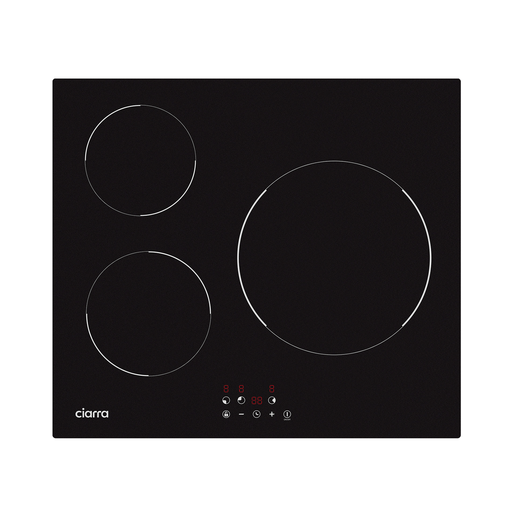 No image available
This model has three cooking zones; if you only need to use one pan for soup, consider whether that’s right for you.
The product description lists nine power settings and a timer of up to 99 minutes. An induction-compatible pan is required.
 No image available
This portable induction hob is an option to compare for a small pan of soup; check that the pan base is magnetic and suitable for induction.
The product description lists ten heat settings, including a low setting for slow cooking, and six functions, including a soup setting. According to the description, aluminium or ceramic pans without a magnetic base won’t work well.
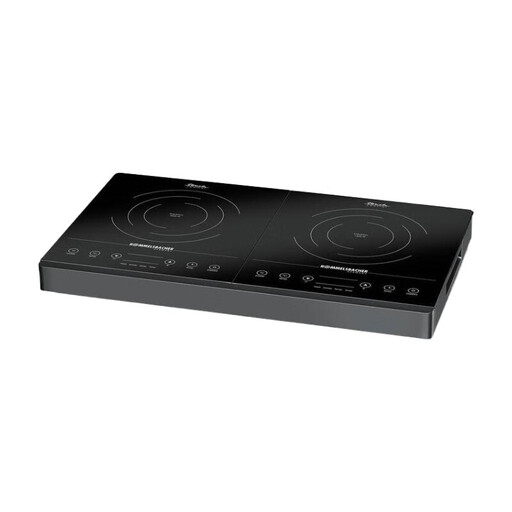 No image available
This double hob has two cooking zones; compare that with the space you have and your needs when cooking with one soup pan.
The product description lists two independently operated zones and stepless temperature control.
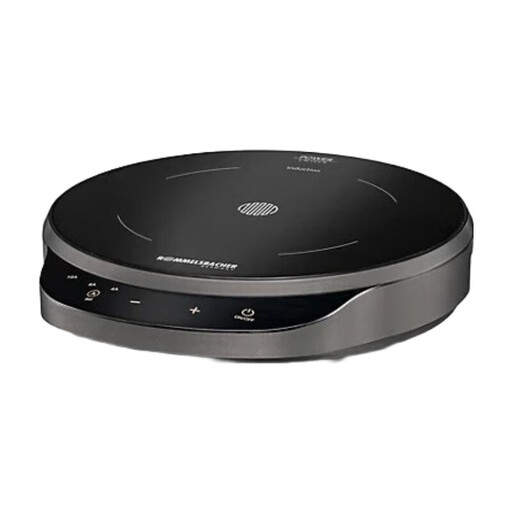 No image available
This model has one cooking zone; check that the cooking technology used by this version is suitable for the pan you want to use.
The product description lists nine power settings and a pan size range of 12–20 cm. It recommends using a flat-based pan within this range.
Once the soup has come to the boil, let it cook at a low temperature and stir regularly, scraping the bottom of the pan. For a recipe for two, the Netherlands Nutrition Centre recommends cooking the split peas for 40–50 minutes, then adding the vegetables and cooking for a further 20–30 minutes. Adjust the cooking time to suit your recipe.
It will if the base is magnetic and suitable for induction, and the pan is the right size for the model you choose. Compare the base with the stated pan size range; the hob may not detect a pan that is too small.
No. The Fire Service advises staying near the hob while cooking. Check the soup even if a timer or automatic shut-off ends the cooking time.
No. According to the Consumers’ Association, models with a higher power rating may require a Perilex socket and a suitable connection in the consumer unit. Check the requirements for the exact model.
Electrical consumer products placed on the market in the Netherlands must meet the applicable safety requirements and carry CE marking, according to the Netherlands Food and Consumer Product Safety Authority. Check the information for the specific model; a CE marking is not an independent performance test.