Start by considering the pan you want to use, the space available at your workstation and how many pans you need to use at once. A portable induction hob is suitable for a compatible magnetic pan; if you have an existing pan that is not suitable for induction, a conventional electric hob or ceramic radiant hob may be a better choice. Also compare the controls, residual heat and electrical connection, and keep an eye on the pan while toasting.
Who is this choice relevant to?
Workshop host with one demonstration pan
Wants to be able to adjust the heat during short toasting sessions and mainly needs a suitable single cooking zone. The pan’s size and material matter; Consumentenbond recommends using a pan with a suitable base for induction.
Cook with an existing pan that is not suitable for induction
Wants to keep using their own pan, so is comparing a conventional electric hob with a ceramic radiant hob. Bear in mind that these heated cooking zones retain residual heat.
Host overseeing several cooking groups at once
May need two cooking stations at the same time, so should also consider the space needed for the appliance and pans, as well as the available electrical connection.
What should you look for when choosing?
| What to consider |
What should you check? |
Who is this important for? |
| Adjusting the heat |
Check the controls on the exact model. The settings alone don’t tell you what temperature the pan will reach. |
If I want to respond to how the spices are toasting during a short demonstration, I’ll look at the heat controls. Around 33% of consumers say this is their top purchase priority. |
| A suitable toasting pan |
For induction, check that the base is magnetic, flat and suitable for the cooking zone. Compare the pan size with the specifications for the exact model. |
If you want to keep using your existing pan, first check whether it is compatible with your chosen heating method. Around 27% of consumers put pan compatibility first. |
| Cooking zones and workspace |
Decide whether you really need to use two pans at once, and check the dimensions of the appliance and cooking zones. |
If two groups are cooking at the same time, I’ll want enough space for both pans and the appliance. For around 20% of consumers, the number of cooking zones available at once is their top priority. |
| Positioning and connection |
Check the rated power, other appliances on the same circuit, and where the cables and hot surfaces will be. |
If you’re placing a hob among participants and other equipment, you’ll want to check the layout and connection in advance. Around 20% of consumers put safe positioning and connection first. |
Common buying mistakes
-
Choosing an induction hob without checking the pan
A pan that is not suitable for induction, or does not meet the hob’s size requirements, may not work.
Before choosing the hob, compare the pan’s base and diameter with the specifications for the exact model.
-
Mistaking a ceramic glass hob for an induction hob
With induction, a suitable pan base is heated; with a ceramic radiant hob, the cooking zone itself heats up and may retain residual heat after being switched off.
Check the heating method listed in the model specifications, rather than basing your choice on the glass surface alone.
-
Choosing a second cooking zone without considering the connection
An extra zone is most useful if you use two pans at once. The available electrical capacity may limit how you can set things up.
First decide how many pans you need to use at once, then check the rated power and other appliances on the same circuit.
-
Assuming all listings describe the same model
For the Rommelsbacher CT 2010/IN, the stated pan and zone sizes and the description of the glass material differ between the manufacturer and retailer listing.
Before relying on the stated size or material, compare the details of the item actually being offered with the manufacturer’s product specifications.
Brands to compare
Rommelsbacher
The models reviewed include a single induction hob and a ceramic radiant hob, offering different options for a workshop with one cooking station.
- According to Rommelsbacher, the CT 2010/IN has ten power settings and pan detection. For the CT 2200/E, the manufacturer lists two adjustable zone diameters: 14 and 21 cm.
- These model specifications do not guarantee a particular toasting result. For the CT 2010/IN, check the stated pan and zone sizes and material details for the item being offered.
Severin
The KP 1091 reviewed is a single conventional electric hob for anyone looking for a heated cooking zone.
- Severin lists a 18.5 cm cast-iron cooking zone, 1500 W of power and stepless controls for the KP 1091.
- The hob itself heats up and retains residual heat. The stated specifications do not show that spices will toast more evenly.
Tristar
The IK-6162 reviewed is a double freestanding induction hob for a setup with two pans.
- Tristar lists two cooking zones and a total power output of 3500 W for the IK-6162.
- Check that the pans and appliance will fit in your workspace, and take other appliances on the same circuit into account. The specifications do not guarantee a particular toasting result.
CASO Design
The PRO Menu 2100 reviewed is a single portable induction hob.
- CASO lists twelve power and temperature settings and a pan size range of 12–24 cm for this model.
- The stated pan size is something to check against your own pan; the settings do not tell you what temperature a particular pan base will reach.
Portable hobs on Joybuy
This selection includes tabletop models with one cooking zone and versions with two, including several induction hobs. For induction, check that your pan is compatible; the NVWA states that electrical products sold on the Dutch market must carry a CE mark, so check this on the item being offered.
 No image available
Induction hob with two cooking zones
The two independently controlled cooking zones are suited to a setup where you use two pans at once.
The product description lists five temperature settings and a total power output of 2500 W. Check the available circuit and other appliances if using it at the same time as them.
Joybuy
 No image available
Induction hob with one cooking zone, 1000 W
This tabletop model with one cooking zone is designed for use with one pan.
The product name lists five power settings and 1000 W. Use a pan that is suitable for induction.
Joybuy
 No image available
ochama induction hob, 2000 W
The ten power settings give you options for adjusting the heat during a demonstration.
The product name lists ten power settings and a safety lock. The product description says magnetic cookware is required; aluminium or ceramic pans without a magnetic base will not work properly.
Joybuy
 No image available
Fritel IP 1266, 2000 W induction hob
This single-zone hob may suit a demonstration using one induction-compatible pan.
The product name lists ten power settings and a cooking zone of Ø 26 cm. The product description says a flat induction pan measuring 12–26 cm is required.
Joybuy
 No image available
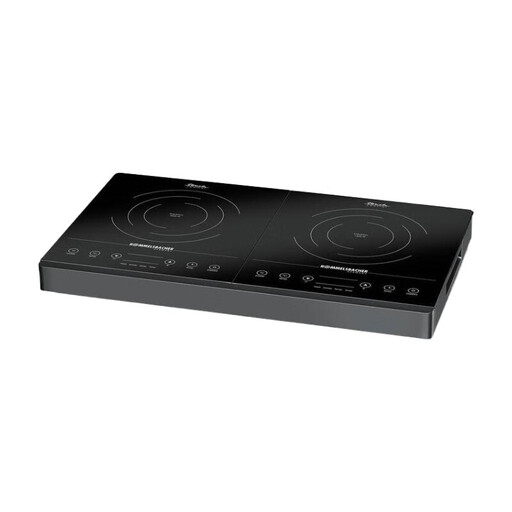
Rommelsbacher CT 3402/IN double hob
This double model is worth considering if your workshop setup needs more than one cooking zone.
Joybuy
Frequently asked questions
Can I toast whole spices directly on the hob?
No, use a pan for this. McCormick describes toasting whole cumin seeds in a dry frying pan; this is not a recommendation to put spices directly on the hob surface.
How can I check whether my small pan will work on induction?
Check that the pan base is magnetic, flat and compatible with the hob’s requirements. Consumentenbond recommends using a suitable induction pan; also compare the pan size specified for the exact model with the diameter of your pan base.
Can I use a double hob at the same time as other appliances on the same circuit?
Don’t assume you can without checking. Consumentenbond notes that using other electrical appliances on the same circuit at the same time can be a limitation with freestanding induction hobs. According to the manufacturer, the Tristar IK-6162 has a stated total power output of 3500 W; check the actual connection and simultaneous load.
How should I put the hob away after the workshop?
Switch it off and follow the instructions for cooling and cleaning. A heated ceramic zone may retain residual heat after being switched off; also keep cables out of walkways.
What should I know about marking and purchase rights in the Netherlands?
The NVWA states that electrical products sold on the Dutch market must carry a CE mark; check this on the item actually being offered. According to ACM ConsuWijzer, consumers who buy online generally have a 14-day cooling-off period after delivery, and statutory rights against the seller may apply if a product is faulty. Consumer protection does not necessarily apply to purchases used mainly or exclusively for business purposes.


