
Cooking with a small pan
You heat one small portion at a time and want to check that your pan’s base fits the cooking zone. The Dutch Consumers’ Association and Inventum both highlight pan size and pan detection as important considerations.


Choose a portable single-zone induction hob if the flat, magnetic base of your pan is within the range specified for the model. If your pan isn’t suitable for induction, a conventional electric hob may be a good alternative, but its cooking zone may stay hot after you switch it off. Also check the connection required by the appliance you choose.
You heat one small portion at a time and want to check that your pan’s base fits the cooking zone. The Dutch Consumers’ Association and Inventum both highlight pan size and pan detection as important considerations.
You want to adjust the heat as you stir, without assuming that the number of settings means your food will heat evenly. Rommelsbacher and Tristar describe different adjustment options; in its tests, the Dutch Consumers’ Association also assesses how low and steady the temperature remains.
You want to check first whether your pan is suitable for induction, and consider a conventional electric hob if it isn’t. The Dutch Consumers’ Association explains that induction requires a flat, magnetic pan base; the Netherlands Nutrition Centre outlines how conventional electric heating differs.
Choose this option if: you use one pan with a flat, magnetic base that falls within the model’s specified pan-size range.
Bear in mind: a specified setting or keep-warm function doesn’t prove that this dish will heat evenly. Check the food as it heats.
Choose this option if: you want to keep using your pan and its base fits the cooking zone.
Bear in mind: the hob may stay hot after you switch it off. Let it cool down before putting it away.
| What to consider | What should you check? | Who is this important for? |
|---|---|---|
| Pan base and detection | Compare the flat base of your pan with the range specified for the exact model. For induction, also check that the base is magnetic. | I heat one small portion and want to make sure my pan fits the zone. Around 33% of consumers make pan size and pan detection their top priority. |
| Adjusting the heat | Look at the controls and lowest settings; don’t treat the number of settings or a keep-warm function as proof of even heating. | I want to adjust the heat while stirring. Around 27% of consumers prioritise adjustable heat. |
| Space and connection | Measure the available space and check the connection instructions and the load on your electrical circuit. | I want to know whether the hob will fit safely in the space I have and work with my electrical connection. Around 20% of consumers make space and connection their top priority. |
| Keeping your existing pan | First check whether the pan base is suitable for induction. If not, compare a conventional hob and how much residual heat it retains after use. | I want to keep using my current pan rather than having to choose another one. Around 20% of consumers prioritise keeping their existing pan. |
With induction, a pan that’s too small or unsuitable may not be detected. A conventional hob’s cooking zone should also match the base of the pan.
Measure the flat base and compare it with the range specified for the exact model.
If your pan isn’t suitable for the hob you choose, you may need a different pan.
Rommelsbacher describes the CT 2010/IN as an induction hob with a specified pan-size range of 12–23 cm. The product title on Joybuy calls the appliance ‘ceramic’, while the product description gives a zone size of 100–200 mm.
Check the cooking technology and pan size using the full model number, and compare the product details with Rommelsbacher’s specifications.
A timer or specified function doesn’t measure how hot sauerkraut with apple gets. The Netherlands Nutrition Centre advises reheating leftovers until they’re piping hot all the way through.
Stir the dish and check it as it heats. Don’t rely on a set time or setting alone.
Two zones need more worktop space than one. Also check what the instruction manual says about the connection and using the appliance on the same electrical circuit as other appliances.
Measure the available space and follow the connection instructions for the exact model.
The features listed apply to the specific models below and aren’t recommendations for every product from these brands.
Inventum specifies a pan-size range of 15–20 cm for the KI120T. This model may be worth considering if the flat base of your pan falls within that range.
Rommelsbacher specifies a pan-size range of 12–23 cm for the CT 2010/IN.
The KP-6185 and KP-6245 have conventional electric cooking zones for anyone who doesn’t want induction.
CASO Design specifies a pan-size range of 12–24 cm for the Touch 2000 portable induction hob.
This selection includes portable induction hobs with one or two zones, as well as a conventional single-zone hob. The Netherlands Food and Consumer Product Safety Authority (NVWA) states that electrical products placed on the market in the Netherlands must carry CE marking. Check the marking on the exact version you’re considering.
 No image available
A single induction zone is designed for use with one pan at a time.
Power: 2000 W. The product details list 10 settings, a temperature range of 60–240 °C, 8 programmes and a timer of up to 240 minutes.
Only use pans that are suitable for induction; the description lists automatic pan detection.
 No image available
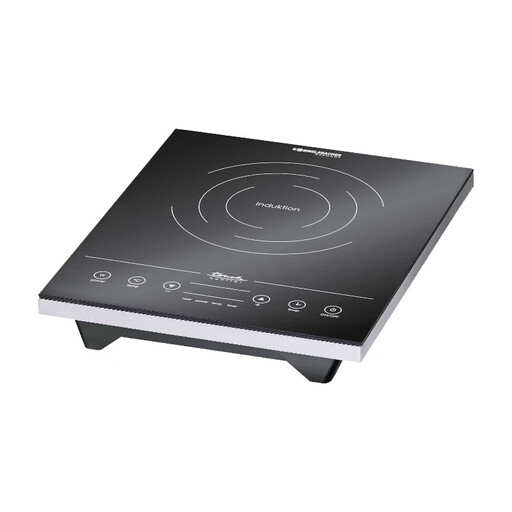
This single-zone hob is designed for one pan that’s suitable for induction.
Rommelsbacher specifies a pan-size range of 12–23 cm for the CT 2010/IN; the product details for this listing give 100–200 mm. Compare this with the size of your pan’s flat base and check the details for the exact version.
The product details list ten temperature settings, a timer of up to 180 minutes and a residual heat indicator.
 No image available
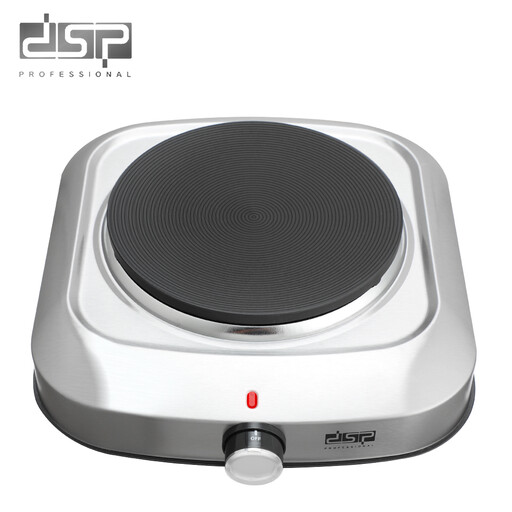
A conventional electric hob may be an option if your pan isn’t suitable for induction.
Power: 1500 W. The product details list a 185 mm cooking zone and adjustable temperature control.
Check that the base of your pan fits the fixed cooking zone.
 No image available
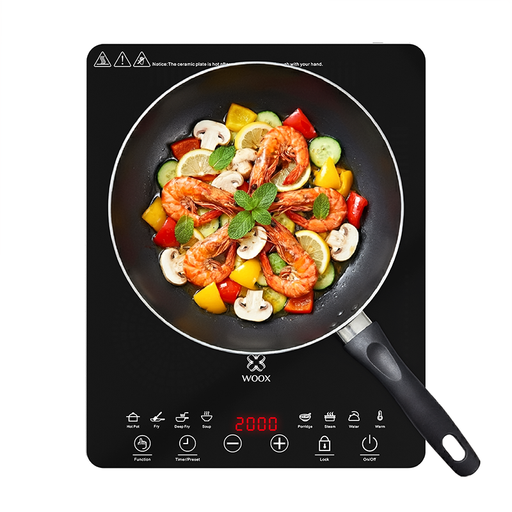
This portable induction hob is designed for use with one pan at a time.
Power: 2000 W. The product details list 8 adjustable levels and a heating coil radius of 155 mm.
Use a pan that’s suitable for induction; the description lists automatic pan detection.
 No image available
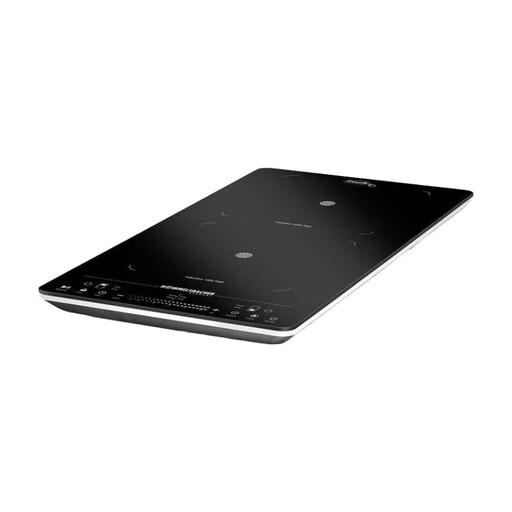
Two separately controlled zones may be a good fit if you often use two pans at once; for one small pan, they take up extra space.
The product details list induction zones of 120–260 mm, ten temperature and ten power settings, a timer and automatic switch-off.
Use flat, magnetic pans within the specified range. Keep pacemakers, credit cards, mobile phones and magnetic storage media at least 30 cm away from the hob while it’s in use.
Reheat the leftovers until they’re piping hot all the way through, stirring as they warm. The Netherlands Nutrition Centre advises against reheating leftovers more than once; a timer or keep-warm setting is no substitute for checking the food.
Only if the pan base is flat, magnetic and within the size range specified for the model you choose. Compare the flat base with the model specifications before you buy.
It depends on the model. Inventum specifies an earthed Dutch socket for the KI120T; the Dutch Consumers’ Association says that more powerful freestanding induction hobs sometimes need a Perilex socket and a two-phase connection. Follow the instructions for the appliance you choose and check what else is connected to the same circuit.
The Netherlands Food and Consumer Product Safety Authority (NVWA) states that CE marking is required for electrical products placed on the market in the Netherlands. This general requirement doesn’t confirm that the exact version you want to buy carries the marking, so check the version being sold.