
Cooking with a soup pan you already own
You want to check whether your pan is suitable for induction before deciding if you need another one. The Consumentenbond explains what to look for in an induction pan.


For potato soup in a shared kitchen, a portable induction hob is a good choice if your soup pan has a flat, magnetic base that suits the cooking zone and the electrical connection can handle the stated power. If you want to keep your existing non-induction pan, compare electric cast-iron and ceramic hobs instead. In every case, check you have enough workspace and keep an eye on the hob while cooking.
You want to check whether your pan is suitable for induction before deciding if you need another one. The Consumentenbond explains what to look for in an induction pan.
You want to check that the electrical connection is suitable for the hob and for any other appliances being used on the same circuit at the same time. The Consumentenbond highlights this limitation with freestanding hobs.
You want to cook a pan of soup, then clean and store the hob safely after use. The dimensions and instructions for the specific model will help you decide whether it will fit your workspace.
Start with your pan and the electrical connection: these determine whether the hob will work in your kitchen. Then compare the heat controls and the space you’ll need to use and store it.
Choose this option: if your soup pan has a flat, magnetic base that suits the cooking zone.
Bear in mind: you may need a different pan. Also check the power requirements of the connection and stay nearby while cooking.
Choose this option: if you don’t have an induction-compatible pan and want a simple rotary control.
Bear in mind: a cast-iron plate is harder to clean than a smooth glass surface and needs to cool down before you put it away.
Choose this option: if you don’t want induction and would prefer a smooth surface with an adjustable cooking zone.
Bear in mind: the cooking zone may still be hot after you switch it off, so check whether the model has a residual-heat indicator.
| What to consider | What should you look for? | Who is this important for? |
|---|---|---|
| Whether your soup pan is suitable | Check that the base is flat and magnetic, and suits the cooking zone. Otherwise, compare an electric hob. | If I want to keep using my existing soup pan, I’ll first check that its base is suitable for induction and fits the zone. Around 29% of consumers put pan compatibility first. |
| Electrical connection and power use | Check the power requirements and plug specifications for the exact model. See which other appliances are used on the same circuit at the same time. | If I’m cooking in a shared kitchen, I want to know whether the electrical connection is suitable for both the hob and other appliances on the same circuit. Around 29% of consumers prioritise the electrical connection. |
| Adjusting the heat | Compare the control knob or power settings. A timer is no substitute for keeping an eye on the hob while cooking. | If I’m simmering soup, I want to be able to adjust the heat while it cooks, rather than just set a cooking time. Around 24% of consumers prioritise heat control. |
| Workspace and storage | Compare the overall dimensions and cleaning instructions. Keep flammable items away. | If I have limited worktop space, I want to be able to clean and put the hob away after use without occupying the shared workspace for too long. Around 18% of consumers prioritise space and storage. |
Induction only works with a suitable pan base. The size of the pan and the cooking zone must also match.
Check the base and diameter of your pan before choosing a hob, or compare a non-induction model.
In a shared kitchen, other appliances may be running on the same electrical circuit.
Read the power and plug specifications for the exact model, and take into account any appliances being used on the same circuit at the same time.
A timer or automatic shut-off function doesn’t change the advice from Brandweer Twente: stay nearby while cooking.
Stay by the hob and keep flammable items away from the cooking area.
A manufacturer’s warranty is separate from your statutory rights with the seller. The Rijksoverheid states that the Netherlands has no fixed statutory warranty period.
Check what an extended warranty offers, and remember that it doesn’t replace your statutory rights.
The TILLREDA 805.901.55 is a portable single-zone induction hob for a small kitchen or as an extra cooking spot.
The KP 1091 is a single electric hob without induction, for anyone looking for a simple rotary control.
The Princess 303012 is a single induction hob with adjustable power settings.
The CT 2002/IN is an induction hob, while the CT 2200/E is a separate ceramic hob with radiant heating.
The KP-6151KL is an electric cast-iron hob and an alternative to induction.
These Joybuy products include portable induction hobs and one electric hob which, according to its product description, doesn’t use induction. The NVWA states that CE marking is compulsory for electrical products in the Netherlands. Check the marking and documentation for the exact version; CE marking isn’t an independent performance test.
 No image available
A portable single induction hob for a pan, providing an extra cooking spot.
The product description mentions temperature control, several power settings and pan detection. Use induction-compatible pans only.
 No image available
A portable induction hob with features listed in the product description for making soup.
The description lists 10 power settings, a soup function, touch controls, a glass surface and a safety lock. Use suitable magnetic pans only.
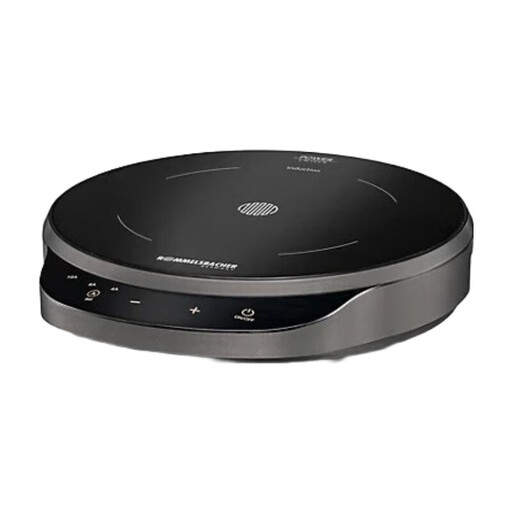 No image available
A single induction zone for anyone who wants to adjust the heat while cooking.
The product description lists nine power settings, a Power Switch and pans with a flat base measuring 12–20 cm. Use induction-compatible pans within that size range only.
 No image available
A portable single induction hob for a pan, providing an extra cooking spot.
The product description lists 10 power levels, 10 temperature settings and a timer with automatic shut-off. Use pans with a ferromagnetic base.
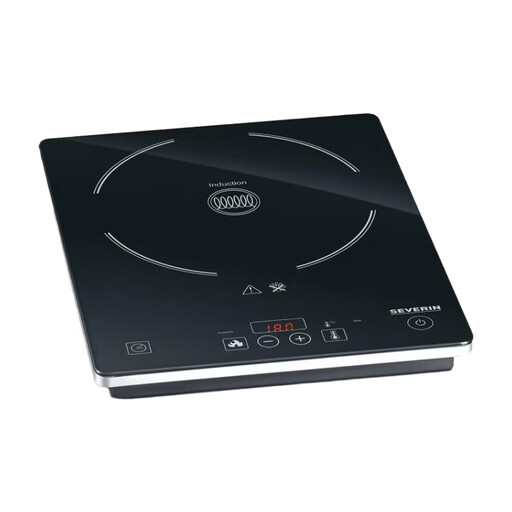 No image available
An electric hob with a heating element for anyone looking for a non-induction model.
The product description lists a glass-ceramic surface and a continuously adjustable heat control. The surface gets hot and must cool completely before you clean it.
Only if its base is magnetic and flat, and the right size for the cooking zone. The Consumentenbond explains these requirements for induction pans. Check both your pan and the specifications of the model you’ve chosen.
Check the manual and the available electrical connection for the exact model before using an extension lead. The Consumentenbond points out that other appliances on the same electrical circuit can limit the available capacity.
Put leftovers in the fridge or freezer within two hours; that’s the advice from the Voedingscentrum. Clean the hob only once it has cooled sufficiently, and follow the instructions for the exact model.
When you buy something as a consumer, you’re entitled to a product that works properly, and the seller is your point of contact if it doesn’t. The Rijksoverheid says there’s no fixed statutory warranty period in the Netherlands; an extended warranty doesn’t replace your statutory rights.
Yes. The NVWA states that CE marking is compulsory for electrical products. Check the marking on the exact version; CE marking isn’t an independent test of how well the hob heats soup.