
Polenta cook with limited worktop space
You cook in a shared kitchen and want to be able to clean and put away your portable hob after use, without having to stop stirring.


For polenta, the best choice is usually a portable hob that you can turn down gently once the water has boiled, and that suits your pan. Induction is an option if your pan has a magnetic base; a traditional electric hotplate may be a better fit if you want to keep using your existing pan. Also check the space required, the connection and the CE marking on the specific model.
You cook in a shared kitchen and want to be able to clean and put away your portable hob after use, without having to stop stirring.
You want to know whether your trusted polenta pan will work on induction, or whether a traditional electric hotplate would suit it better.
You sometimes prepare two dishes at once and are weighing up an extra cooking zone against the space and connection required.
A good fit if: your pan is induction-compatible and you want a compact hob that you can wipe clean after cooking.
Bear in mind: the pan base must be magnetic. The ventilation clearance required may also affect where you can place the hob.
A good fit if: your existing pan doesn’t work on induction and you want a traditional cooking zone with adjustable heat.
Bear in mind: the hotplate may stay hot after it’s switched off, so you’ll need to let it cool before cleaning or putting it away.
A good fit if: you often prepare polenta and a second dish at the same time.
Bear in mind: two zones need more worktop space. Check the chosen model’s total power and connection requirements.
| Consideration | What to look for | Who it matters to |
|---|---|---|
| Gentle cooking and stirring | Compare the heat settings or stepless control, and follow the cooking instructions on the packaging. | If I want to adjust the heat while stirring so the polenta simmers gently, having the right controls is my first priority. Around 36% of consumers prioritise this. |
| Positioning and worktop space | Check the ventilation clearance required, find a flat, heat-resistant surface and check the model’s connection requirements. | In a shared kitchen, I want to keep enough clear space and know where the hob can be placed and connected safely. Around 29% of consumers prioritise positioning and space. |
| Suitable for your pan | For induction, test the base with a magnet and compare its size with the hob’s stated pan range. | If I want to keep using my trusted polenta pan, I first check that it’s suitable for the cooking technology. Around 21% of consumers say keeping their existing pan is their main concern. |
| Cleaning or using two pans | Decide whether you’ll use one pan or often cook with two at once. If you need two zones, compare the total power and space required too. | I want to be able to tidy the shared workspace after cooking, or sometimes use a second pan at the same time. Around 14% of consumers give cleaning or cooking two dishes at once top priority. |
Induction requires a magnetic layer in the pan base. A pan that isn’t suitable may not work on the hob.
Test the base with a magnet, then check the pan size range stated by the manufacturer.
If your pan isn’t suitable, you may need another induction-compatible pan.
Polenta needs to be stirred as it cooks, and cooking times vary by type. A timer won’t stir it for you.
Choose controls you can adjust while stirring, and stay with the pan. The fire service advises staying in the kitchen while cooking.
Two cooking zones may need more space and have a higher total power requirement than one zone.
Check the exact model’s power, the available worktop space and the connection where you’ll use it. The fire service advises plugging high-powered appliances directly into a socket.
The heating element may still be hot after the hob is switched off. This is important to bear in mind for others sharing the kitchen too.
Let the hotplate cool before cleaning or putting it away, and make sure your housemates know not to touch it yet.
The KI120T is a single-zone portable induction hob for pans with a stated diameter of 15 to 20 cm.
The KP 1091 is an example of a traditional portable electric hotplate; the KP 1071 is a separate induction model.
The 303010 is a freestanding single-zone induction hob.
The IK-6179 is an example of a double portable induction hob for situations where you need two zones.
These products include single-zone portable hobs for making polenta: both induction models and a traditional electric hotplate.
 No image available
A good fit if you’re looking for a portable induction hob with several power settings that you can adjust while cooking.
8 power settings; stated temperature range of 60–270°C; suitable for induction pans with a flat base measuring 12–26 cm.
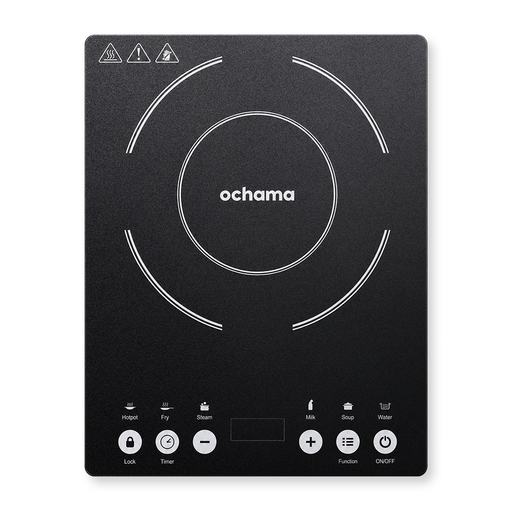 No image available
A good fit if you want to adjust the heat while stirring and clean a glass surface after use.
10 heat settings; the product description mentions settings for gentle simmering and cleaning the glass surface with a damp cloth. Requires cookware with a magnetic base; according to the description, aluminium and ceramic pans without a magnetic base won’t work.
 No image available
A good fit if you want to adjust the heat while stirring using both touch controls and a dial.
10 power settings; stated temperature range of 60–240°C; suitable for induction pans with a stated diameter of 12–26 cm.
 No image available
A good fit if you’re looking for a portable induction hob with adjustable heat for a shared kitchen.
10 power settings; stated temperature range of 60–240°C. Requires suitable induction pans.
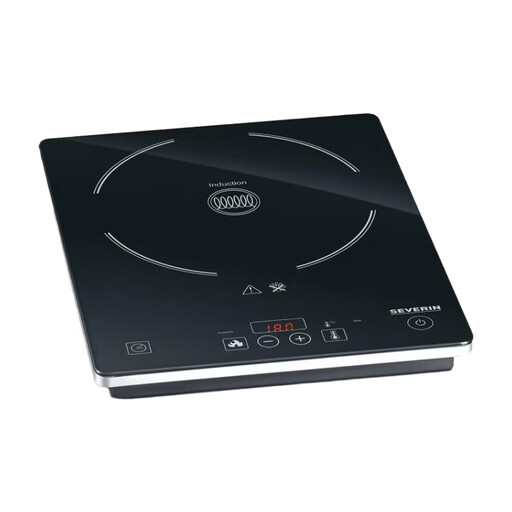 No image available
A good fit if you’re looking for a traditional electric hotplate to use with a pan that isn’t suitable for induction.
The product description lists stepless heat control. The hotplate stays hot after use, so let it cool before cleaning or putting it away.
Only if the base has a magnetic layer. Test it with a magnet, then compare the pan base with the size range specified by the manufacturer for the hob you’ve chosen.
No. Polenta needs to be stirred while it cooks, and the fire service advises staying in the kitchen while cooking. A timer won’t stir it for you.
Follow the manual for the exact model to check the surface and ventilation clearance required. The fire service advises plugging high-powered appliances directly into a socket and not connecting extension leads to one another. Don’t rely solely on a general manufacturer claim about sockets.
A new electric hob placed on the Dutch market as an electrical consumer product must have a CE mark, according to the NVWA. Check the marking on the specific model; the model name alone doesn’t confirm that it has one.
First, let the hob cool sufficiently and follow the model’s manual. A traditional electric hotplate may stay hot after it’s switched off; Milieu Centraal describes an induction hob’s surface as easy to wipe clean.