
Cooking with one pan of compote
You’re looking for a separate cooking zone for your compote and want to know whether one ring will be enough. Pay particular attention to the size of your pan and how you can adjust the heat.


For a single pan of plum compote, a portable single-ring hob is an obvious choice. First check that your pan is suitable for the cooking method and fits the cooking zone, and that you have enough space for the appliance. Induction requires a compatible pan; a conventional electric or ceramic hob may be an alternative. A second cooking zone is useful mainly if you’re preparing another dish at the same time.
You’re looking for a separate cooking zone for your compote and want to know whether one ring will be enough. Pay particular attention to the size of your pan and how you can adjust the heat.
You want to avoid having to buy another pan for an induction hob. So compare induction with an electric hob that doesn’t use induction.
You’re making another dish alongside the compote and are considering two cooking zones. Check that the appliance will fit your workspace and electrical connection.
First choose a cooking method that suits your pan. Then decide whether you need one or two cooking zones, and measure the space available.
Choose this if: your pan is suitable for induction and you need one cooking zone.
Bear in mind: an incompatible pan won’t work. Also check the space required for the specific model.
Choose this if: you want to use your existing pan and its base fits the cooking zone.
Bear in mind: the cooking zone may stay hot after you switch it off. Check the instructions for the model you choose.
Choose this if: you’re looking for a smooth cooking surface without induction.
Bear in mind: the stated cooking zone must suit your pan. Some models have a residual heat indicator.
Choose this if: you’ll genuinely use a second pan alongside the compote at the same time.
Bear in mind: the appliance takes up more worktop space. Check the connection and the specifications for both zones.
Only consider this if: the manual permits use in your chosen location and an electrical connection isn’t an option.
Bear in mind: ventilation and the risks associated with gas and carbon monoxide. Never use an appliance in an enclosed tent.
| What to consider | What to check before buying | Who is this important for? |
|---|---|---|
| Pan and cooking zone | If you’re considering induction, test the base of your pan with a magnet and compare its diameter with the zone. Milieu Centraal advises checking that your pan is suitable for induction; Inventum specifies pans of 15–20 cm for the KI120T. | I want to keep using my existing pan and check first that it will fit. Around 30% of consumers say pan compatibility is their main concern when buying. |
| Adjusting the heat | Compare the controls on the exact model. Inventum lists 10 temperature settings for the KI120T; Severin describes the KP 1091 as having continuously variable temperature control. These are specifications, not the results of a comparative cooking test. | If I want to adjust the heat while cooking, I pay particular attention to the controls. Around 30% of consumers prioritise heat control. |
| Workspace and connection | Measure the space available and check the manual for requirements about the surface and ventilation clearance. For example, the Inventum KI120T manual requires a flat, heat-resistant surface and at least 10 cm of clearance at the sides and back. This distance does not automatically apply to other models. | I want to position the hob securely and leave the required clearance around it. Around 30% of consumers say set-up and connection are their main concerns when buying. |
| Using two pans at once | Decide whether you’ll really be cooking two things simultaneously. Inventum lists zones of 15 cm/750 W and 18 cm/1500 W for the KP602B, and a width of 47 cm. | I want to use another pan alongside the compote, rather than having to cook one dish after the other. Around 10% of consumers say using two pans at once is their main concern when buying. |
An induction hob only works with a suitable pan base, and the stated pan size range varies by model.
Test the base with a magnet and compare the pan’s diameter with the hob’s specifications before you choose.
The manual may also specify clearance around the appliance and a suitable surface. For the Inventum KI120T, the manual specifies at least 10 cm of clearance at the sides and back.
Measure the full space available and follow the instructions for the exact model.
Gas appliances involve ventilation requirements and risks associated with gas and carbon monoxide. The NVWA advises against using a gas appliance in an enclosed tent and recommends ensuring adequate ventilation.
Check the manual to see where the appliance can be used, and only use it in the specified conditions.
The models mentioned include both a single-ring induction hob and a two-ring electric hob.
The KP 1091 is a conventional electric single-ring option to compare if you don’t want to use an induction pan.
The models mentioned include a conventional single-ring hob and a separate induction option.
The CT 2200/E is an example of a ceramic hob that uses radiant heat rather than induction.
These product picks are portable, single-zone induction hobs, suited to making compote in one pan. Before buying, check that your pan base is suitable for induction and matches the stated cooking zone.
 No image available
An option for heating one pan and adjusting the temperature.
The product description lists five heat settings and a rotary control. Induction requires a suitable pan with a magnetisable base.
 No image available
A single-ring induction option for adjusting the heat across several settings.
The product description lists 10 power settings, touch controls and six pre-set cooking functions. Use a pan that’s suitable for induction.
 No image available
An option if you use one pan and its stated size falls within the cooking zone’s range.
The product description lists 2000 W, a cooking zone for pans of 12–26 cm, 10 power settings and an adjustable temperature of 60–240 °C. The pan must be suitable for induction and have a flat, magnetisable base.
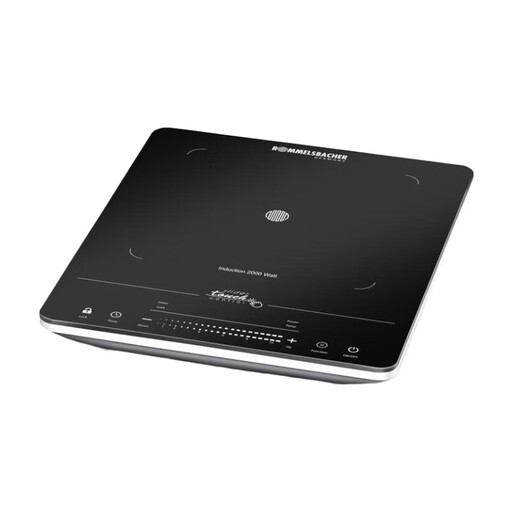 No image available
A separate induction cooking zone for extra cooking space when preparing a one-pan dish.
The product description lists 2000 W, 10 power settings and an adjustable temperature of 60–240 °C. It also specifies a 99-minute timer with automatic switch-off. Use a pan that’s suitable for induction.
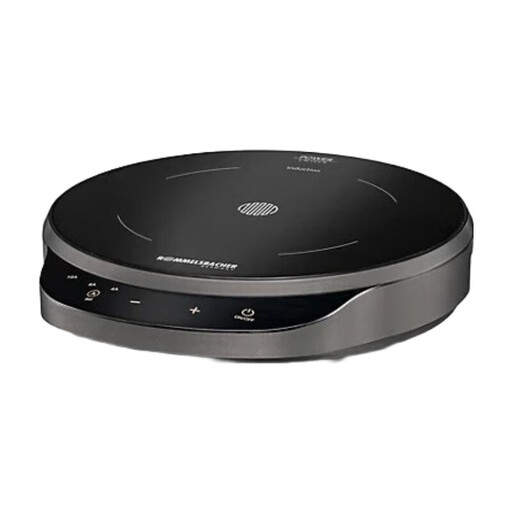 No image available
A single-ring option if the stated cooking zone suits the base of your pan.
The product description lists a 10–20 cm cooking zone, 10 temperature settings and a timer with automatic switch-off. The pan must be compatible with induction.
It depends on the base: test it with a magnet and compare its diameter with the range specified for the model you’ve chosen. For example, Inventum lists pans of 15–20 cm for the KI120T. That range doesn’t automatically apply to other hobs.
One cooking zone is enough to make compote in a single pan. A second zone is mainly useful if you’re heating another dish in a different pan during the same lunch. If so, check the dimensions and connection requirements of the two-ring model too.
Follow the manual for the exact model regarding the surface and clearance. For example, the Inventum KI120T manual requires a flat, heat-resistant surface and at least 10 cm of clearance at the sides and back. The Fire Service advises staying nearby while cooking and keeping flammable materials away from the hob.
CE marking is required for hobs covered by the relevant product rules. The Netherlands Food and Consumer Product Safety Authority explains the requirements for electrical appliances and gas appliances. Also check the marking on the specific appliance you’re considering.
No. According to ACM ConsuWijzer, your statutory guarantee depends on what you could reasonably expect from the product. A manufacturer’s or seller’s guarantee with a stated term doesn’t replace this legal right. If a product breaks too soon under normal use, contact the seller.