
Home baker with limited worktop space
You want a single-ring hob that will fit on the worktop alongside a mixing bowl and whisk. Measure the space available, and leave enough room to stir the pan safely.


Choose a single-ring hob that lets you gently heat a pan of water, while leaving enough room to stir the lemon curd in a bain-marie. Induction is suitable if your pan has a flat, magnetic base; a conventional electric hob is an alternative if you want to keep using your existing pan. No temperature setting alone can tell you how evenly the curd is heated: also check the instructions, the electrical connection and the CE marking on the specific unit.
You want a single-ring hob that will fit on the worktop alongside a mixing bowl and whisk. Measure the space available, and leave enough room to stir the pan safely.
You want to know whether your pan is suitable for induction, or would rather use a hob that doesn’t require an induction-compatible pan. The Consumers’ Association explains that induction pans need a flat, magnetic base.
You’re looking for controllable low heat and don’t want to mistake a setting for the measured temperature of the curd. The Albert Heijn Allerhande recipe recommends heating it gently in a bain-marie and stirring constantly.
| What to consider | What to look for | Who is this most important for? |
|---|---|---|
| Low heat | Compare the low-heat controls and the conditions for using a temperature probe, if applicable. Keep an eye on the water bath and keep stirring; the set temperature isn’t necessarily the temperature of the curd. | When I make curd in a bain-marie, I want to control the heat gently while continuing to stir. Around 31% of consumers say low heat is their top priority. |
| Space for the hob and pan | Measure the available width and depth, and allow room for the pan and for stirring. Keep flammable materials away from the hob, as advised by Twente Fire Service. | On a small worktop, I want to be able to use the pan without overcrowding my workspace. Around 25% of consumers say the space available is their main consideration. |
| Using your existing pan | For induction, check that the base is flat and magnetic, and that its size falls within the hob’s stated range. A conventional electric hob is an option if you don’t want to use a suitable induction pan. | If I want to keep using my small pan for a water bath, I want to know in advance whether it will work on the hob I choose. Around 19% of consumers put keeping their existing pan first. |
| Electrical connection and positioning | Check the plug type, power rating and instructions for the exact model. The Fire Service recommends connecting high-power appliances directly to a suitable socket wherever possible; also check the CE marking on the specific unit. | When setting up the hob, I want to know whether it’s suitable for the available socket and whether there’s a clear, safe place for it. Around 25% of consumers make the electrical connection and positioning their top priority. |
A hob setting, a recipe temperature and a temperature reading from a probe are three different things. The manufacturer of the Rommelsbacher CT 2010/IN also states a minimum power consumption of around 1000 W, including on the temperature settings.
Keep an eye on the water bath and the curd, and keep stirring. Only compare temperature settings with the instructions for the specific model.
A pan with an unsuitable or too-small base may be outside the stated pan-size range, or the hob may not detect it.
Check the base material, whether it’s flat and the pan-size range for the specific model before you buy.
You’ll need more space than just the area taken up by the hob: there also needs to be room for the pan and for stirring safely.
Measure the whole work area and keep flammable materials away from the hob.
Tristar offers both a conventional single-ring hob and a portable induction hob for this purpose.
SEVERIN offers single-ring models both with and without induction, so your pan’s suitability can help you decide.
The TC 2400 Thermo Control is a single-ring induction hob with an external temperature probe.
The CT 2010/IN is a portable single-ring induction hob with a stated pan-size range of 120–230 mm.
This selection includes portable induction hobs and electric worktop hobs. Before buying, check that your pan is suitable, the conditions for temperature control, the electrical connection and the CE marking on the specific unit.
 No image available
Could be suitable if your pan is induction-compatible and falls within the stated pan-size range.
2000 W; 8 power and temperature settings; stated range 60–270 °C; pan-size range 12–26 cm.
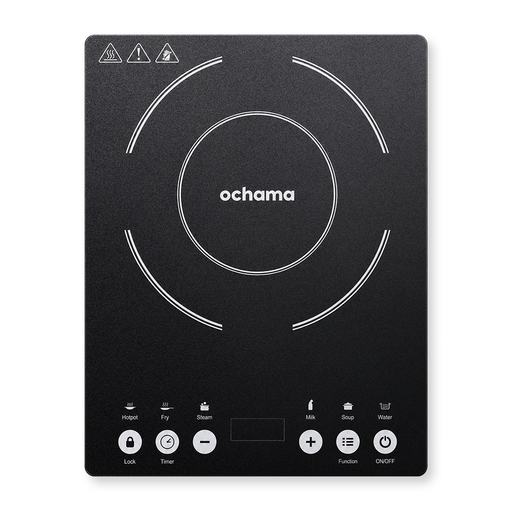 No image available
An option to consider if you have a suitable induction pan and the power settings suit the way you cook.
2000 W; 10 heat settings; one cooking zone.
The product description states that pans without a magnetic base, including aluminium and ceramic pans, won’t work.
 No image available
Could be suitable if you use induction-compatible pans and the stated settings work for your recipe.
10 power settings; stated temperature range 60–240 °C; 99-minute timer.
The stated temperature isn’t a measurement of the curd’s temperature.
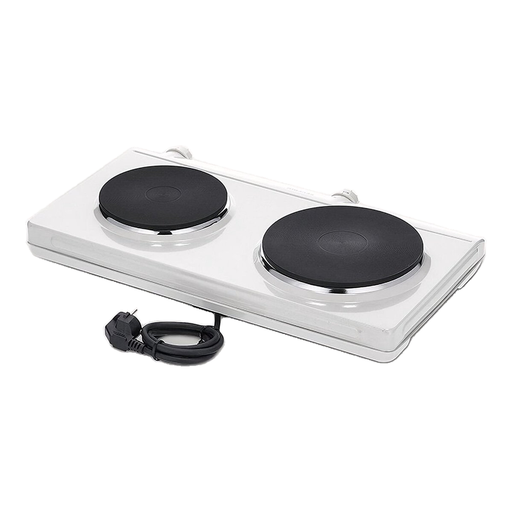 No image available
Could be worth considering if you’d like to use a second cooking zone alongside the water bath; one zone is enough for lemon curd alone.
Two individually adjustable cooking zones; 2500 W; stepless temperature control.
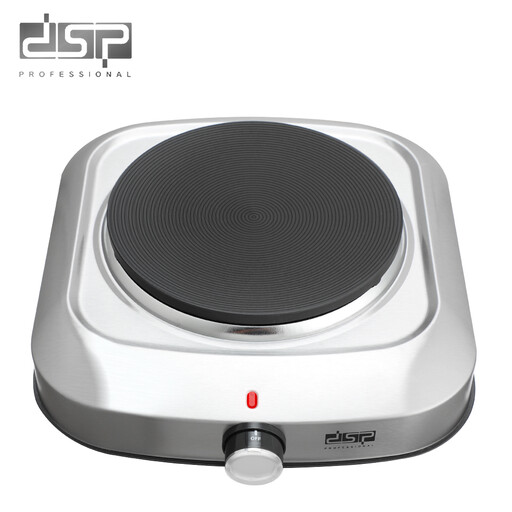 No image available
An electric single-ring hob to consider if you don’t want to use an induction pan.
1500 W; stated cooking plate diameter 185 mm; adjustable temperature control.
Place a bowl over a pan containing a little water, making sure the bowl doesn’t touch the water. The Albert Heijn Allerhande recipe recommends stirring continuously over a low heat and gives around 80 °C as the temperature for the curd. That’s a recipe temperature, not a setting every hob needs to display.
Only if the pan has a flat, magnetic base and the hob can detect its size. Check the base of your pan and the stated pan-size range for the exact model.
Follow the instructions and keep flammable materials away from the hob. The Fire Service recommends connecting high-power appliances directly to a suitable socket wherever possible, rather than using a multi-plug adaptor or cable reel. Let the hob cool down and follow the instructions for cleaning it.
Let the curd cool and store it in the fridge as directed by the recipe. The Netherlands Nutrition Centre recommends refrigerating cooked food within two hours and gives 4 °C as the recommended fridge temperature. Don’t automatically apply a storage period from one recipe to a different recipe or method.
According to the Netherlands Food and Consumer Product Safety Authority, CE marking is mandatory for electrical products to which this requirement applies; check the marking on the specific unit. When you buy from a business online, you generally have a 14-day cooling-off period. A product that meets the required standards is covered by the statutory guarantee, but there is no fixed statutory guarantee period of two years in the Netherlands.