
Cooking with one large stew pot
For anyone who wants the base of their pan to fit the cooking zone well and to control the stew without installing a built-in hob.


Choose a portable hob with a cooking zone that suits the base of your stew pot. Then check that the connection and any other appliances on the same circuit can handle the total power demand. A single induction zone is an option if your pan is suitable; a double hob is more practical if you want to cook two dishes at once. If your pan is not suitable for induction, a ceramic radiant or cast-iron hob may be a good alternative. Before the workshop, ask for the required CE marking and EU declaration of conformity for the exact model.
For anyone who wants the base of their pan to fit the cooking zone well and to control the stew without installing a built-in hob.
For anyone who wants to cook the stew and a side dish at the same time, while taking worktop space and the total electrical load into account.
For anyone who wants to use a pan they already own and is therefore comparing induction with ceramic or cast-iron heating, including how much residual heat remains after cooking.
First, check that your pan suits the cooking zone and heating method. Then consider the available electrical connection and decide whether you want to use one pan or two at the same time.
| What to consider | What should you check? | Who is this important for? |
|---|---|---|
| Pan size and heat control | For induction, compare the flat, magnetic base of your pan with the pan size range specified for the exact model. Also check which settings and timer are available. | If I’m using one large stew pot, I want to know whether its base will fit the cooking zone and whether the heat can be adjusted. Around 36% of consumers prioritise pan compatibility and heat control for the stew. |
| Connection and cooking space | Check the total connected load, the socket required and any appliances on the same circuit. Also make sure there’s a stable surface and a safe route for the cable. | For a temporary workshop space, I want to know whether the hob can be placed and connected safely. Around 29% of consumers give connection and cooking space top priority. |
| Cooking two dishes at once | Check the number and size of the cooking zones, whether they can be controlled separately and the hob’s total power rating. | If the stew and a side dish are both on the menu, I need room for both pans. Around 21% of consumers prioritise cooking two dishes at the same time. |
| Existing pans | Check whether your pan is suitable for induction. With ceramic or cast-iron hobs, the surface stays hot after the hob is switched off, so bear this in mind when several people are using it. | If I want to keep using my existing pan, the heating method will influence my choice. Around 14% of consumers prioritise using their existing pans and avoiding additional purchases. |
A smooth glass top alone doesn’t tell you which heating method the hob uses. Voedingscentrum describes ceramic cooking as electric heating beneath a glass plate, so make sure you check the pan requirements too.
Check the exact model to find out what type of hob it is and which pans are suitable. Don’t base your choice solely on the product image or the word ‘ceramic’.
With a double hob, the total connected load matters too. Other appliances on the same circuit add to the load.
Compare the total power rating and the required socket with the workshop location. Also check that there’s enough room for both pans.
The features listed relate to specific models and are not an assessment of a brand’s entire range.
The KI120T is a portable induction hob for one pan. Inventum specifies pans with a diameter of 15–20 cm for this model.
The IK-6178 is a portable single-zone induction hob, while the KP-6152 has two separately controlled electric heating zones.
The DK 1031 is a double induction hob, while the KP 1091 is a single electric cast-iron hotplate.
The CT 2200/E is a portable single-zone ceramic radiant hob.
This selection includes portable hobs with one or two cooking zones for a workshop. Compare the pan requirements and connection for the exact model with your pan and the space available.
 No image available
A portable induction hob for a workshop where you’ll be using one pan at a time. The product description lists 10 heat settings, 6 cooking functions, touch controls and a child lock.
According to the product description, aluminium and ceramic pans without a magnetic base will not work well on this hob.
 No image available
An option for one pan, provided the specified pan size range suits the base of your stew pot. The product description lists a zone for pans measuring 12–26 cm, adjustable power from 200–2000 W, 10 power settings and a timer of up to 3 hours.
The product description specifies a flat base and an induction-compatible pan.
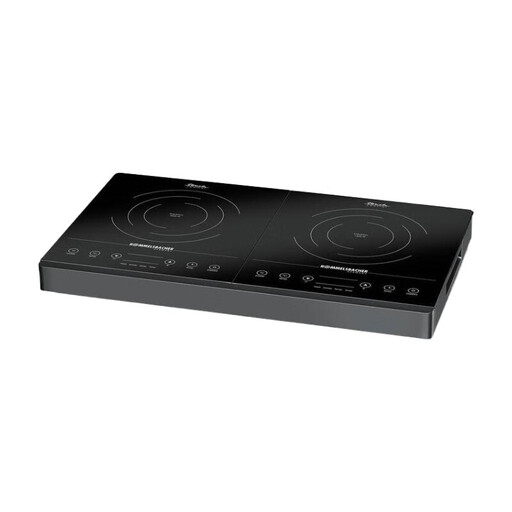 No image available
A double hob for preparing two dishes side by side during a workshop. Check that there’s room on the worktop for both pans and that the connection is suitable for the exact model.
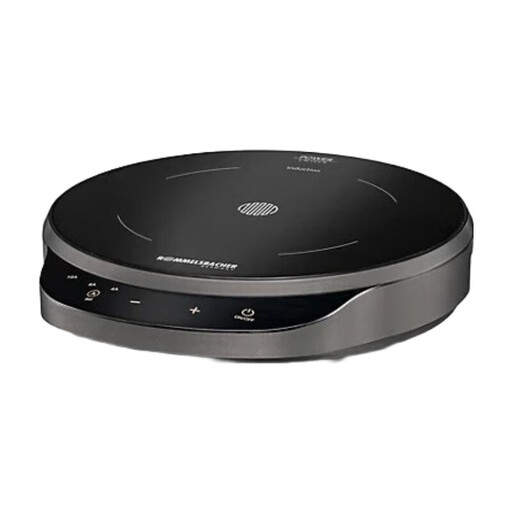 No image available
A single-zone hob with a 180-minute timer, according to the product description. It also lists 1800 W, nine power settings and a pan size range of 12–20 cm.
The product description specifies a flat, induction-compatible pan; compare the diameter of the base with the stated range.
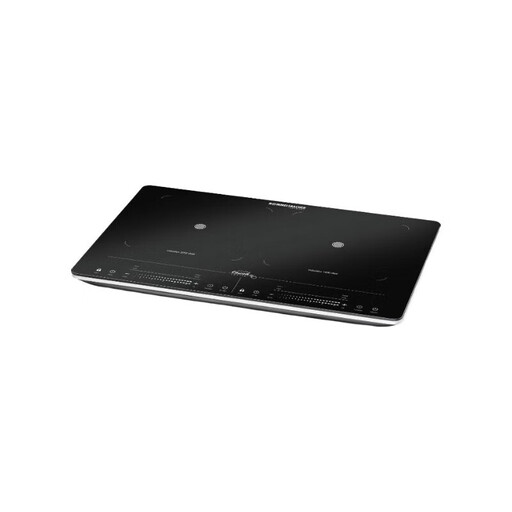 No image available
An option for cooking two dishes at once, with separately controlled cooking zones. The product description lists a timer of up to 180 minutes with an automatic switch-off function.
According to the product description, flat, ferromagnetic pan bases are required; the stated diameter range is 120–260 mm. The description also lists 1400/2000 W, 10 power settings and 10 temperature settings.
Check that the base is flat and magnetic, and compare its diameter with the pan size range for the exact model. Consumentenbond lists a magnetic, conductive and flat base as a requirement for induction cooking; an unsuitable size can prevent the hob from recognising the pan or heating it evenly.
No, you can’t assume this is the case for every model. According to Consumentenbond, most portable induction hobs can be plugged into an earthed socket, but check the manual, the connection at the workshop venue and any other appliances on the same circuit. Brandweer Nederland advises plugging high-power appliances directly into a socket rather than using a multi-plug adaptor or cable reel.
Stay nearby while cooking and keep flammable materials away from the hob, advises Brandweer Nederland. A ceramic or cast-iron hob may stay hot after it has been switched off. Voedingscentrum advises keeping raw fish separate from prepared food and cooking fish, crustaceans and molluscs thoroughly.
Electric appliances covered by the relevant European rules must meet the applicable requirements for being placed on the market. Ondernemersplein, the Dutch government’s business information portal, states that the manufacturer must apply the required CE marking and draw up and sign an EU declaration of conformity. Ask for the relevant information for the exact model.
No. Calling something a cooking workshop does not by itself determine whether the organiser is subject to rules for hospitality, food production or retail. NVWA outlines HACCP requirements for those types of business activity; first establish how the workshop is organised and whether food is being sold.