
Cook with limited worktop space
You make compote in one pan and want to put the hob away after use. Remember to measure the space needed for the pan and handle, as well as the clearance specified in the manual for your chosen model.


For a single pan of berry compote, a portable single-zone hob is a sensible choice if the hob, pan and required clearance all fit in your cooking space. Induction requires a suitable magnetic pan base, as Milieu Centraal explains; a conventional heated hob stays hot after you switch it off and needs time to cool down. Two zones are mainly worthwhile if you regularly use a second pan at the same time and have enough space and a suitable connection.
You make compote in one pan and want to put the hob away after use. Remember to measure the space needed for the pan and handle, as well as the clearance specified in the manual for your chosen model.
You want to turn the heat down once the mixture has come to the boil, then stir and check it as it cooks down. Compare the controls on the exact model you’re considering: the maximum power rating alone won’t tell you how it performs on a low setting.
You want to keep using your current pan. For induction, Milieu Centraal recommends a magnetic layer in the base; also check that the pan is within the hob’s stated size range.
A good fit if: you use one pan, its base is suitable for induction, and the hob can be placed safely in the available space according to the manual.
Bear in mind: induction doesn’t work with every pan. Check the compatible pan sizes and the model’s ventilation clearance requirements too.
A good fit if: your current pan isn’t suitable for induction but sits securely on the cooking zone.
Bear in mind: the cooking surface stays hot after you switch it off and needs time to cool down.
A good fit if: you often use a second pan alongside the compote and the full setup fits in your cooking space.
Bear in mind: two zones need more worktop space. Check the connection rating and the instructions for using both zones at once.
The percentages below show how consumers considering a portable electric hob for making berry compote in a compact cooking space are divided by their main purchasing concern.
| Consideration | What to look for when buying | Who is this important for? |
|---|---|---|
| Positioning the hob and pan safely | Measure the worktop and the space needed for the pan and handle. Follow the manual’s clearance requirements; for example, Inventum specifies at least 10 cm of space at the sides and back for the KI120T. | I want to use the hob and pan safely on my small worktop, then put the hob away afterwards. Around 29% of consumers list safe positioning as their main purchasing concern. |
| Being able to turn the heat down | Compare the controls and any low settings on the exact model. A timer or stated number of settings isn’t an independent test of how well it cooks a mixture down. | I want to adjust the heat once the mixture has come to the boil and keep an eye on the compote as it cooks down. Around 29% of consumers prioritise heat control for this. |
| Using your existing pan | For induction, check with a magnet that the base is magnetic and compare the pan size with the hob’s stated range. Milieu Centraal explains that a magnetic base is a requirement for induction. | I want to keep using my current compote pan and find out first whether it will fit the hob I choose. Around 24% of consumers list keeping their existing pan as their main purchasing concern. |
| Using a second pan at the same time | Decide whether you really need to use two pans at once. Measure the space for both and check the connection rating and instructions for simultaneous use on the exact model. | I want to be able to use a second pan while the compote cooks down, provided both pans fit in my cooking space. Around 18% of consumers prioritise being able to cook with two pans at once. |
You also need to allow space for the pan, its handle and the required clearance. The Inventum KI120T manual specifies at least 10 cm of space at the sides and back, and advises against using it in small spaces.
Measure the complete setup and read the positioning instructions for the exact model before you buy.
Induction requires a magnetic pan base. The pan size must also be within the range supported by your chosen hob.
For example, check the base with a magnet and measure your pan before choosing a hob. Your current pan may not fit, so you might need a suitable pan or want to consider a different type of hob.
If you want to keep using your current pan, an unsuitable base could mean you need to buy another one.
The stated settings don’t prove how steadily the heat will be maintained with your pan and recipe. The Netherlands Fire Service advises staying near the hob while cooking; you may need to stir the compote as it cooks down.
Compare the controls and stay by the hob so you can stir the compote or adjust the heat if needed.
Connection requirements vary by model. According to the Consumentenbond, some high-powered freestanding hobs may need a Perilex socket and a two-phase connection; the available power may also limit you when using both zones at once.
Check the connection requirements for the exact model and decide whether you really want to use two pans at the same time.
If your chosen model needs a different connection, installation may be required.
Inventum offers both a single-zone induction model and a freestanding hob with two zones.
The KP-6185 is a portable conventional electric hob with a cast-iron cooking zone.
The portable TILLREDA range includes a single-zone and a two-zone model.
The HD5830/90 from the 3000 Series is a portable, single-zone induction hob.
The Touch 2000 is a portable, single-zone induction hob.
This selection features portable single-zone hobs for cooking spaces where you use one pan: mainly induction models, plus one electric hob with a heated cooking surface.
 Image unavailable
A portable induction hob for using one pan in a compact cooking space.
Five power settings; 1000 W.
 Image unavailable
A portable induction hob for cooking with a single pan.
The product name specifies 220V/240V.
 Image unavailable
A portable induction hob for adjusting the heat as you cook.
2000 W, ten power settings, six functions, touch controls and a safety lock. Use a pan suitable for induction.
 Image unavailable
A portable induction hob for using one pan and adjusting the heat.
2000 W, XL cooking zone of Ø 26 cm, ten power settings, touchscreen and timer. Use a flat pan with a magnetic base that falls within the stated 12–26 cm range.
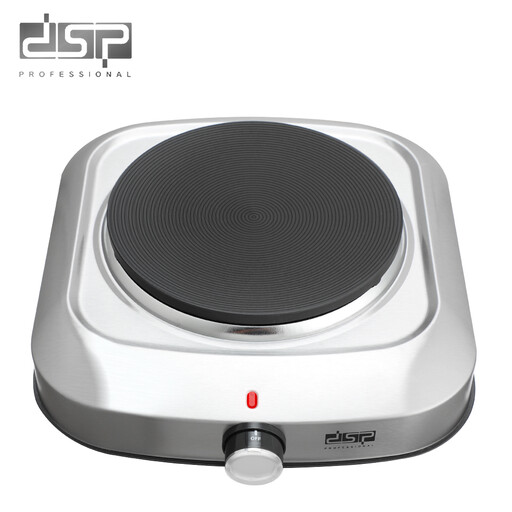 Image unavailable
A single-zone electric hob for anyone looking for an alternative to induction.
1500 W; adjustable temperature control. According to the product information, the hob may emit an odour or a little smoke for three to five minutes the first time you use it; if so, use it in a well-ventilated area.
Check that the base is magnetic, for example with a magnet, and compare its diameter with the hob’s compatible pan size range. Milieu Centraal says a magnetic layer is required; Inventum lists a compatible pan size of 15–20 cm for the KI120T.
No. Follow the positioning and ventilation instructions for the exact model. For the KI120T, Inventum specifies a flat, heat-resistant surface and at least 10 cm of clearance at the sides and back, and advises against using it in small spaces. So a small worktop isn’t automatically suitable.
Use the timer as an aid at most, and stay near the hob. The Netherlands Fire Service advises keeping an eye on food while it cooks; you may need to stir it as it gently cooks down.
No, not for every model. According to the Consumentenbond, most freestanding induction hobs can be plugged into a standard earthed socket, while some high-powered models require a Perilex socket and a two-phase connection. Check the connection requirements for the exact hob and the installation available in your home.
For an online consumer purchase, you generally have a statutory cooling-off period of up to 14 days after delivery, subject to legal exceptions. ACM ConsuWijzer also explains that, under the law, the seller must put right a product that doesn’t meet what you could reasonably expect during normal use; this doesn’t automatically mean a fixed two-year warranty period.