
Making custard in one saucepan
You want to heat a single pan, turn the heat down and keep stirring after your lesson, without having to set aside space for a second cooking zone.


If you’re making custard in a single saucepan, a portable single-zone hob is the obvious choice. Choose induction if your pan is compatible and its base fits the hob’s cooking zone; otherwise, opt for a conventional electric hotplate. Two zones are useful if you regularly use a second pan at the same time and have enough space and a suitable electrical connection. The Netherlands Nutrition Centre advises stirring continuously while the custard cooks and turning off the heat as soon as it thickens. A hob’s settings alone don’t guarantee a particular result.
You want to heat a single pan, turn the heat down and keep stirring after your lesson, without having to set aside space for a second cooking zone.
You want to check first whether your saucepan has a magnetic base and fits the cooking zone. Milieu Centraal describes the magnet test as a way to check whether a pan is suitable for induction.
You often cook something else alongside your custard and want to use two cooking zones, provided your kitchen and electrical connection can accommodate them.
Choose this option if: you use one induction-compatible pan and its base size is within the range supported by your chosen model.
Consider: pan detection, pan size, ventilation clearance and electrical connection vary by model. The listed settings aren’t an independent test of how well it simmers.
Choose this option if: your existing pan isn’t suitable for induction but fits the cooking zone.
Consider: a cast-iron hotplate can retain heat after it’s switched off. Let the appliance cool before putting it away.
Choose this option if: you regularly use a second pan at the same time and have enough worktop space and a suitable electrical connection.
Consider: check the pan size and power for each zone, as well as the total connected load.
If you’re considering a portable electric hob for making custard in a saucepan, these are the main buying priorities. Each row describes the need that matters most to that group of shoppers.
| What to consider | What should you look for when buying? | Who is this important for? |
|---|---|---|
| Turning the heat down | Compare the controls on the exact model; where available, look for independent simmering tests for that model. | When I make custard, I want to adjust the heat as I stir and switch it off at the right time. Around 36% of shoppers put heat control first. |
| Using a pan you already own | Test the base with a magnet and compare its size with the stated range for the cooking zone. | I want to keep using my saucepan and know in advance whether its base is suitable. Around 29% of shoppers prioritise keeping their existing pan. |
| Positioning and electrical connection | Check the manual for surface and clearance requirements; check the electrical connection and circuit. | I want to know whether the hob and pan will fit safely on my worktop and whether I can use it with my electrical connection. For around 21% of shoppers, positioning and connection are the top priority. |
| Using a second pan at the same time | Check the dimensions and controls of both zones, the power per zone and the total power. | When I regularly make another dish as well as custard, I want to use both pans at once. Around 14% of shoppers put cooking with two pans at the same time at the top of their wish list. |
Adjustable controls alone don’t tell you how the heat will affect your pan. The Consumers’ Association assesses low, steady heating separately; the Netherlands Nutrition Centre advises stirring custard and turning off the heat as soon as it thickens.
Where available, compare independent simmering tests for the exact model, and keep stirring while you cook.
Induction requires a magnetic layer in the base of the pan. The base must also fit within the range specified for the hob.
Test the pan with a magnet and measure its base before buying, or compare it with a conventional electric hotplate.
If your pan isn’t suitable, you may need another pan to use induction.
Total power and power per cooking zone are different specifications. Both pans also need to fit on the hob at the same time.
Check both zones, the power per zone, the total connected load and the space available.
A conventional cast-iron hotplate can retain heat after it’s switched off.
Remove the pan from the hotplate if necessary and let the appliance cool as instructed in the manual.
It may take a while to cool, so you might not be able to put the hotplate away straight away.
The KI120T is an example of a portable single-zone induction hob for a compatible saucepan.
The 303010 is a single-zone induction option; the 303011 has two zones for anyone who cooks with a second pan at the same time.
The KP-6185 is a single-zone hotplate with a heating element; the KP-6245 has two independently controlled zones.
The Pro Menu 2100 is a single-zone induction option to compare if the listed adjustment options matter to you.
The DK 1031 is a double-zone induction option to consider if you regularly use two induction-compatible pans at the same time.
This selection includes portable hobs for use with one pan: induction models and one conventional electric hotplate. Check the product information for the exact model you’re considering. Business.gov.nl says that electrical equipment placed on the market in the Netherlands must meet the applicable European safety requirements, including the required CE marking and EU declaration of conformity.
 No image available
For anyone who wants to use one induction-compatible pan and adjust the heat in steps.
Power: 1000 W. The product name lists 5 power settings.
 No image available
Ideal if you’re looking for a portable induction hob with a range of power settings.
Power: 2000 W; 10 power settings and 6 functions.
 No image available
For anyone using one induction pan and wanting to compare the stated pan size for the cooking zone.
Power: 2000 W; 10 settings; stated temperature range: 60–240 °C; pan size range: 12–26 cm.
 No image available
A single-zone option for anyone wanting to compare the listed power and temperature settings.
10 power settings and 10 temperature settings; stated temperature range: 60–240 °C.
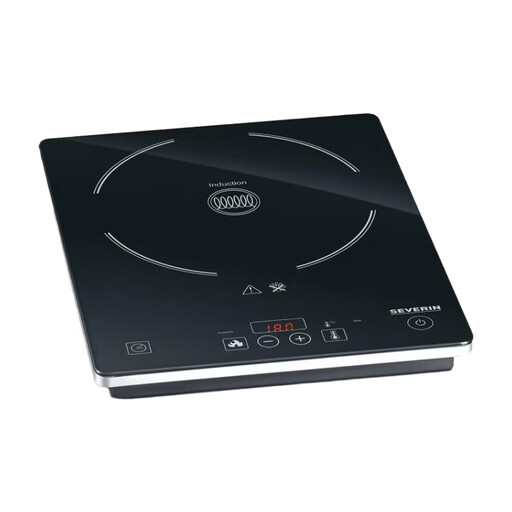 No image available
A conventional electric hotplate for anyone who wants to use a pan without needing an induction-compatible base.
Power: 2000 W; the product description lists infinitely variable heat control. The surface may stay warm for a while after use, so let the appliance cool before putting it away.
No, a temperature display isn’t essential for making custard. The Netherlands Nutrition Centre advises stirring while it cooks and turning off the heat as soon as the custard thickens. Compare how you can adjust the heat on your chosen model; a set temperature doesn’t prove how hot the custard will get in your pan.
Use a magnet to check whether the base has a magnetic layer, then compare its size with the stated range for the cooking zone. If your pan isn’t suitable for induction, consider a compatible conventional electric hotplate.
No. Follow the instructions and check the rated connection for the exact model. According to the Consumers’ Association, most portable induction hobs work with a standard earthed socket, but more powerful models may require a Perilex socket and a modified connection. Also take into account other appliances on the same circuit.
No, stay near the hob while you’re cooking. The Fire Service advises keeping an eye on food while it cooks, and custard needs stirring as it thickens. Use a timer only as a reminder.
Electrical equipment placed on the market in the Netherlands must meet the applicable European safety requirements. According to Business.gov.nl, the manufacturer must, among other things, provide the required CE marking and EU declaration of conformity. If a product is faulty, you can hold the retailer responsible under the statutory guarantee. The Dutch government says there is no fixed statutory guarantee period in the Netherlands.