
Vandaag of morgen in huis

Kwaliteit gegarandeerd

Welkomstaanbiedingen ontgrendelen: GRATIS bezorging | Tot 80% korting | Gratis 30 dagen JoyPlus-proefperiode
Download de app
A portable cool box may seem like a simple purchase, but the difference between a useful buy and a disappointing one often comes down to the details. A budget box, for example, may not have enough insulation, while an electric cool box could use more power than you expect. Dimensions and capacity are also often presented optimistically.
For campers, motorists, festival-goers and boat or motorhome owners, these are the main pitfalls to look out for:
A passive cool box, such as an insulated cool box, keeps things cool with foam and ice packs. It’s suitable for a picnic, a day at the beach or a short trip. A model with thick PU insulation, a well-fitting seal and sturdy latches helps reduce heat loss.
An electric cool box uses a 12V, 24V or mains connection. Thermoelectric models are often compact and can sometimes heat as well, but their temperature control is generally more limited. A compressor cool box works more like a small fridge, making it a better choice for longer trips, motorhomes, boats and vehicles. When choosing a camping fridge, check whether it has a proper cooling or freezing function and which power supply is included.
Choose the capacity based on the number of people using it and the length of your trip:
Don’t just look at the litre capacity. Measure the space available in your car, motorhome or boat too. A cool box with wheels is easier to move, but the wheels and telescopic handle often mean it takes up more room.
For a passive cool box, key things to check include a food-safe inner lining, a sturdy outer shell and insulation all around. According to the product information, the Huacan box has a PE outer shell, a BPA-free PP inner lining, PU foam insulation and a silicone seal.
For electric models, the power rating and cables matter. Check whether the product is suitable for 12V DC, 24V DC and, where applicable, 220–240V AC. Adjustable battery protection can help prevent unnecessary drain on your vehicle’s battery. Also check the ventilation openings, noise level and where you plan to place the unit. A compressor cool box needs enough clear space around its ventilation openings.
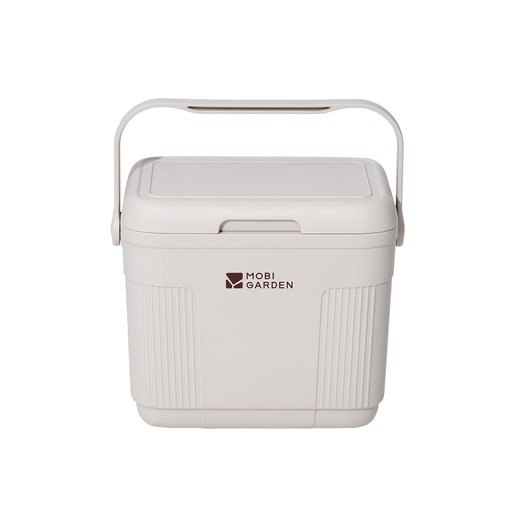
Why it suits this type of user: This passive cool box is easy to use and is ideal for picnics, day trips and short camping trips without access to electricity.
The product information specifies PU insulation all around, a silicone seal and two included ice packs. There’s no connection to worry about and no hidden power consumption.
22-litre capacity, empty weight of around 2,9 kg, food-safe PP interior and a rotating handle.

Why it suits this type of user: This model is designed for longer trips in a motorhome, car or boat, when you need active cooling and more storage space.
The listed specifications include 12/24V DC and 110/240V AC connections, three levels of battery protection and two storage zones.
49,4-litre capacity, adjustable range from -20 °C to 20 °C according to the product description, LCD controls and Bluetooth connectivity.
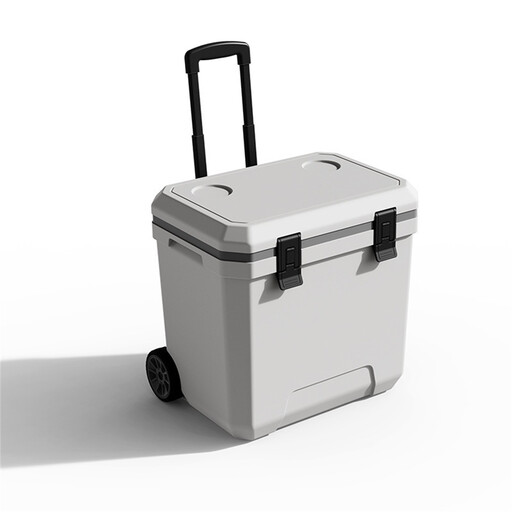
Why it suits this type of user: Its combination of capacity, insulation and all-terrain wheels makes it well suited to camping, fishing, sporting events and other outdoor activities.
The box has six-sided PU insulation, a silicone seal, snap latches and a telescopic aluminium handle with all-terrain wheels.
38-litre capacity, room for up to 45 standard cans plus ice according to the product information, two cup holders and a sturdy lid.
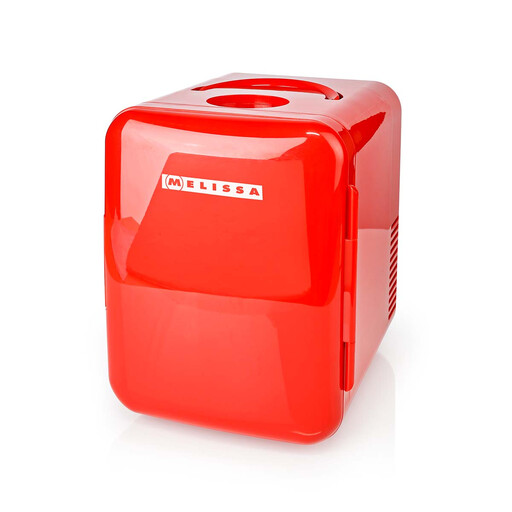
Why it suits this type of user: This compact model is designed for a few cans, snacks or cosmetics, and can be used both in the car and with a mains socket.
Its capacity is clearly limited to 4 litres and around six cans. So it’s clear from the outset that this isn’t a model for family camping.
100–240V AC and 12V DC support, cooling and heating functions, removable shelf and handle.
Where possible, put chilled products in the cool box while they’re already cold. Fill any gaps with ice or ice packs and keep the box out of direct sunlight. Open the lid as little as possible. For an electric portable fridge, keep the ventilation openings clear and make sure the cable isn’t damaged or trapped.
A passive cool box only keeps things cool for as long as its insulation and ice packs can do their job. A compressor or electric model also needs its cables, connections, ventilation and battery capacity checked. Always follow the manufacturer’s safety information and check that the outer shell, inner lining and lid are still intact.
We’ve put together a complete, up-to-date list of products that meet these strict selection criteria and current European safety regulations.
First, check that the cool box is suitable for 12V DC and that the plug supplied fits your car’s 12V socket. If the appliance will be running for a long time, it’s best to keep the engine running. Choose a model with battery protection to help preserve your vehicle’s battery, and follow the manufacturer’s instructions.
That depends on the insulation thickness, outside temperature, amount of ice, temperature of the contents and how often you open the box. Manufacturers may quote a cooling time, but performance will depend on the test conditions. For longer-lasting cooling, use large ice blocks or several ice packs, and keep the box in the shade.
It depends on the model, the temperature setting, the surroundings and how long you use it for. A compressor cool box can actively regulate the temperature, making it suitable for longer trips, but it uses electricity while running. Before buying, compare the stated power rating, energy mode, battery protection and connection options.
