
Vandaag of morgen in huis

Kwaliteit gegarandeerd

Welkomstaanbiedingen ontgrendelen: GRATIS bezorging | Tot 80% korting | Gratis 30 dagen JoyPlus-proefperiode
Download de app
A flat tire always comes at the worst time. Whether you're on your way to work, planning a weekend getaway, or prepping your bike for a ride, low tire pressure is a frustrating interruption. A portable compressor seems like the perfect solution: compact, fast, and always on hand. But the market is flooded with models that overpromise and underdeliver. Before you make a purchase, it's crucial to know the common pitfalls that lead to buyer's remorse.
As a Product Recommendation Officer at Joybuy, I see daily which specifications truly matter and which are just marketing fluff. Here are the three most common mistakes and how to avoid them.
Many manufacturers advertise an impressive 150 PSI (Pounds per Square Inch). This sounds powerful, but it says very little about speed. PSI only indicates the maximum pressure the pump can achieve. The actual inflation speed is determined by the airflow, measured in litres per minute (L/min). A mini compressor with a high PSI but low airflow will take forever to inflate a car tire, making you late anyway.
A cordless tire inflator offers ultimate convenience, but only if the battery lasts. Cheaper models often have a battery that dies after topping off a single tire, or that won't hold a charge after a few months in the trunk. You think you're prepared for an emergency, but you're left empty-handed (and with a dead battery).
Not every compact air compressor is a car tire inflator. There are many small pumps on the market designed for air mattresses, pool floats, or balls. These deliver a high volume of air at a very low pressure (often less than 1 PSI). They are completely unsuitable for inflating a car tire, which requires 30-40 PSI. The "portable compressor" label can therefore be misleading.
To make a smart choice, focus on the specifications that truly matter. These are the factors that make the difference between a useful tool and a useless gadget.
Look beyond the maximum PSI. A good car tire inflator should have an airflow of at least 20 L/min. The higher this number, the faster your tire will inflate. A model with 35 L/min can inflate a standard car tire from flat to full in just a few minutes, while a model with 15 L/min will take significantly longer. The maximum pressure is still relevant: ensure the model can handle at least 120 PSI, giving you enough headroom for car, motorcycle, and bicycle tires.
This is a crucial choice that depends on your use case.
Modern features make inflating tires easier and safer.
Based on these criteria, we've selected a few products that suit different user profiles.
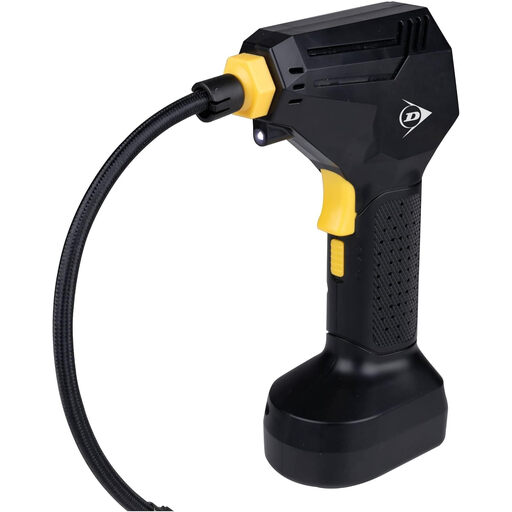
Why This Fits Their Persona: This user wants a reliable solution that always works and stays in the car for emergencies. The 12V connection guarantees the pump always has power when the car is running. No fussing with charging.
This model completely bypasses the 'disappointing battery' pitfall with its direct 12V power supply. The digital gauge and auto-shutoff feature prevent inaccuracy.
The long 3.5-metre power cord offers excellent reach. The auto-shutoff function and LED light make it safe and practical to use.
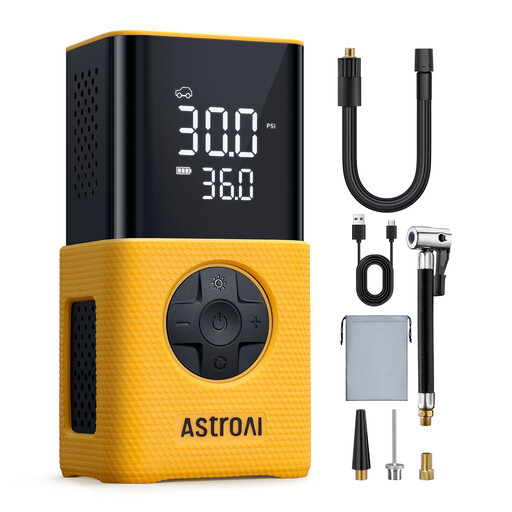
Why This Fits Their Persona: For those who seek convenience and versatility. This cordless pump is ideal for cars, motorcycles, bikes, and sports balls. It's compact enough for a backpack, and the power bank function is a handy bonus on the go.
With a 4000mAh battery, this model is designed to top off multiple tires, tackling the 'weak battery' pitfall. Its smart modes and accurate sensor prevent errors.
Fast inflation (17 L/min), an accurate digital gauge, and the ability to function as a power bank. The 5 smart modes make it very user-friendly.
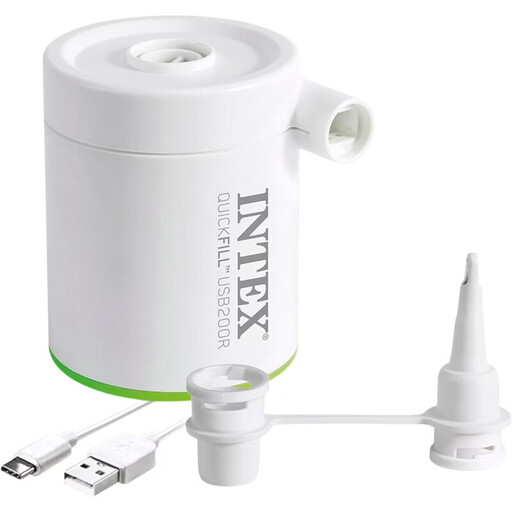
Why This Fits Their Persona: Perfect for inflating air mattresses, paddling pools, and inflatable toys. This user doesn't need high pressure, but rather high air volume and ultimate portability. It's USB-rechargeable, making it ideal for camping.
This is a perfect example of the 'wrong pump for the job' pitfall. We're highlighting it to explain: this model is ideal for low-pressure items but unsuitable for car tires. By emphasizing this, we help the user make the right choice.
Extremely compact and lightweight. It can both inflate and deflate, which is handy for packing away air mattresses. USB-rechargeable.
We have compiled a complete, up-to-date list of products that fully meet these strict selection criteria and current safety regulations.
The runtime heavily depends on the battery capacity (mAh) and the task. A model with a 4000-7500 mAh battery can top off a standard car tire (e.g., 195/65R15) from 30 to 36 PSI multiple times. For inflating a completely flat tire, the battery might be sufficient for one or two tires. For bicycle tires or balls, you can inflate them dozens of times on a single charge.
No, most compact compressors are designed for passenger cars, motorcycles, and bicycles. Tires on camper vans, commercial vans, or trucks require much higher pressure and greater air volume. For these, you'll need a heavy-duty model. Always check the manufacturer's specifications to see which vehicle types the pump is suitable for.
These are all units for measuring pressure.
Most digital tire inflators allow you to easily switch between these units, so you can always use the correct value recommended for your tires.
