
Vandaag of morgen in huis

Kwaliteit gegarandeerd

Welkomstaanbiedingen ontgrendelen: GRATIS bezorging | Tot 80% korting | Gratis 30 dagen JoyPlus-proefperiode
Download de app
A knocked-over cup of coffee, mud from the dog or stains on the car seat all call for a targeted approach. A portable carpet cleaner can be more convenient than a large floor cleaner for jobs like these. Many models look similar, though, and differences in tank capacity, suction power, cable length and maintenance can make a noticeable difference in everyday use.
Look out for these three common pitfalls:
Spot cleaners list figures such as 13, 15, 17 or 18 kPa. This is a technical measure of negative pressure. A higher figure can help draw more moisture and loosened dirt out of fabric, but results also depend on the nozzle and how slowly you move it over the material.
A compact model is often enough for occasional stains. If you regularly want to remove pet stains or clean several car seats, look for an appliance with separate clean and dirty water tanks and suction power of around 15 kPa or more. Also check whether the manufacturer says the appliance is suitable for upholstery, carpets and car interiors.
A dual-tank system keeps clean water separate from the dirt that’s been sucked up. Check the following:
Allow hoses, tanks and nozzles to dry completely after use. Leftover moisture can cause unpleasant smells. Only use cleaning products that are suitable for the appliance and the material you’re cleaning.
A corded wet cleaner has a constant power supply while you use it, but you’ll need a plug socket nearby. A long hose and cable are therefore important in a carpet cleaner for sofas, stairs or car interiors. Cordless handheld vacuum cleaners are mainly designed for dry dirt and loose hairs; they aren’t automatically suitable as upholstery cleaners or spot cleaners for liquids.
Also check the weight and how much storage space it needs. You’re more likely to use an appliance that fits under the sink than a large model you have to fetch from a storage room.
The selection below is based on the listed product specifications, features and included accessories. Brands may describe how their products work using terms such as “powerful” or “professional”. Treat these as product claims and compare them with the specific figures.
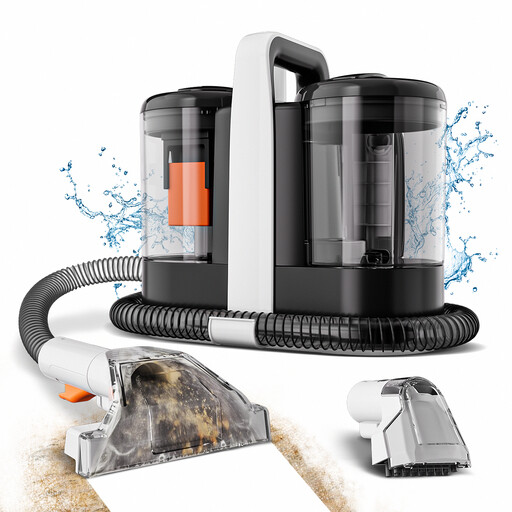
Why it suits this profile: The W07 is designed for targeted cleaning of sofas, mattresses, carpets and car seats, among other things. Its portable design and cord make it a good fit for households that need to tackle a stain now and then.
The product information lists a 1.5-litre clean water tank, a 0.8-litre dirty water tank and a 1.3-metre hose. So you don’t have to rely on a tiny reservoir straight away.
According to the product description: 600 W, 15 kPa, two brushes, dual tanks and a 3-metre cable.
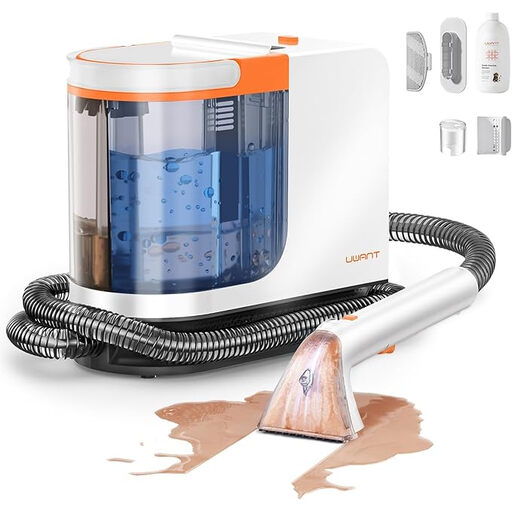
Why it suits this profile: This model is aimed at people who regularly clean sofas, rugs, car interiors or pet messes, and value a wider brush and easy maintenance.
The listed 2-in-1 tank and self-cleaning function are designed to make maintenance easier. Before buying, check which parts are cleaned automatically.
According to the product information: 18 kPa, 600 W, a 14 cm brush and a stated noise level of 75 dB.
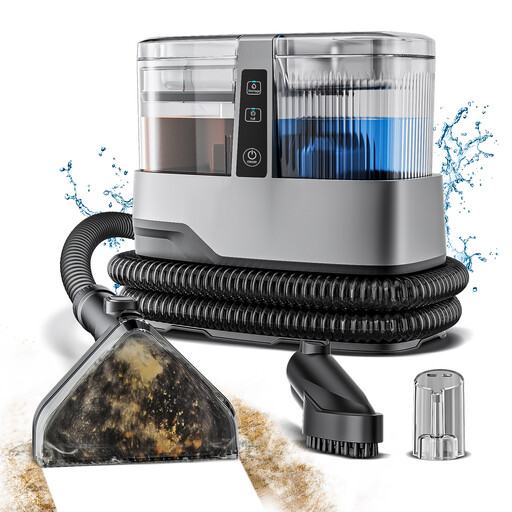
Why it suits this profile: The C688A is suitable for anyone looking for a corded spot cleaner for regular use on upholstered furniture, stairs, carpets and car interiors.
The product details list a dual tank, a 5-metre cable and care instructions that tell you to rinse the dirty water tank after every use. This makes the day-to-day routine clearer.
According to the product description: 600 W, 17,000 Pa, wet cleaning and spray, brush and suction functions.
Test it on an inconspicuous area first. Not every fabric is water-resistant, and some materials may discolour or shrink. Then work in small sections:
Don’t use a carpet cleaner on flammable liquids. A steam cleaner is also a different type of appliance from an extraction cleaner: steam can loosen dirt, but it doesn’t always suck dirty water out of fabric. So check that the product is genuinely suitable as a car interior carpet cleaner, upholstery cleaner or furniture cleaner.
We’ve put together a complete, up-to-date list of products that meet these strict selection criteria and comply with current European safety regulations.
You can if the manufacturer says the model is suitable for upholstery or fabric furniture. Test it on an inconspicuous area first and use as little water as possible. Moving the nozzle slowly as you vacuum can help draw more moisture out of the fabric.
Its lifespan depends on how you use, maintain and store it. Rinse the tanks and hose after every cleaning session, clear any blockages and let the parts dry completely. A corded model doesn’t have a battery that loses capacity over time, but the cable and motor still need looking after.
The main costs are electricity, water and, if needed, cleaning solution. For a corded appliance, you can estimate electricity use broadly from its wattage and how long you use it for. A model with a larger tank may also mean fewer interruptions when tackling several stains, while a compact machine can be more efficient for small cleaning jobs.
