
Vandaag of morgen in huis

Kwaliteit gegarandeerd

Welkomstaanbiedingen ontgrendelen: GRATIS bezorging | Tot 80% korting | Gratis 30 dagen JoyPlus-proefperiode
Download de app
A portable car fridge comes in handy on a road trip, camping holiday, at a festival or on a long drive. However, not every cool box is suited to every situation. A compact electric cool box can be ideal for drinks cans and lunch, while you’ll need a compressor cool box if you want to freeze food.
The main pitfalls often lie in the technology, not the appearance. Pay particular attention to these three points:
Below, you’ll find out which specifications matter and which type of 12V car fridge is right for your car, motorhome, boat or home.
A thermoelectric cool box usually uses a fan and semiconductor technology. According to the product description, models such as the FOHERE 15L can cool to around 8 to 18 °C below the ambient temperature. If it’s 30 °C outside, that doesn’t automatically mean the contents will reach 4 °C.
This type is suitable for:
According to the product description, the warming setting maintains existing heat; it isn’t the same as actively cooking or quickly heating food.
A compressor fridge works more like a standard fridge. Product descriptions for various models list adjustable ranges such as -20 °C to 20 °C or -18 °C to 15 °C. Depending on the model and the temperature setting, this means you can have a car fridge with a freezer.
A compressor cool box is a better choice for:
Always check that the stated temperature range comes from the brand’s product information. A brand’s claims about cooling speed, noise levels or energy consumption aren’t guaranteed to apply in every situation.
A portable cool box with a capacity of 5 to 9 litres can easily fit on a passenger seat. That makes it suitable for one person or a short journey. According to the product description, a 5L mini fridge can hold around six 330 ml cans, but leaves less room for lunch boxes or tall bottles.
These guidelines can help families or anyone planning a longer trip:
Measure the space in your car before buying. Check not only the length, width and height, but also the room needed for the lid, ventilation and cables. A model with wheels can be handy, but it often takes up more space. Also check the weight if you’ll regularly need to lift the cool box out of the car.
A good 12V/24V cool box can be used in a car, lorry or motorhome. Check whether the product works only with 12V or also supports 24V. For home use, a supplied or compatible 100–240V AC adapter is useful.
Look out for the following:
Battery protection won’t prevent a vehicle battery from running flat in every situation. Check the selected protection setting and, if you’ll be parked for a long time, use a suitable external battery or power station instead. Also keep the ventilation openings clear. Some product instructions recommend leaving around 10 cm of clear space around the ventilation openings.
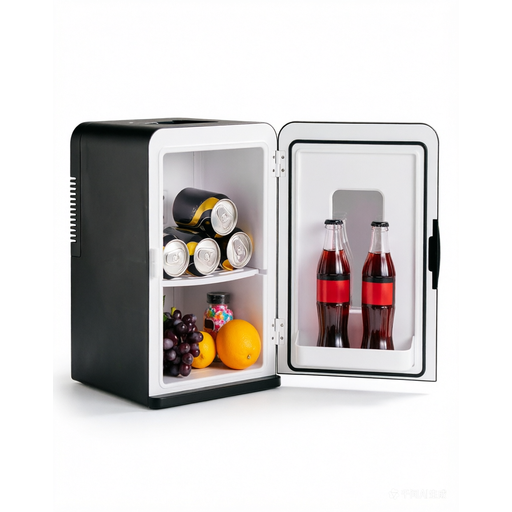
Why it suits this type of user: Its 15-litre capacity offers more room than a personal 5L fridge, while the AC and 12V connections make it suitable for use at home and on the go.
The product description makes it clear that cooling performance depends on the ambient temperature. So don’t expect this thermoelectric model to freeze food.
15-litre capacity, 220–240V AC and 12V DC connections, plus a cooling and warming function according to the product information.
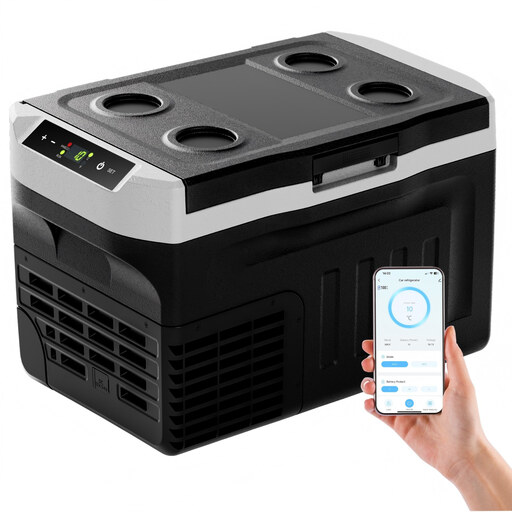
Why it suits this type of user: This size combines freezing and cooling with app control, making it suitable for travellers who want to monitor the temperature and energy use.
The product information specifies a compressor, an adjustable range of -20 °C to 20 °C and three battery protection settings. This clearly sets it apart from a standard electric cool box.
21-litre capacity, 12/24V DC and 220–240V AC connections, app control, and ECO and MAX modes listed in the product information.

Why it suits this type of user: Its 42-litre capacity is designed for campervan, boat and family use, where taking enough supplies for several days matters more than having a compact size.
The product description lists 12/24V DC, 100–240V AC and three battery protection settings. Do check that 42 litres will fit in your available boot space.
42-litre capacity, compressor cooling to a stated range of -18 °C to 15 °C, and ECO mode according to the product information.
We’ve put together a full, up-to-date list of products that meet these strict selection criteria and current European safety requirements.
Yes, if the model is designed for it. Check that the supplied cable fits a 12V socket and that the cool box has enough space for ventilation. Lorries require a model that supports 24V. Use an AC adapter if you want to use the fridge at home or with a campsite power supply.
That depends on its power consumption, battery capacity, the outside temperature and the battery protection setting. A compressor fridge may use less power in ECO mode than when cooling quickly all the time, but the exact running time varies from one situation to another. If you’ll be parked for a long time, a power station or dedicated motorhome battery is a more practical option than the starter battery.
Not necessarily. Both systems can make noise from their fans, while a compressor also causes compressor vibrations. Check the stated noise level in the product information and place the fridge on a stable surface with enough room for ventilation. If you’re sleeping in a motorhome, where you position the cool box is just as important as its stated decibel level.
