
Vandaag of morgen in huis

Kwaliteit gegarandeerd

Welkomstaanbiedingen ontgrendelen: GRATIS bezorging | Tot 80% korting | Gratis 30 dagen JoyPlus-proefperiode
Download de app
A portable car fridge comes in handy on a road trip, camping weekend, fishing trip or long drive. However, not every electric cool box is suited to the same situation. A compact model for drinks works differently from a compressor cool box that can freeze food.
Most disappointing purchases come down to three common misconceptions:
So don’t base your decision on price alone. Focus on the cooling system, power supply, capacity and how you plan to use the cool box.
A thermoelectric cool box uses a Peltier element and a fan. This type is generally compact and suitable for drinks, snacks and lunch boxes. However, its performance depends on the ambient temperature. If the car is parked in direct sunlight, it may take longer for the contents to cool.
A compressor cool box works more like a small fridge. According to the product descriptions of the models below, some versions can reach sub-zero temperatures. This makes them better suited to camping, campervans, boats and longer trips when you need to store frozen food. The trade-off is usually a larger size and a higher purchase price.
Be aware of the difference between:
A 12V car cool box is usually connected to the cigarette lighter or a similar DC socket. A 12V/24V fridge may be more practical for lorries, campervans and boats. Check which type of socket your vehicle has before you buy.
An AC adapter is useful for use at home or on a campsite. Some models come with cables for 12V/24V DC and 100–240V AC. For others, a 220–240V adapter is optional and isn’t included as standard.
Built-in battery protection is useful if the cool box will be running for an extended period. According to the product information, this feature switches the appliance off if the battery voltage gets too low. Even so, check the manual and don’t leave an electric cool box connected to a vehicle battery unattended.
For one or two people, 6 to 10 litres may be enough for cans, fruit, sandwiches and snacks. A 22-litre portable camping fridge offers more room for several days away. Models with a capacity of 35 litres or more are better suited to families, campervans and longer stays, but they also take up considerably more boot space.
Before you buy, check:
A model with a warming function can be handy for lunch or takeaway meals. According to the product information for various models, the maximum keep-warm temperature is around 60 to 65 °C. The actual temperature may vary depending on the surroundings, how full the cool box is and its insulation.
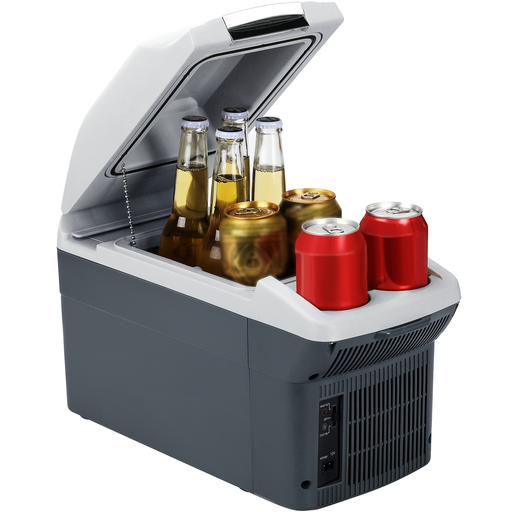
Why it suits this profile: This model is designed for everyday use in the car, short outings and road trips. Its 9-litre capacity gives you room for drinks, sandwiches and snacks without the bulk of a large campervan fridge.
The product information clearly states that it runs on 12V and has cooling and warming functions, with a noise level of around 40 dB. Check whether you’ll need a separate adapter for use at home.
9-litre capacity, two cup holders, a carry strap and controls for cooling or warming.

Why it suits this profile: With its compressor, 22-litre capacity and DC/AC power supply, this model is a good fit for campers, campervan owners and travellers spending several days on the road.
According to the product description, the temperature can be set from -18 °C to 15 °C. This sets it apart from a basic thermoelectric cool box.
22 litres, 12V/24V DC, 100–240V AC and three-stage battery protection, according to the product information.

Why it suits this profile: The 35-litre capacity, two storage zones and wheels make this model practical for families, campervans and longer stays, when the cool box will usually be kept in the boot.
According to the product details, the compressor allows you to set the temperature from -20 °C to 20 °C. The built-in L/M/H battery protection helps reduce the risk of draining your vehicle battery.
35 litres, two zones, 12V/24V and 220–240V power, wheels and app control, according to the product description.
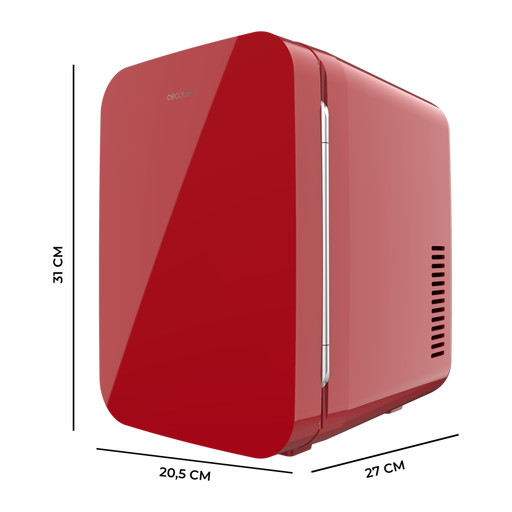
Why it suits this profile: This compact model is designed for use in the car, caravan, on a campsite, in the bedroom or at the office, and works with both 12V and 220V power.
The listing clearly states that it uses a thermoelectric cooling system and has no freezer compartment. This makes it clearer what the model is and isn’t designed for.
6 litres, adjustable temperature, one shelf and compatible with 12V/220V, according to the listed specifications.
We’ve put together a full, up-to-date list of products that meet these strict selection criteria and the applicable European safety regulations.
That depends on the vehicle battery and the appliance’s battery protection. A compressor cool box with adjustable protection can switch off the power if the voltage drops too low. However, not every car’s 12V socket works when the engine is off. Check your vehicle manual.
Power consumption varies depending on the cooling system, ambient temperature, settings and insulation. A compressor model often uses less power continuously once it has reached the desired temperature, but the exact consumption is listed in each product’s technical specifications. According to the product information, ECO mode can help reduce power consumption.
Only if the model has a compressor and a temperature range below 0 °C. A thermoelectric cool box or mini car fridge is usually designed to cool, and sometimes warm, food and drinks—not to freeze them. Always check the stated temperature range and the manufacturer’s instructions.
