
Vandaag of morgen in huis

Kwaliteit gegarandeerd

Welkomstaanbiedingen ontgrendelen: GRATIS bezorging | Tot 80% korting | Gratis 30 dagen JoyPlus-proefperiode
Download de app
A portable car fridge is handy for long drives, camping holidays, working on site and transporting food and drink. However, compact coolers can vary considerably in how they work, their capacity and their power consumption. A model that’s ideal for six cans won’t necessarily be suitable for a campervan, boat or lorry.
Look out for these three common pitfalls:
A thermoelectric electric cooler is compact and often suitable for short car journeys. Some models also have a cooler with a heating function, so you can keep food warm. However, performance depends on the ambient temperature, ventilation and insulation.
A compressor fridge works differently. Its compressor actively cools, and models with a range below 0 °C can also be used as freezers, according to the product description. This type makes more sense for:
Check the stated temperature range, for example -20 °C to 20 °C, but treat speed claims such as “cooled in 15 minutes” as specifications from the brand’s product description. The actual time depends on the starting temperature, how full the cooler is and ventilation.
A portable mini fridge with a capacity of 4 to 6 litres fits easily on a car seat or desk. For example, a 4-litre model holds around six 33 cl cans, according to MELISSA product information. For a family, campervan or longer trip, 18 to 22 litres is more practical.
Larger models with a capacity of 35 to 50 litres have room for meals, bottles and groceries, but also take up considerably more boot space. So check:
A 12V car fridge needs a suitable 12V connection. Some models support 12V/24V coolers, making them suitable for cars, campervans, lorries and boats. For use at home or on a campsite, a supplied or suitable 100-240V adapter is important.
Built-in battery protection can switch off the power when the vehicle battery reaches a low voltage. According to the product descriptions of various compressor coolers, this works through adjustable settings such as low, medium and high. Always check that this feature is included, and don’t leave a cooler running unattended on a vehicle battery for long periods without following the manual.
Place the cooler on a stable, level surface and keep the vents clear. Some product descriptions recommend leaving around 10 centimetres of space around the vents. After transport, a compressor cooler may need to stand upright for a while before use. Follow the manufacturer’s instructions.
The recommendations below are based on verifiable features in the supplied product information. Claims made by brands about noise, speed or insulation aren’t presented here as guaranteed results.
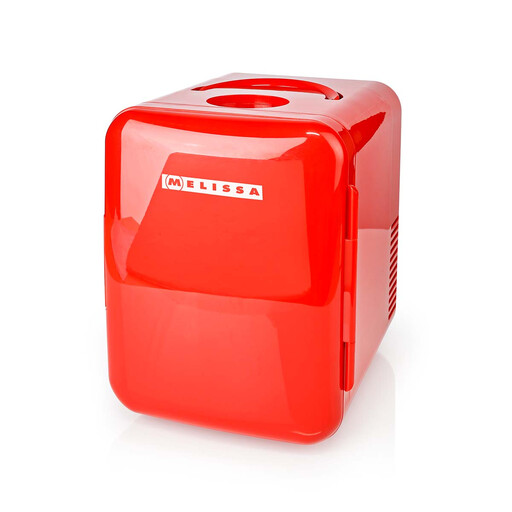
Why it suits this shopper: Its 4-litre capacity is suitable for a few drinks, snacks or cosmetics. With 100-240V AC and 12V DC power, you can use this portable mini fridge at home, in the office or in the car.
Its capacity and thermoelectric design make it clear that this model is intended for small quantities, not freezing or a big grocery shop.
4-litre capacity, removable shelf, cooling and heating functions, and 12V or 100-240V power supply.
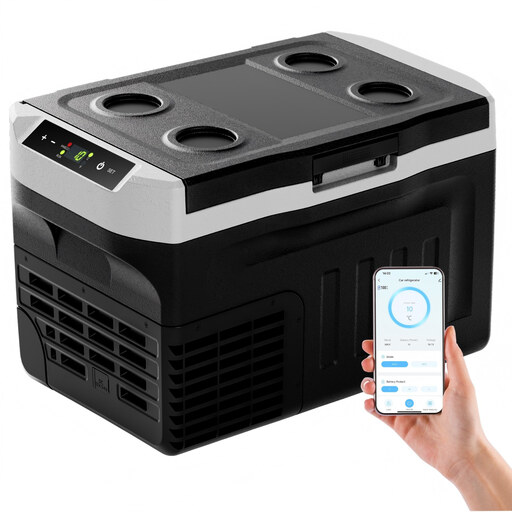
Why it suits this shopper: This compressor cooler combines a 21-litre capacity with a stated temperature range of -20 °C to 20 °C. It’s a good fit for travellers who want to carry both chilled and frozen food.
The compressor and wide adjustable temperature range make it clear how this differs from a basic thermoelectric cooler.
12/24V DC and 220-240V AC, app control according to the product description, battery protection and LED lighting.
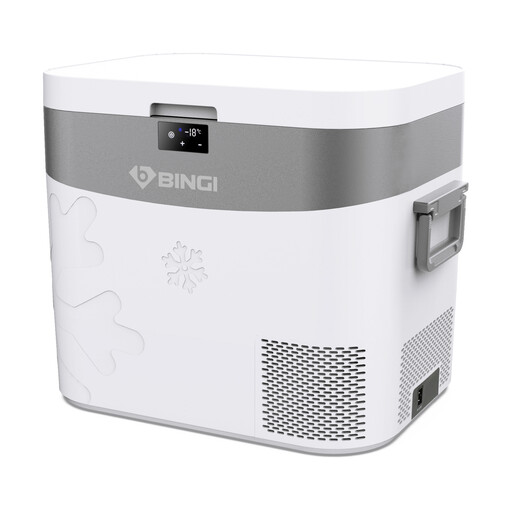
Why it suits this shopper: With a 22-litre capacity and a compressor, this model is suitable for camping, campervans, lorries, boats and longer car journeys when you need a car fridge with a freezer.
The product description lists 12/24V DC, 100-240V AC and three battery protection levels. Still, check the settings before using it in your vehicle.
22 litres, adjustable from -18 °C to 15 °C, compressor, AC/DC power and a stated battery protection system.
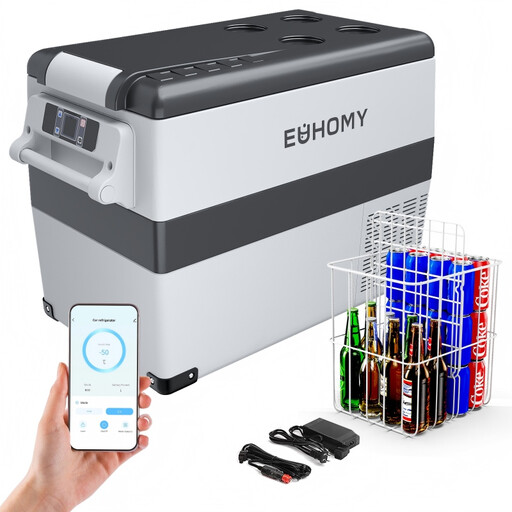
Why it suits this shopper: With a 40-litre capacity, two storage zones according to the product description, and 12/24V plus 100-240V power, this model is designed for larger quantities on trips in a campervan, caravan or boat, or when travelling in a group.
Its larger dimensions make its capacity clear, so you can check in advance whether it will fit in your boot, caravan or boat.
Temperature settings from -20 °C to 20 °C, ECO and MAX modes, app control according to the product description, and battery protection.
We’ve put together a complete, up-to-date list of products that meet these strict selection criteria and the applicable European safety regulations.
Yes, it can if it keeps running for a long time while the engine is off. A model with adjustable battery protection can help reduce the risk, but it won’t prevent the battery from losing charge. Also check whether the cooler switches off automatically, and follow the manufacturer’s instructions.
A thermoelectric cooler usually cools to a temperature below ambient and is often compact and affordable. According to the product description, a compressor fridge can actively cool to below 0 °C, making it better suited to freezing, extended use and larger quantities of food. The trade-offs are usually greater weight, more space needed and a higher purchase price.
Its lifespan depends on ventilation, transport, cleaning, power supply and how often you use it. Keep the vents clear, avoid tilting compressor coolers unnecessarily, and clean the appliance only as instructed in the manual. Before buying, also check the warranty and service terms for the specific model.
