
Vandaag of morgen in huis

Kwaliteit gegarandeerd

Welkomstaanbiedingen ontgrendelen: GRATIS bezorging | Tot 80% korting | Gratis 30 dagen JoyPlus-proefperiode
Download de app
A portable Bluetooth speaker seems simple: pair it with your smartphone and play music. But models vary considerably in size, sound quality, battery life and water protection. A low price can be tempting, but a speaker that stops working after a few showers or runs out of charge quickly when you’re out and about can soon prove to be an inconvenient purchase.
Look out for these common pitfalls:
For an outdoor Bluetooth speaker, the IP code is a useful thing to check. The first digit indicates protection against solid particles, such as dust. The second digit relates to water.
A Bluetooth speaker with an IP67 rating is classified as completely dust-tight and designed for temporary immersion under specified conditions. This doesn’t mean you can use the speaker underwater indefinitely. Make sure the covers over USB ports are firmly closed and always follow the manufacturer’s instructions. Salt water, chlorine and powerful water jets can still cause damage.
A model with IP66 is protected against dust and powerful water jets, but doesn’t have the same immersion rating. This difference matters if you plan to use it in the bathroom, on a campsite or at the beach.
If you’re looking for a portable speaker with long battery life, don’t just check the number of hours. Also check:
A stated playback time of 12 to 24 hours is usually a manufacturer’s estimate under certain conditions. At higher volumes, actual battery life may be shorter. Twelve hours may be enough for a day’s cycling or an afternoon in the park; for a weekend without a mains socket, a larger battery is more convenient.
A compact Bluetooth speaker is easy to take with you, but a smaller size often limits the space available for speakers and bass radiators. So check the weight, dimensions and features such as TWS pairing. This lets you connect two compatible speakers wirelessly for a more spacious stereo sound.
A speaker with deep bass can be appealing for electronic music and parties, but think about where you’ll use it, too. Sound travels differently outdoors than it does in a living room. A model that projects sound in all directions may be more practical on a picnic table than one that directs most of its sound in a single direction.
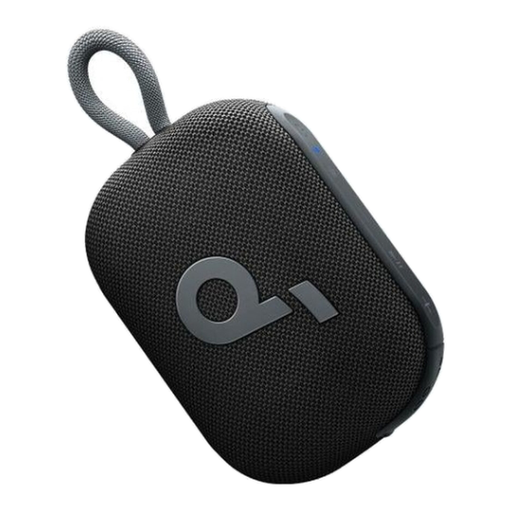
Why it suits this profile: A lightweight model for a smartphone, tablet or laptop, suitable for everyday use, walks and short trips.
The product information states a 20-hour battery life and an IP67 rating. When using it, make sure the port is properly sealed.
263.65 grams, 5 W audio output according to the product details, IP67 and TWS pairing.
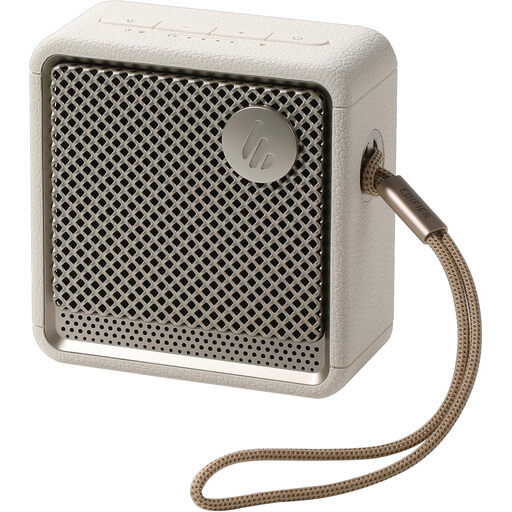
Why it suits this profile: Designed for listeners who value customisable settings, a compact design and the ability to connect multiple devices.
As well as Bluetooth 5.4, the product information lists IP67 protection and an app for control. This makes it easy to check important usage details.
6 W RMS, up to 15 hours of stated battery life, IP67, ambient lighting and stereo pairing.
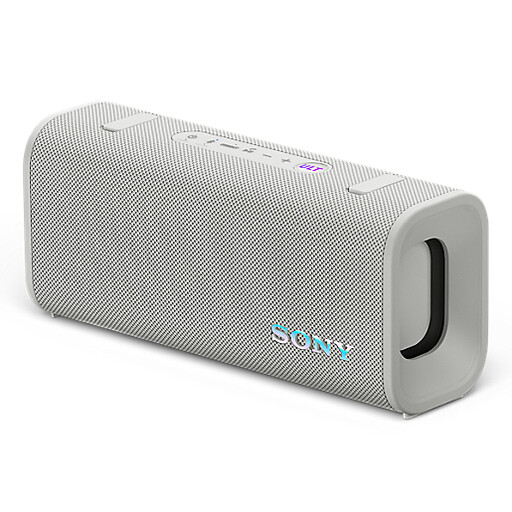
Why it suits this profile: An option for outdoor use, larger spaces and parties where you want extra volume and bass.
According to Sony’s product information, this model has IP67 protection, a stated battery life of 24 hours and a 7-band equaliser. The ULT feature is an adjustable sound mode, not a guarantee of a particular listening experience.
27 W RMS, 24 hours of stated battery life, USB-C, 3.5 mm audio input and a weight of around 1.2 kg.
A Sony Bluetooth speaker such as the SRS-XB100 may be a good choice if a compact size, a carrying strap and IP67 protection are important to you. According to Sony’s product information, this model weighs 274 grams and offers up to 16 hours of battery life. Check the available colours and latest specifications on the product page before ordering.
We’ve put together a complete, up-to-date list of products that meet these strict selection criteria and comply with current European safety regulations.
First, charge the speaker and switch it on. Press and hold the Bluetooth or pairing button until the indicator light flashes. Then open the Bluetooth settings on your smartphone, select the speaker’s name and confirm the pairing. The next time you connect, it will usually happen automatically as long as Bluetooth is switched on.
It varies by model and how you use it. The range includes models with a stated playback time of around 8 to 24 hours. Volume, the sound mode you use, lighting and ambient temperature all affect actual battery life. Treat the manufacturer’s figure as a guide, not a guarantee.
While playing music, a portable speaker mainly uses power from its built-in battery. The cost of each charge is generally low, but depends on the battery capacity and your electricity tariff. A smartphone or laptop USB-C charger is often suitable if its specifications match. Check the manual before using a different adapter.
