
Vandaag of morgen in huis

Kwaliteit gegarandeerd

Welkomstaanbiedingen ontgrendelen: GRATIS bezorging | Tot 80% korting | Gratis 30 dagen JoyPlus-proefperiode
Download de app
A portable Bluetooth speaker may seem easy to choose: connect your phone, press play and you’re ready to go. Yet many disappointments come from specifications that aren’t read carefully. A compact speaker, for example, may not be as loud as you expect, while a long battery life often applies only under certain conditions.
If you want to listen to music in your living room, at a campsite, on the beach or during a garden party, three things matter most: actual battery life, protection against water and dust, and the balance between size and sound output.
Manufacturers sometimes quote 12, 16 or even 25 hours of playback time. These figures are usually maximum estimates. Volume, music type, active lighting and the features in use all affect actual battery life.
A Bluetooth speaker with long battery life isn’t automatically the right choice. Also check:
The IP rating indicates how well a device is protected against dust and water. An IP67 speaker is fully dust-tight and, according to its rating, can be temporarily immersed in fresh water. That doesn’t mean it’s safe to use for long periods in a swimming pool, in seawater or under a powerful jet of water.
Also check that the USB ports are properly sealed. On many models, the cover must be fully closed before you use the speaker outdoors. Always check the safety information for the specific model.
A compact speaker is easy to carry, but it usually has less room for speakers and lower output power than a larger outdoor speaker. So don’t just look for marketing claims such as “powerful sound”. Check:
A 3.3 kg speaker may be better suited to a garden party than a 274 g model, but it’s less practical for cycling or walking.
For mainly indoor use, splash resistance may be enough. If you’re going to the beach, camping or boating, look for a waterproof Bluetooth speaker with a clearly stated IP rating.
An IP rating doesn’t protect against drops, heat, salt water or connectors that haven’t been closed properly.
For everyday use on the go, a stated playback time of 12 to 16 hours is often practical. A compact speaker weighing around 260 to 700 g is easier to fit in a bag. Larger models usually deliver more volume, but take up more space and are less suitable for long walks.
Also check whether battery life changes when the LED lights are on. For example, the Tronsmart T7 is listed as having a longer battery life with the lights off than with them on.
Bluetooth 5.3 or 5.4 mainly tells you which connectivity standard is used; it doesn’t guarantee better sound by itself. Also check the supported audio codecs, connection range and which devices you want to use with the speaker.
Useful extra features include:
The models below have been selected based on their stated specifications, such as battery life, IP rating, dimensions, weight and connection options. Claims about sound, bass or user experience come from information provided by the relevant brands or sellers. They are not a general guarantee for every listener.
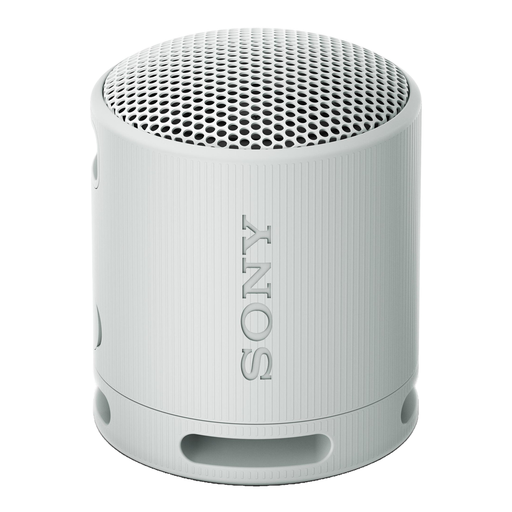
Why it suits this profile: This lightweight speaker weighs 274 g and has a carry strap. That makes it suitable for everyday use, travel and short trips.
The product details state a 16-hour battery life and IP67 protection. Be sure to check the port cover and usage conditions in the manual.
Bluetooth 5.3, USB-C, built-in microphone, TWS pairing and a weight of 274 g.
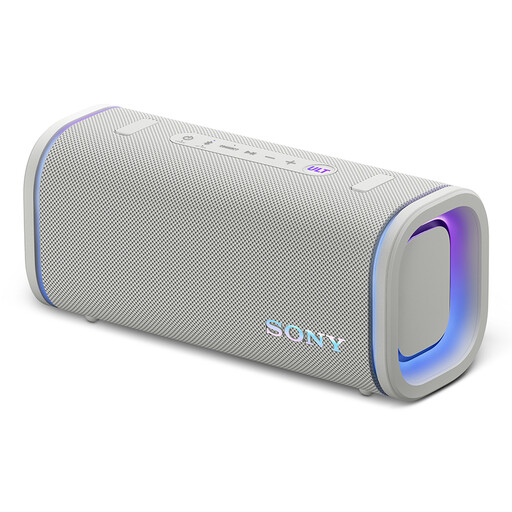
Why it suits this profile: This larger model is aimed at people looking for more volume, adjustment options and longer battery life at home or outdoors.
Its size and weight make it clear that this isn’t an ultra-compact speaker. That helps you set more realistic expectations for volume and portability.
According to the product details: 25-hour battery life, IP67, 27 W RMS, 3.5 mm jack and a 10-band equaliser via the app.
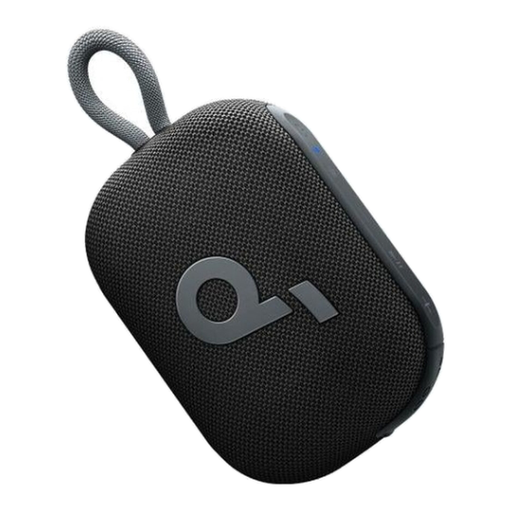
Why it suits this profile: Its low weight, integrated strap and stated IP67 rating make this model a good fit for walking, cycling, camping and trips to the beach.
The product specifications explicitly state that it’s protected against dust and water and has a floating design. Still, check the limits for water exposure and port covers.
According to the product information: up to 20 hours of playback, 5 W sound, IP67 and TWS pairing.
We’ve put together a complete, up-to-date list of products that meet these strict selection criteria and the applicable European safety regulations.
Switch on the speaker and activate pairing mode. Then open the Bluetooth settings on your smartphone and select the speaker’s name. Some models with Fast Pair support a quicker connection with certain Android devices. Keep the manual handy if the speaker doesn’t appear.
It depends on the volume, lighting, connection and type of music. The figures in product information are usually maximum battery life estimates. For reliable planning, check the battery life with the features you actually want to use switched on.
An IP rating isn’t a general guarantee that a speaker is suitable for use in salt water. Salt can damage connectors and materials. Follow the manufacturer’s safety instructions, and only rinse a speaker if the product information says it’s safe to do so. Make sure the casing and ports are completely dry before charging.
