
Vandaag of morgen in huis

Kwaliteit gegarandeerd

Welkomstaanbiedingen ontgrendelen: GRATIS bezorging | Tot 80% korting | Gratis 30 dagen JoyPlus-proefperiode
Download de app
A portable Bluetooth speaker might seem easy to choose: look at the power output, battery life and an attractive price. But marketing claims on their own don’t always tell the whole story. A compact speaker might sound great in a bedroom, for example, but not be loud enough for a garden party. And a model with a high IP rating isn’t automatically suitable for prolonged use underwater.
For UK shoppers, three questions are especially important:
Below, I explain which specifications to check and which models suit different situations.
Manufacturers usually quote the maximum playback time under specific conditions. Volume, the codec used, lighting and the type of music all affect power consumption. The Tronsmart T7, for example, is quoted as lasting up to 12 hours with the LED lighting off, while the stated playback time is lower with the lights on.
Using a Bluetooth speaker with long battery life for a camping weekend or a long day at the beach? Don’t just look at the highest number of hours. Check:
An IP67 speaker is fully protected against dust under the IP rating system and can be temporarily immersed in water under specified conditions. This protection only applies when the covers and ports are properly closed. Salt water, chlorine, high pressure and prolonged submersion can still cause damage.
Also, be aware of the difference between IP67 and IPX7. IPX7 indicates water resistance, but doesn’t specify dust protection. A full dust rating can therefore be important for the beach, camping and dusty outdoor locations.
Output power helps you estimate maximum volume, but it doesn’t tell you how a speaker sounds. The cabinet, speaker configuration, passive radiators and tuning all play a part too. A compact Bluetooth speaker with 5 watts may suit a desk or picnic, while a 27- or 30-watt model may be a better fit for a larger garden.
Also check whether it offers mono, stereo or 360-degree sound. If you want stereo playback, a model with TWS or stereo pairing could be worth considering, provided you plan to use two compatible speakers.
For everyday indoor use, 8 to 12 hours may be enough. For travel, festivals or camping, 20 to 25 hours is more practical. The Sony ULT FIELD 3, for example, is quoted as lasting up to 24 hours, while the Sony ULT FIELD 5 is rated for up to 25 hours. These figures are maximums, so check the conditions in the product specifications.
USB-C is now a convenient standard for charging. Some models also have a power bank function, so you can top up a mobile phone while you’re out and about. This does use extra power from the speaker, though.
A 274-gram speaker is easier to take with you than a 3.3-kilogram model. On the other hand, larger cabinets often have more room for speakers and battery capacity. So think about where you’ll use it most:
Bluetooth 5.2, 5.3 or 5.4 tells you which Bluetooth version is used, but doesn’t on its own tell you how far the signal will reach in every home. Walls and other wireless devices can have an impact. If your source device uses them, also check for support for codecs such as SBC, AAC or LDAC.
A built-in microphone can be useful for phone calls. App controls, an equaliser, lighting, multipoint and stereo pairing are handy if you’ll actually use them. Extra features often add to the weight, price or power consumption.
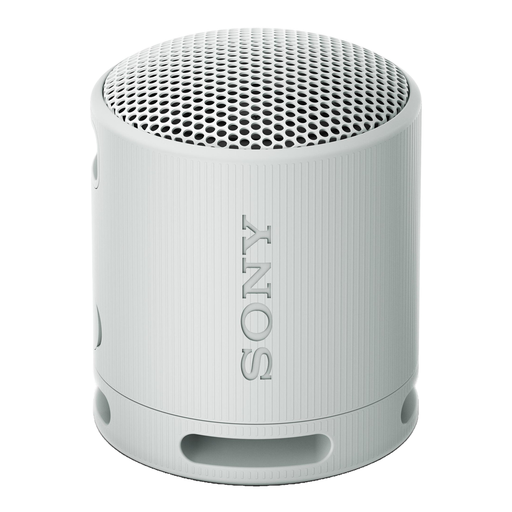
Why it suits this type of user: Weighing 274 grams, with a carry strap and compact design, this model is practical for everyday use, a walk or a small outdoor gathering.
The product specifications quote 16 hours of battery life and IP67 dust and water protection. Just make sure the USB-C cover is properly closed before use.
274 grams, Bluetooth 5.3, USB-C, built-in microphone and the option to pair with a second speaker.
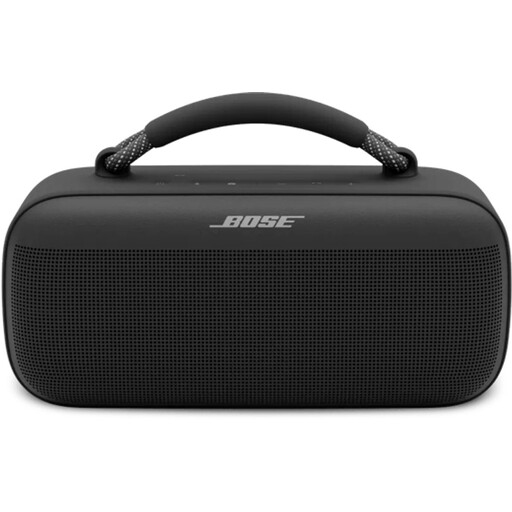
Why it suits this type of user: This heavier 3.2-kilogram model is for anyone who wants more room-filling sound at home and on the go, and is less concerned about having an ultra-light design.
The product specifications clearly state the weight and maximum battery life of 20 hours. This makes it easier to decide in advance whether the size suits the way you’ll use it.
Up to 20 hours of battery life, IP67 rating, Spotify Connect, AirPlay and control via a mobile app.
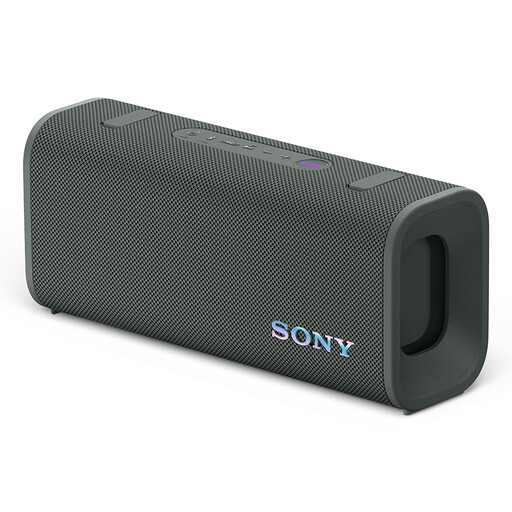
Why it suits this type of user: With up to 24 hours of battery life, an IP67 rating and a weight of around 1.2 kilograms, this model is designed for long days outdoors, travelling and larger spaces.
The combination of battery life, IP67 protection and a portable design means you don’t have to choose based on a high wattage alone, without considering how long it lasts or how well protected it is.
27 watts RMS, USB-C, 3.5 mm audio input, power bank function, in-app equaliser and pairing with compatible Sony speakers.
We’ve put together a complete, up-to-date list of products that meet these strict selection criteria and current European safety regulations.
Switch on the speaker and activate pairing mode. Then open the Bluetooth settings on your mobile phone, tablet or laptop and select the speaker’s name. You may need to confirm the connection on both devices the first time you pair them. If you have trouble connecting, check that the speaker isn’t already connected to another device.
It depends on the model and how you use it. The specifications for the models in this range vary from around 9 to 25 hours. A higher volume, active lighting and heavy bass can all reduce actual playback time. For regular outdoor use, a model with a stated battery life of at least 16 hours is a practical choice.
Yes, as long as its casing is designed for it. Check the IP rating and close all the ports before the speaker gets wet. A waterproof Bluetooth speaker isn’t automatically resistant to salt water, sand or prolonged submersion. After using a speaker by the sea, rinse it carefully according to the manufacturer’s instructions and only charge it once it’s completely dry.
