
Vandaag of morgen in huis

Kwaliteit gegarandeerd

Welkomstaanbiedingen ontgrendelen: GRATIS bezorging | Tot 80% korting | Gratis 30 dagen JoyPlus-proefperiode
Download de app
Choosing a portable Bluetooth speaker might seem simple: connect your smartphone, press play and take it with you. In reality, speakers vary greatly in size, battery life, sound quality and water protection. A low price can be tempting, but a speaker that runs out of battery quickly or can't handle rain and sand isn't very convenient.
That's why Joybuy's Product Recommendation Officer filters the most important information from product descriptions and turns it into practical buying criteria. This helps you compare wireless speakers based on verifiable features rather than marketing terms.
Manufacturers usually state the battery life under specific test conditions. A speaker with lights, high volume or heavy bass can run out of power faster than the stated maximum playtime. Always check if the battery life is specified at a certain volume level or with extra features enabled.
Also, take a look at the charging port. A USB-C port is compatible with many modern chargers, smartphones and power banks. Do check if a cable is included and whether the port can be properly sealed after use.
A waterproof Bluetooth speaker always has a specific IP rating. This rating describes its protection against dust and water under certain test conditions. For example, an IP67-rated speaker is completely dustproof and designed for temporary immersion according to the specified standard. This does not mean that long-term use in saltwater, chlorinated water or under a powerful jet of water is recommended.
Furthermore, make sure that the flaps covering the USB or audio ports are closed. An open port can compromise the speaker's protection.
A higher wattage can indicate more output power, but it doesn't tell the whole story about how a speaker sounds. The number of drivers, passive bass radiators, the housing and its placement all affect the audio reproduction. A small speaker might be practical for a bike ride, while a larger model is better suited for a garden party.
So, don't just focus on terms like "powerful bass" or "room-filling sound". Compare the size, RMS power and features like an equaliser or stereo pairing.
For an outdoor Bluetooth speaker, two numbers in the IP rating are important:
For the beach, a campsite or use in a damp garden, IP67 is a practical choice. If you only listen indoors, you usually don't need to pay extra for a high IP rating.
A compact Bluetooth speaker is handy for carrying in a backpack, pannier or handbag. Besides the dimensions, pay attention to the weight and carrying options. An integrated loop or an adjustable carrying strap makes a portable speaker easier to take with you.
According to its product specifications, the Sony SRS-XB100 weighs 274 grams and measures 95 × 76 × 76 millimetres. This makes this type of speaker ideal for on the go. Larger models often offer more speaker power but also take up more space.
Compare the stated playtime, but bear in mind the volume, lighting and audio content. For daily use, 12 to 16 hours may be sufficient. If you spend long days outdoors, you might want to look for models with 20 hours or more. A power bank function is also useful for charging your smartphone on the go.
Bluetooth 5.3 or Bluetooth 5.4 can provide an up-to-date connection, but you should also check for compatibility with your smartphone, tablet or laptop. Features like TWS pairing allow you to use two compatible speakers together.
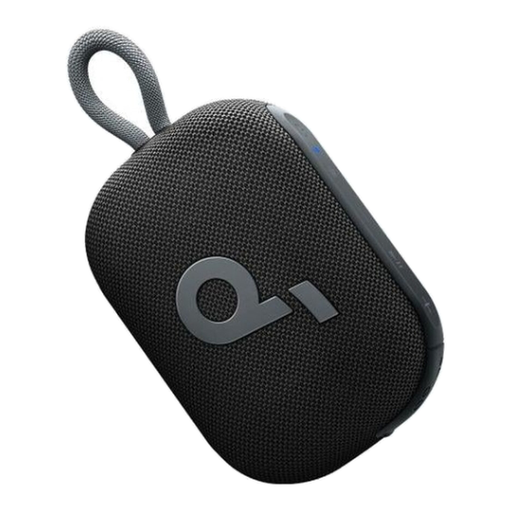
Why it's a good match: This model is lightweight, compact and designed for everyday use while walking, cycling or spending a day by the water.
The product specifications mention IP67 protection and a battery life of up to 20 hours. Be sure to check the volume and selected features during use.
263.65 grams, IP67, integrated carrying loop, 5 W sound output and TWS pairing.
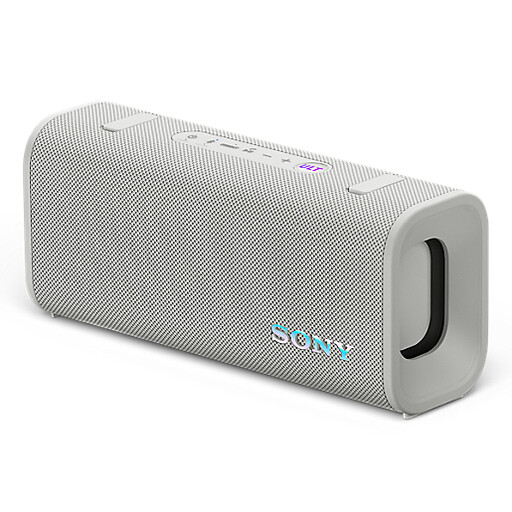
Why it's a good match: A great Sony Bluetooth speaker for those who want more sound power, adjustable audio and longer battery life.
The IP67 rating and sealable ports are ideal for outdoor use. The stated 24-hour battery life should be considered the maximum playtime.
27 W RMS, 24-hour battery life, 7-band equaliser, power bank function and a weight of approx. 1.2 kg.
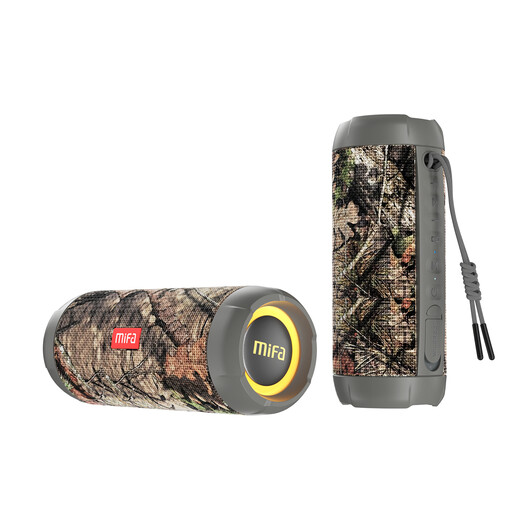
Why it's a good match: Aimed at camping, beach trips, pool use and gatherings where extra volume and protection are needed.
The stated IP67 protection, ability to float and Bluetooth 5.3 are perfect for outdoor use. Use the device according to the safety instructions.
30 W audio, 45° design, Micro SD support, dual-device pairing and up to 12 hours of playtime.
We have compiled a complete, up-to-date list of products that fully meet these strict selection criteria and comply with applicable European safety regulations.
Turn on the speaker and activate pairing mode. Then, open the Bluetooth settings on your smartphone and select the speaker's name from the list. With some models, Android devices support faster pairing. Keep the devices close to each other during the initial connection.
This depends on the volume, Bluetooth codec, lighting and extra features. The products in this selection have stated playtimes ranging from approximately 8 to 24 hours. Consider this a maximum and charge the speaker before you head out on a long trip or outdoor activity.
While playing music, a speaker mainly draws power from its built-in battery. The cost per charge is generally low but varies depending on the battery capacity and your electricity tariff. To avoid unnecessary charging, turn off the lights and the speaker itself when you're not using them.
