
Vandaag of morgen in huis

Kwaliteit gegarandeerd

Welkomstaanbiedingen ontgrendelen: GRATIS bezorging | Tot 80% korting | Gratis 30 dagen JoyPlus-proefperiode
Download de app
A portable Bluetooth speaker might seem straightforward to choose at first. But many buyers are swayed by a high wattage, a prominent bass mode or an IP rating without checking what those specifications mean in practice. The result? A speaker that’s too heavy to take out and about, runs out of battery quickly or is less resistant to moisture than expected.
This guide helps you compare a Bluetooth speaker, wireless speaker or portable speaker by the things that make a difference day to day. Think size, battery life, sound, connectivity and protection from water and dust.
A higher wattage can indicate more headroom, but it doesn’t determine how a speaker sounds on its own. The enclosure, speaker configuration, passive radiators and tuning all play a part. As a result, a compact speaker with a lower stated power output may sound more pleasing than a larger model with an impressive figure on the box.
So look out for:
A small Bluetooth speaker is often enough for background music in the kitchen. For a garden party or a larger space, a more powerful Bluetooth speaker makes more sense.
An IP67 speaker is classified as completely dust-tight and able to withstand temporary immersion under specified conditions. That doesn’t mean you can leave it in a swimming pool indefinitely, rinse it under the tap or expose it to water while it’s charging.
Always check that:
A waterproof Bluetooth speaker is especially handy in the rain, at the beach, on a camping trip or around the pool. The IP rating doesn’t replace careful use.
A stated battery life usually applies under specific conditions. High volume, powerful bass, lighting and low temperatures can all reduce actual play time. So don’t just look at the number of hours; think about how you’ll use the speaker, too.
A model with 12 hours of battery life may be suitable for an afternoon outdoors. If you’re looking for a speaker for a weekend away, consider one with 20 to 25 hours of battery life or a power bank function.
A speaker for your bike bag or rucksack should be compact, but also easy to hold or hang up. The Sony SRS-XB100, for example, weighs 274 grams and has a carry strap. The Sony ULT FIELD 1 weighs 650 grams, while the ULT FIELD 3 weighs around 1.2 kilograms.
A heavier speaker may have a larger enclosure and more powerful sound, but it’s less convenient to carry around every day.
Compare the stated play time with how you plan to use the speaker:
Check the connection, too. USB-C is now common and makes it easier to use one cable for several devices. Some larger models can also charge a smartphone.
For outdoor use, IP67 is a clear specification. According to the supplied product information, the Sony SRS-XB100, Sony ULT FIELD 1, Sony ULT FIELD 3, Sony ULT FIELD 5, Bose SoundLink Flex and Edifier ES20 are rated IP67. The Edifier ES60 is rated IP66, according to the product information.
IP66 protects against dust and powerful jets of water, while IP67 also covers temporary immersion. Always check the manual and close any covers securely before using the speaker outdoors.
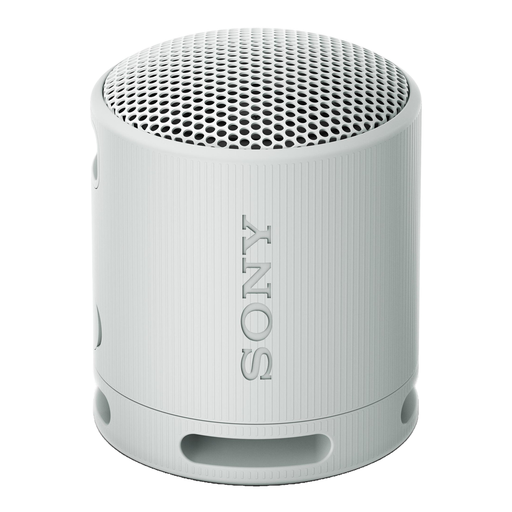
Why it suits this profile: This compact model weighs 274 grams and is easy to take to work, the park or on holiday. According to the product information, it offers up to 16 hours of battery life and Bluetooth 5.3.
Its IP67 rating and carry strap make it better suited to life on the go than a standard computer speaker. Given its small size, don’t expect the volume needed for a big party.
274 grams, 16 hours of battery life, Bluetooth 5.3, USB-C and IP67 water and dust resistance.
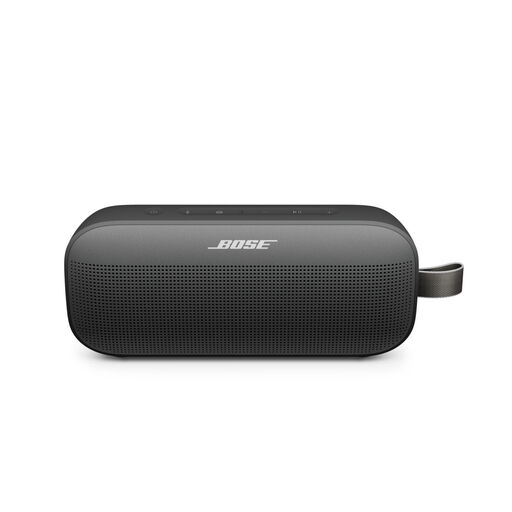
Why it suits this profile: Its compact design, built-in loop and Bose Music app support make it a good fit for anyone who wants portability alongside adjustable sound.
The IP67 rating means a passing shower won’t immediately spell the end for the speaker. According to Bose, PositionIQ adjusts the sound to suit how the speaker is positioned.
Around 590 grams, up to 12 hours of battery life, Bluetooth, USB-C, a microphone, and dust and water resistance.
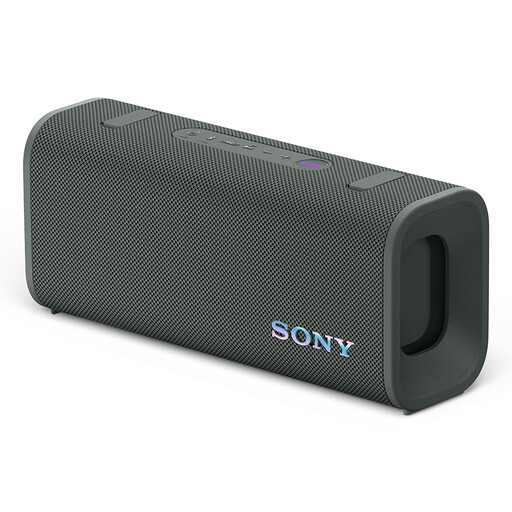
Why it suits this profile: This model is aimed at people who want more volume and bass but still want to take their speaker with them. According to Sony, it offers up to 24 hours of battery life and an ULT bass mode.
The IP67 rating, shoulder strap and stated 24-hour battery life make it practical for outdoor use. Bear in mind that it weighs around 1.2 kilograms.
27 W RMS according to the product information, 24 hours of battery life, a 7-band equaliser, power bank function and speaker pairing.
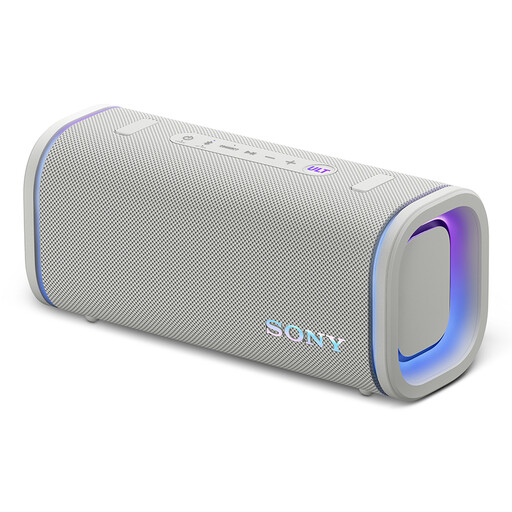
Why it suits this profile: Its larger enclosure, two channels, lighting and stated battery life of up to 25 hours make it well suited to a garden, living room or party.
Its IP67 rating and 3.3-kilogram enclosure are geared towards sturdier outdoor use. This isn’t the model for anyone whose main priority is a lightweight speaker.
Up to 25 hours of battery life, a 10-band equaliser, ULT bass modes, 360-degree lighting and speaker pairing support.
We’ve put together a complete, up-to-date list of products that meet these strict selection criteria and the applicable European safety regulations.
Turn on the speaker and activate pairing mode. Then open the Bluetooth settings on your smartphone and select the speaker’s name. Some models, such as the Sony SRS-XB100, support Fast Pair on compatible devices. The first time you pair, you may be asked to enter a PIN or confirm the connection on screen.
It depends on the volume, bass settings, lighting and temperature. The products in this selection state battery life of around 12 to 25 hours. Treat this as the maximum stated play time and fully charge the speaker before you set off.
An IP67 speaker is classified as dust-tight and able to withstand temporary immersion. That makes it suitable for use in the rain or around the pool, but not for prolonged use underwater. Close the port covers securely, don’t charge a wet speaker, and always follow the manufacturer’s safety instructions.
